Stacie Sutton, founder of Clean & Simple Cleaning in Lynnwood, Washington, has helped busy professionals regain control of their living spaces for over 30 years.
She notes that balancing a demanding work life with energetic pets takes clear plans. In 2020 many people adopted a dog for companionship and then faced the realities of keeping a house tidy.
Establishing a simple daily routine makes tasks manageable and saves time. These expert tips focus on small, consistent actions that keep the home clean without extra stress.
By following structured, realistic steps, readers can spend less time scrubbing the house and more time enjoying life with their beloved pets each day.
The Reality of Maintaining a Clean Apartment with Pets
Living with animals in a tight space changes how a person must care for floors and surfaces. Jessica Britt describes one real challenge: her 10-year-old German Shepherd often drools on hardwood, leaving marks that need prompt attention.
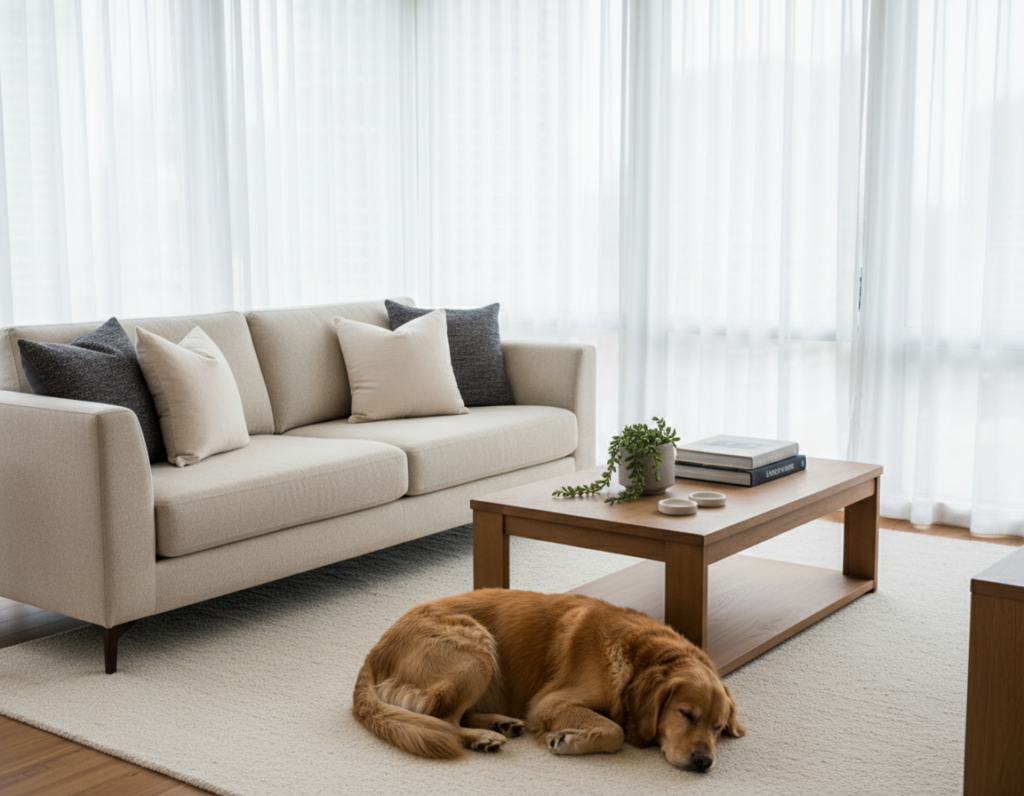
Many pet owners find the floors become the dirtiest part of the house, especially when a cat naps on a rug or a dog tracks mud inside after a walk. Small homes show wear quickly, so regular spot care keeps living areas usable and healthier.
“My dog drools on hardwood and it creates a unique mess that needs focused care,” said Jessica Britt.
- Surfaces like kitchen cabinets and tables often need extra attention compared with a pet-free home.
- Paws and fur mean floors collect more dirt; quick daily checks prevent buildup.
- To keep apartment living pleasant, owners must accept marks and act proactively to protect shared spaces.
For practical tips to keep house clean with dogs, see this guide: keep house clean with dogs.
Establishing an Efficient Pet Cleaning Routine Apartment Owners Can Follow
Busy households with animal companions benefit from short, targeted chores that stop messes before they grow. A clear, repeatable plan saves time and keeps the living space healthy.
Daily Maintenance Tasks
Spend 10–15 minutes each day on quick actions: wipe high-touch surfaces, sweep visible fur from the floor, and rinse food and water bowls with hot water.
Using a vacuum made for hair helps keep indoor air quality higher and captures dander that mops miss.
Weekly Deep Cleaning Sessions
Once a week, vacuum the whole home to remove embedded debris. Focus on areas your animal favors: beds, rugs, and low furniture.
- Wash toys and bedding to reduce odors and germs.
- Mop floors and spot-treat stains promptly.
- Sanitize food dishes with hot water and soap.
Small, steady effort prevents big jobs later and keeps the house comfortable for owners and their dog or cat.
Managing Pet Hair and Shedding Effectively
Controlling shedding does not require hours—just the right tools and a short plan. Small, consistent steps cut how much fur settles on furniture, floors, and clothing.
Tools for Fur Removal
Simple tools make a big difference. Rubber gloves can lift loose fur from upholstery faster than some lint rollers.
- Brush a dog or cat at least once weekly to reduce loose hair at the source.
- Use a high-quality vacuum made for hair to help keep the air in the house cleaner and lower allergens.
- Cover favored furniture with washable blankets if a cat sheds heavily, so fabric does not trap fur.
- Keep lint rollers handy for quick touch-ups on clothing and curtains during peak shedding.
These tips focus on prevention and easy maintenance. They free up time and keep shared areas feeling fresher for everyone in the home.
Strategies for Neutralizing Pet Odors
Removing stubborn smells starts with targeted products and quick action after accidents. An enzyme-based cleaner such as Angry Orange breaks down organic residues on fabric and hard surfaces rather than masking odor.
Improve indoor air quality by adding an air purifier with a HEPA filter. This reduces lingering smells and lowers airborne dander that affects the house environment.
When spills or accidents happen, treat the spot immediately. Prompt work prevents a set-in smell on floors or furniture and makes other measures more effective.
- Wash bedding and fabric items often to keep the home smelling fresh.
- Use plant-based cleaners or sprinkle baking soda on carpets before vacuuming for a healthier house atmosphere.
- Choose enzyme products to attack the source of odors instead of covering them up.
Small, steady steps—proper products, quick action, and better airflow—make maintaining a pleasant living space far easier for people who share their lives with animals.
Protecting Floors and Surfaces from Daily Messes
Simple steps at the door and in high-traffic zones keep floors looking newer, longer. Small habits reduce wear and cut the time needed for upkeep.
Preventing Muddy Paw Prints
Keep an absorbent towel or mat by the entry. Wiping paws right away stops most dirt from spreading across the home.
Trim nails regularly to prevent scratches on hardwood and other sensitive surfaces. Short, blunt nails are less likely to gouge a floor.
- Place washable rugs in high-traffic zones to catch grit and moisture.
- Store a small brush or towel near the door for quick touch-ups.
- Teach a simple pause at the threshold so paws get wiped before crossing into living areas.
Handling Accidental Spills
When accidents occur, blot liquids immediately. Quick action prevents moisture from damaging the subfloor or leaving stains on furniture and rugs.
For tough spots, use a mild cleaner made for the surface and follow label directions. Regular cleaning of upholstery and surfaces removes drool and other marks before they set.
Keep nail clippers on hand and check nails often; trimmed nails reduce the chance of tearing fabrics and creating a bigger mess.
Sanitizing Pet Items and Living Areas
Regularly disinfecting bowls, toys, and bedding cuts risk and keeps living areas healthier. Wash food and water dishes after each meal with hot water and soap when possible. This removes grease and reduces bacteria that cause odor.
Soak a collar in hot water with a few drops of dog shampoo for 20 minutes to lift grime and germs. Rinse well and air dry.
Machine-wash bedding on a warm cycle with mild soap to limit shedding and fur buildup. Clean toys weekly; soft toys may need a wash, while rubber toys can be scrubbed and rinsed.
- Sanitize surfaces: mop floors and wipe high-touch areas so dirt and microbes do not linger.
- Keep a schedule: regular care of items and surfaces improves indoor air quality and reduces persistent odors.
- Focus on hotspots: beds, food zones, and favorite resting spots get the most debris and should be cleaned first.
Small, steady steps—targeted washing and surface disinfection—cut mess and help the whole home feel fresher, safer, and more comfortable.
Creating a Pet-Proof Environment to Minimize Cleanup
Few changes to layout and storage cut mess and save time. A tidy setup reduces how often owners must handle hair, fur, or accidents.
Securing Food and Trash
Store food in airtight containers to prevent spills and limit odors. Use trash cans with locking lids so a curious dog cannot scatter scraps and create a bigger mess.
Organizing Pet Supplies
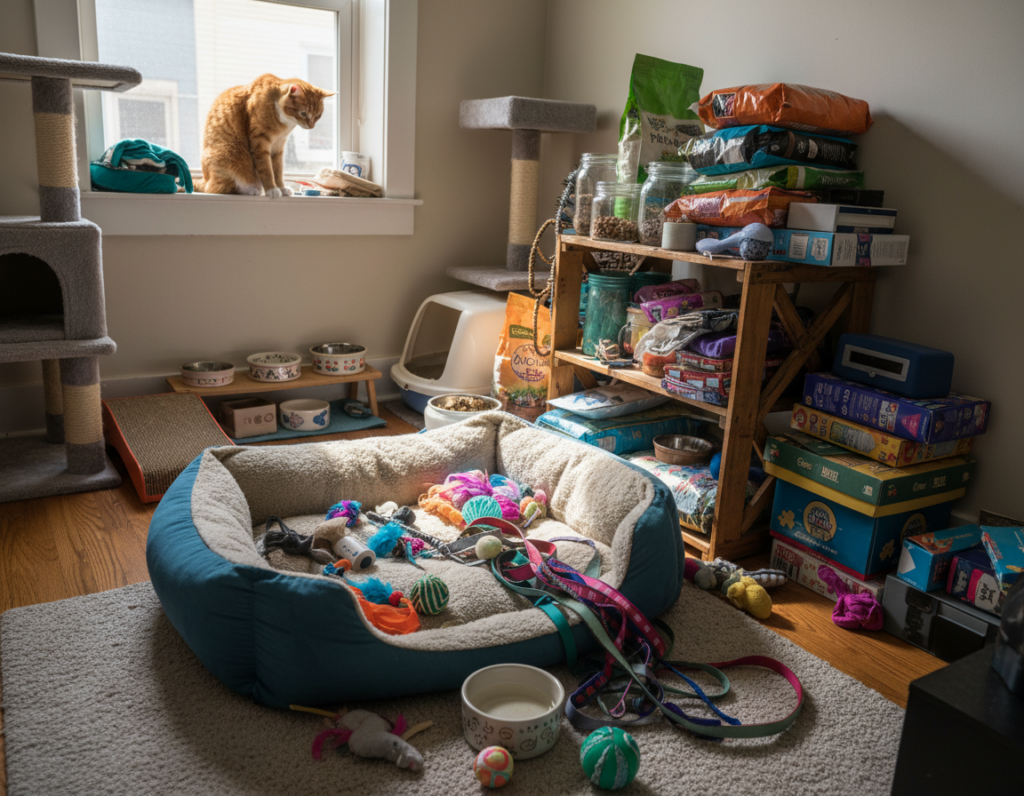
Keep toys, leashes, and bowls in labeled bins near the door or a utility closet. This saves time and keeps living spaces neat when work days are long.
Restricting Access to Rooms
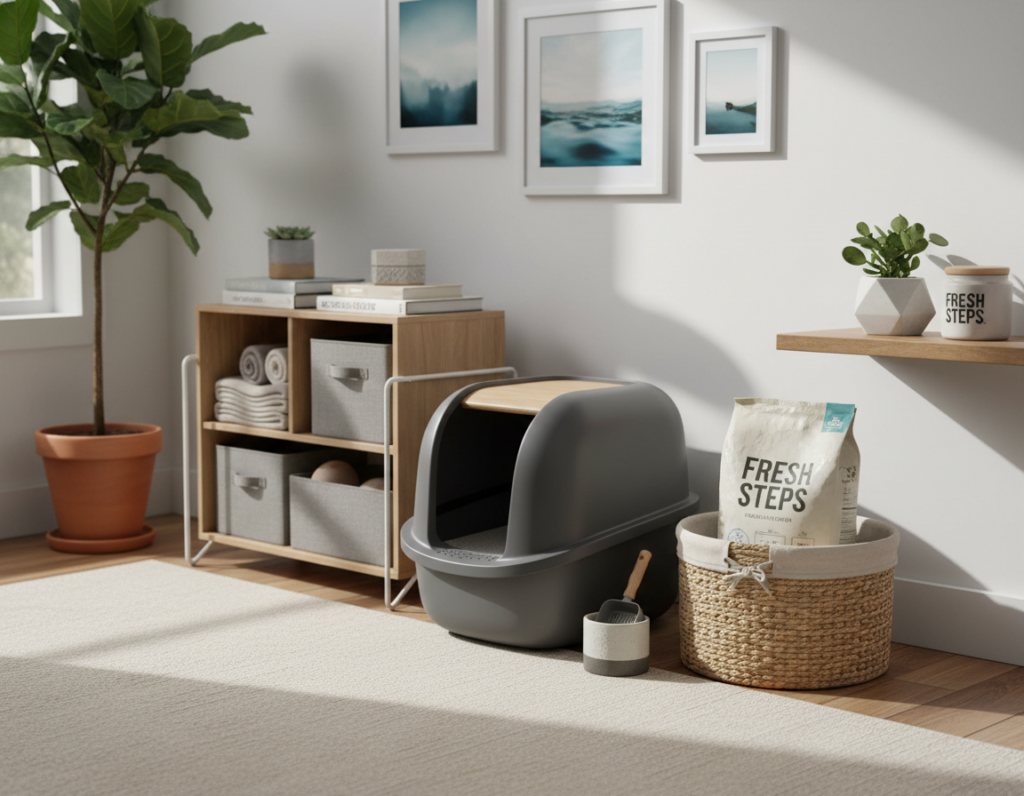
Use baby gates or doors to confine shedding to specific areas. For a cat, place a mat by the litter box to control tracked litter each day.
- Prepare for accidents: have wipes and water-ready cleaners in one spot for quick response.
- Designate zones: limit toys and bedding to a few low-traffic areas to contain hair and odors.
- Consistent placement: storing supplies the same way reduces time spent searching and managing mess.
Conclusion
With simple strategies, maintaining a healthy living area becomes a manageable part of daily life.
Small, consistent actions cut the time spent on chores and keep a clean home that feels welcoming. These tips focus on prevention, targeted tools, and quick responses to spills or odors.
Consistency matters: short tasks done often prevent bigger jobs later and protect surfaces, fabrics, and air quality.
Whether in a large house or a smaller space, these approaches help people regain control of their space. The joy and companionship pets bring make the effort to keep a home clean well worth it.