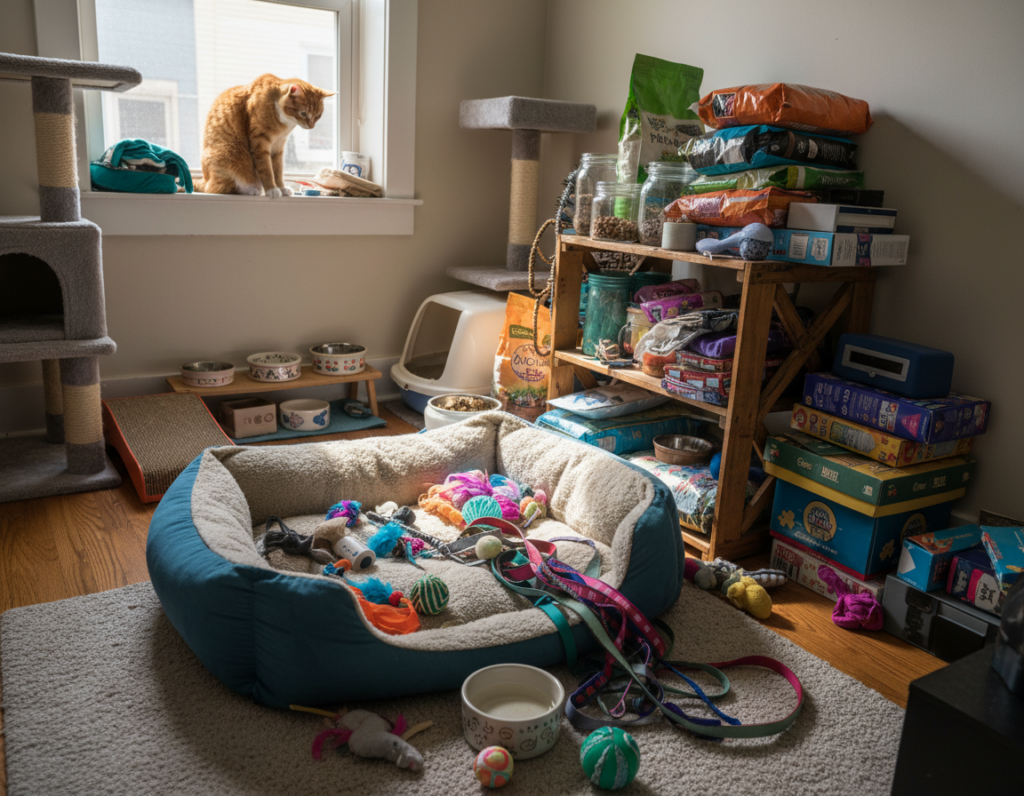
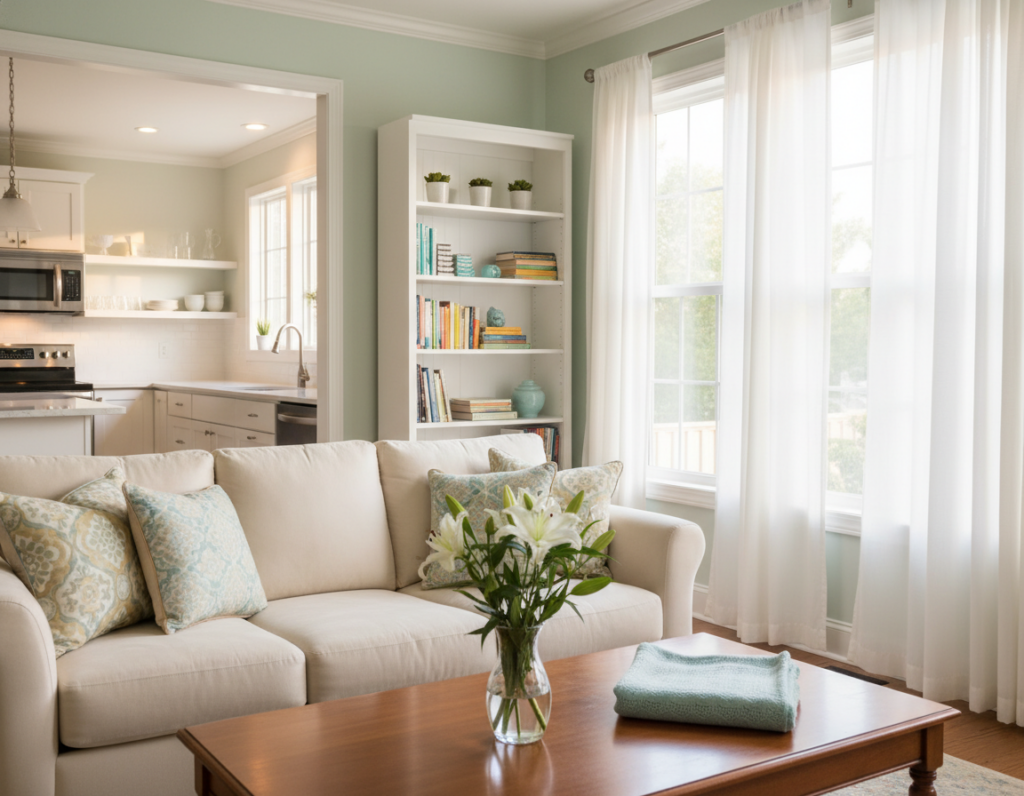
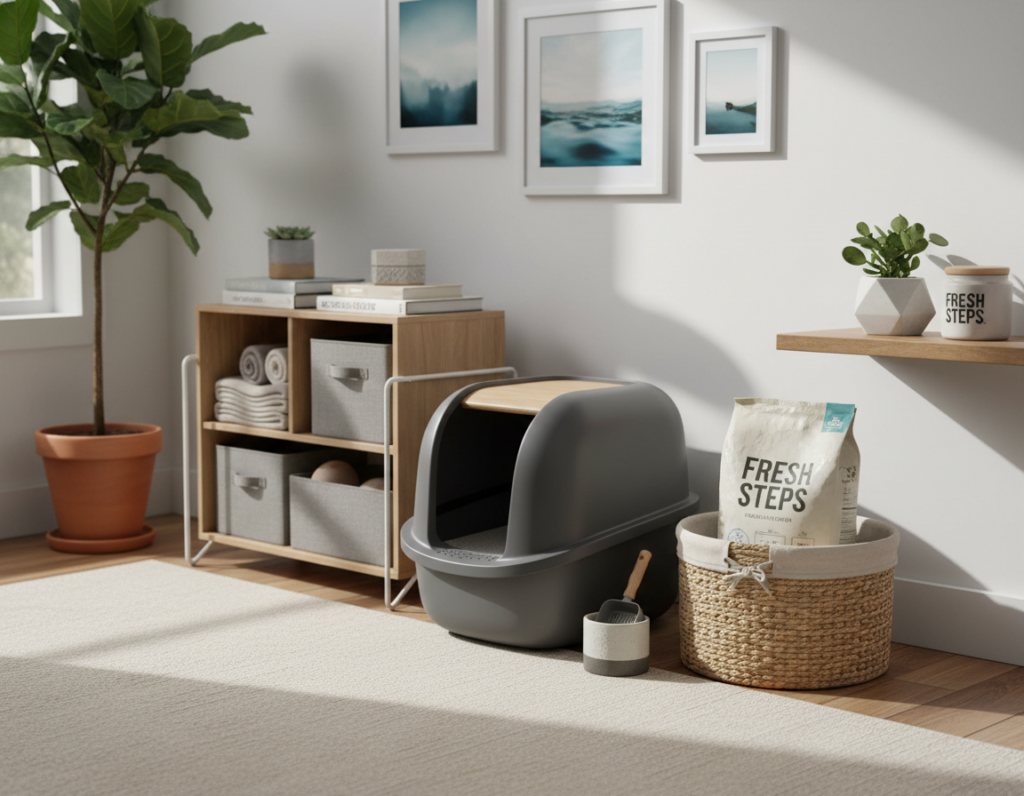
Designer Robin Henry shows how a design-first approach can make a small space feel intentional and refined rather than cluttered by animal gear.
He argues that today’s chicest homes treat pet accessories as part of the overall vision. By viewing gear as intentional art, owners can pair quality pieces with heritage furniture and keep the living area calm and cohesive.
Simple tips help avoid clunky plastic crates and overused paw motifs that cheapen an interior. Choosing durable materials and thoughtful finishes keeps gear functional and stylish for years.
When owners respect both style and comfort, a home can welcome furry family members while still feeling like a curated living space. The result is a warm, sophisticated home that is ready for any guest.
Adopting a Design-First Mindset
When owners elevate a dog’s bed or cat perch to the level of regular furniture, the space reads as thoughtful and complete. Designer Robin Henry found success by choosing finishes that matched her clients’ antique wood and heritage pieces.
Think of pet gear as miniature furniture. Select clean lines and a neutral palette so a bed echoes the living room’s style rather than shouting for attention.
That approach keeps a home cohesive and makes high-quality pieces last longer. It also reduces the urge to rely on novelty paw prints that can cheapen a room’s overall style.
- Match finishes to existing furniture for visual harmony.
- Prioritize durable materials that age well.
- Choose scale and proportion to sit comfortably beside a console table.
“Treat accessories as part of the collection,” Robin Henry advises. This way of thinking turns temporary clutter into curated pieces.
Conducting a Home Audit for Pet Needs
Before buying a single basket or rug, the practical step is to observe how the animal moves through the home. A short audit reveals favorite nap spots, running lines, and accidental mess zones.
Identifying Hot Zones
Walk each room slowly and note three hot zones: where the animal runs, where it rests, and where it creates a mess. Mark these areas on a simple floor sketch.
Mapping Traffic Patterns
Mapping traffic patterns helps place functional pieces with intention. For example, locating a cat litter box in a discreet corner reduces disruption to daily flow.
- Run zone: keep pathways clear and durable underfoot.
- Rest zone: choose a show zone per room to keep tidy.
- Mess zone: position the food area so the whole family can stay organized.
Tip: Use a quick diagnostic table to record how your animals use each area. This reveals whether your current pet corner serves both the animal and the household.
Small audits prevent big mistakes: one short walk can save hours and make the space work for everyone.
How to Blend Pet Items Into Decor Seamlessly
Selecting case-like furniture transforms necessary gear into cohesive elements of a room. Choose a crate that doubles as a credenza or a side table so the piece reads like regular furniture.
Many brands now apply the same design ethos to bowls, beds, and toys as they do to human goods. Look for water bowls that sit on low tables and litter box enclosures that resemble planters to keep a living area tidy.
Aim for dual functionality. A leather or wood bed becomes a furniture piece that complements the home’s palette. This approach keeps the room intentional and reduces visual clutter.
- Shop retailers like Wayfair or Anthropologie for products that match existing furniture.
- Pick finishes that echo your room’s wood tones or metals.
- Choose accessories with practical form so bowls and beds feel like designed pieces.
“Treat gear as part of the collection,” and it will service both the animal and the household with quiet style.
Selecting a Consistent Style Lane
Picking one visual direction turns mismatched accessories into a composed collection that supports the room’s mood.
Decide on a lane: subtle, classic, or playful. Each choice guides purchases and keeps the space looking curated rather than cluttered.
Maximalists can embrace technicolor pieces to echo a bold wall and existing furniture. Minimalists should favor warm taupes and creamy ivories that do not compete with a room’s architecture.
Limit animal imagery to one or two pieces per room. This keeps the look sophisticated and prevents an overly themed feel.
- Match accessories to metals and woods for a timeless finish.
- Build a palette from a cat or dog’s fur tones to repeat in pillows and one statement art piece.
- Choose durable pieces that read like regular design elements.
Consistency in style prevents random gear from overwhelming a space and lets pet gear feel like part of the home.
Choosing Quality Materials for Durability
Durable choices in textiles and finishes make daily life easier and keep a room looking deliberate. Selecting the right materials protects investment pieces and keeps the home tidy without constant upkeep.
Upholstery Choices
When choosing upholstery, prioritize microfiber or leather. These surfaces resist fur buildup and wipe clean far easier than linen.
Check the rub count on fabrics. Higher numbers mean longer wear for beds, sofas, and other seating.
Rug Selection
Choose low-pile or washable rugs that hide paw marks and vacuum simply. Avoid high-pile shag that traps fur and debris.
Faux-fur accents can add glam to a bed without feeling kitschy, so long as the material is well made.
Paint Finishes
Use wipeable paint in high-traffic zones near a cat litter corner or dog feeding station. Semi-gloss or satin holds up to cleaning better than flat finishes.
- Swap plastic feeding stations for wood or powder-coated metal bowls that age well.
- Pick tighter weaves for furniture surfaces to limit fur and snagging.
- Prioritize durable materials on key pieces to extend their life.
“Invest in surfaces that work as hard as you do,” a designer tip that keeps functional products feeling like intentional choices.
Strategic Placement of Pet Gear
Treat each accessory location as a design decision; where you place gear matters as much as the piece itself.
Frame a pet corner with cushions in an alcove or use a shallow niche so the area reads intentional. Layering textiles and a small rug creates a vignette that matches other furniture and keeps the floor tidy.
Even a playful, front-and-center cat tree—think Carrie Bradshaw—works when chosen for style and scale. Buying with that intention stops gear from feeling accidental.
A well-placed dog bed tucked into a quiet part of the living room can feel like a piece of the layout rather than clutter. Give bowls and crates a designated wall or shelf so everything has its way and place.
- Designate zones: kitchen, living room, or a dedicated corner.
- Frame the space: treat it with the same care as other furniture.
- Know the process: plan first, then shop, so gear fits the home.
Strategic placement lets pets and people share a stylish, functional home.
Integrating Pet Needs Into Home Architecture
Architectural touches can hide everyday care tasks and keep a home feeling orderly and intentional.
Custom built-ins make daily life simpler. Hidden pull-out drawers for food and water keep bowls tucked away when not in use. A single cabinet can store food supplies and cleaning tools for quick access.
Custom Built-in Features
Designers often add toy storage within wood cabinetry so storage feels seamless with other furniture. A discreet litter box enclosure keeps litter and box maintenance out of sight and reduces odors for the whole family.
Smart doors that open only with a collar sensor let a cat or dog move freely without compromising security. In mudrooms, a low dog wash station makes baths fast and mess-free.
“These choices let architecture carry function,” a designer note that turns care routines into calm, stylish solutions.
- Pull-out food and water drawers for quick service.
- Cabinet toy storage that matches wood finishes.
- Built-in litter box enclosures for discreet care.
Result: thoughtfully planned features keep gear hidden and make the home feel custom-tailored while preserving clean lines and good design.
Elevating the Entryway and Mudroom
A thoughtful mudroom turns muddy paws and leashes into a visual feature that supports the home’s style.
Start with a clear landing zone at the entry. Add wall hooks for leashes and a wipeable tray for muddy dog paws. This simple setup keeps clutter off the floor and makes gear easy to grab on the way out.
Designer Sherry Hart took the idea further with a nearly seamless doggie door built into a glass door. The result reads like architecture, not an afterthought.
Keep it curated: hang a framed pet portrait above the hooks to make the area feel like an intentional vignette. A neat mudroom keeps gear accessible but out of sight, which protects the rest of the home decor.
“A designated landing zone prevents clutter from migrating into the main living space.”
- Create a wipeable cleaning station for paws.
- Use hooks and closed storage to hide supplies.
- Designate one small zone for your dog to keep the entryroom tidy.
Styling the Living Room for Pets and People
Simple systems for storage and textiles keep fur and toys from overtaking a shared living area. A few design moves make the living room feel tidy and intentional while still being welcoming.
Managing Fur and Toys
Keep playthings contained with a lidded basket or a small cabinet. This keeps the floor clear and the room ready for guests.
- Quick tip: tuck a lint tool in a side-table basket for fast touch-ups on leather or fabric furniture.
- Coordinate bed palette and living room tones so beds read as part of the room, not clutter.
- Use closed storage for bowls, litter supplies, and small gear to hide daily clutter.
Selecting Washable Textiles
Choose washable linen or tight-weave performance fabrics for sofas and throws. Layer a washable throw in a matching tone to trap fur and protect surfaces.
Bold patterned Ruggable dog beds by Jonathan Adler offer a maximalist option that adds personality without sacrificing the room’s style. For inspiration on a neutral approach, see a neutral pet-friendly living room.
Design note: washable textiles and smart storage make daily care feel seamless and keep the home looking polished.
Creating a Functional Kitchen Feeding Station
A dedicated food corner makes mealtime smoother and keeps the rest of the room uncluttered.
Start by placing your dog or cat bowls on a matching tray. A tray contains spills and creates a neat base that reads like furniture rather than clutter.
Store pet food in a sealed container inside a cabinet so the kitchen remains clean and smells fresh. Keep water bowls tucked beside the tray, not in busy walkways.
Add a small washable runner that echoes cabinet color to define the feeding station. Use a wipeable mat under the bowls to protect floors and speed cleanup.
- Avoid placing bowls in high-traffic hallways to prevent spills.
- Choose minimalist products that complement your kitchen palette.
- Keep litter supplies and extras in closed storage nearby for quick access.
“A functional feeding station is one where you are not tripping over stray bowls,” a simple measure that makes the whole home more inviting.
Designing a Calm Pet Corner in the Bedroom
A considered corner in the bedroom keeps a pet comfortable while preserving the room’s serene style.
Choose a low bed that matches your bedding tones and existing palette. When the bed shares similar linen or wood, the corner reads as part of the room rather than an add-on.
If the animal sleeps on the main bed, use a washable duvet cover and keep a lint tool in the nightstand for quick touch-ups. This small habit keeps the sleeping area ready for guests without fuss.
Opt for beds or bases in the same material family—neutral linen, warm wood, or durable leather—so the piece complements a nearby wall vignette. A tiny framed portrait on a shelf adds a polished, personal touch.
- Match scale and tones to existing furniture.
- Pick washable covers for easy upkeep.
- Place the corner near a quiet wall to enhance security for a cat or dog.
“A bedroom corner that follows the room’s design helps both people and animals sleep better.”
Incorporating Pet-Safe Plants and Greenery
Adding greenery is one of the simplest ways to make a home feel polished and alive.
Many common houseplants can cause anything from mild stomach upset to serious poisoning. Always check the ASPCA list before bringing a plant into the house.
Choose safe species that suit a room’s light and scale. The Parlor Palm and Boston Fern offer lush texture without common toxins. A Phalaenopsis Orchid is a clean, modern choice when placed high on a shelf out of reach.
- Verify safety first with the ASPCA list; avoid lilies around a cat.
- If an animal chews plants, place greenery out of reach or skip live options.
- Pick durable potting materials and a stable stand to prevent spills.
“Greenery completes a space when safety and style move together.”
When selected thoughtfully, plants add life to your decor and keep the household safe for both people and pets.
Using Pet Portraits as Statement Art
A single, well-executed portrait can anchor a living room the way a sofa or rug does. It gives the space a warm, human presence and marks the animal as part of the family.
Hang the work so its center sits near 57 inches from the floor. This simple guideline ensures the piece reads at eye level and feels natural on the main wall.
Choose frames and finishes that match existing pieces. Wood frames pair especially well with heritage furniture and unify the room’s palette.
A gallery wall that includes a portrait turns a blank surface into a story. Rotating photographs and small sculptures over time creates a living wall that honors daily life rather than staged styling.
- Treat a portrait as a centerpiece, not a novelty.
- Avoid tiny frames on oversized walls; scale matters.
- Let the collection evolve so the wall reflects family moments.
“When an animal is shown as art, the room reads as lived-in and considered.”
By treating your pet as the art, owners sidestep kitsch and create a sophisticated way to celebrate a companion within refined home decor.
Implementing Smart Storage Solutions
Smart storage turns scattered gear into a tidy vignette that reads like curated furniture.
Group feeding bowls, grooming tools, and toys into matching lidded baskets or cabinet bins so the space feels intentional rather than messy. Use a sealed container in a kitchen cabinet for food and treats to cut visual clutter and control odors.
Wall hooks and a small tray at the entry keep leashes and harnesses ready for a walk. Keep grooming tools in a small container inside a closed drawer to preserve a neat bathroom or linen closet.
Designer examples matter: the Tucker Murphy Pet Eckroad Furniture Style cat litter box enclosure—currently 62% off—shows how a discreet box can hide care zones while supporting the room’s overall palette.
- Group accessories in closed bins so pieces read as design, not clutter.
- Store food in sealed containers and keep brands and extras out of sight.
- Even luxury goods, like a Hermès Patapouf dog bed, work when matched to your room’s taste.
Result: accessible products stay usable, and the home remains calm, clean, and considered.
Maintaining a Clean and Stylish Environment
A simple reset ritual maintains both style and function in shared spaces. Small, daily actions keep a room looking curated while supporting everyday family life.
The Daily Reset Routine
Five minutes each day makes a big difference. Pick up toys, clear bowls, and run a quick vacuum over hot zones so the space reads as intentional rather than messy.
Keep a small reset basket in the show zone with a lint tool and surface wipes. This makes it easy to tidy for guests and protect key surfaces.
- Weekly: wash throws and bed covers to remove odors that live in textiles.
- Monthly: deep clean the litter box enclosure and sofa cushions to extend the life of major pieces.
- Daily: wipe the bowl area and spot-clean paw marks near the entry to prevent stains.
Good upkeep is about rhythm, not perfection. A consistent routine preserves room functionality and keeps that polished look while honoring comfort for both people and their pets.
Tip: small rituals protect style and make storage and corners simpler to manage.
Conclusion
Design choices matter as much as daily care. When a space follows clear rules for scale, finish, and placement, the whole home feels calm and purposeful.
Choose durable materials and put gear where it works best. This keeps routine tasks simple and supports a curated look that welcomes everyone.
Consistency in a style lane ties functional pieces to the room. A single thoughtful accent will carry a larger scheme and improve overall decor.
Keep a short daily reset and select practical, well-made solutions. The result is a comfortable life where every family member, including your pet, feels truly at home.