Many owners underestimate how much daily activity pets require. The Editorial Team noted in January 2026 that people often assume an apartment pet needs less exercise than others. This leads to restless behavior and stress for animals.
The solution is simple: prioritize regular walks and active play. Routine helps meet physical and mental needs even in confined spaces. Provide toys and enrichment and schedule short, energetic sessions each day.
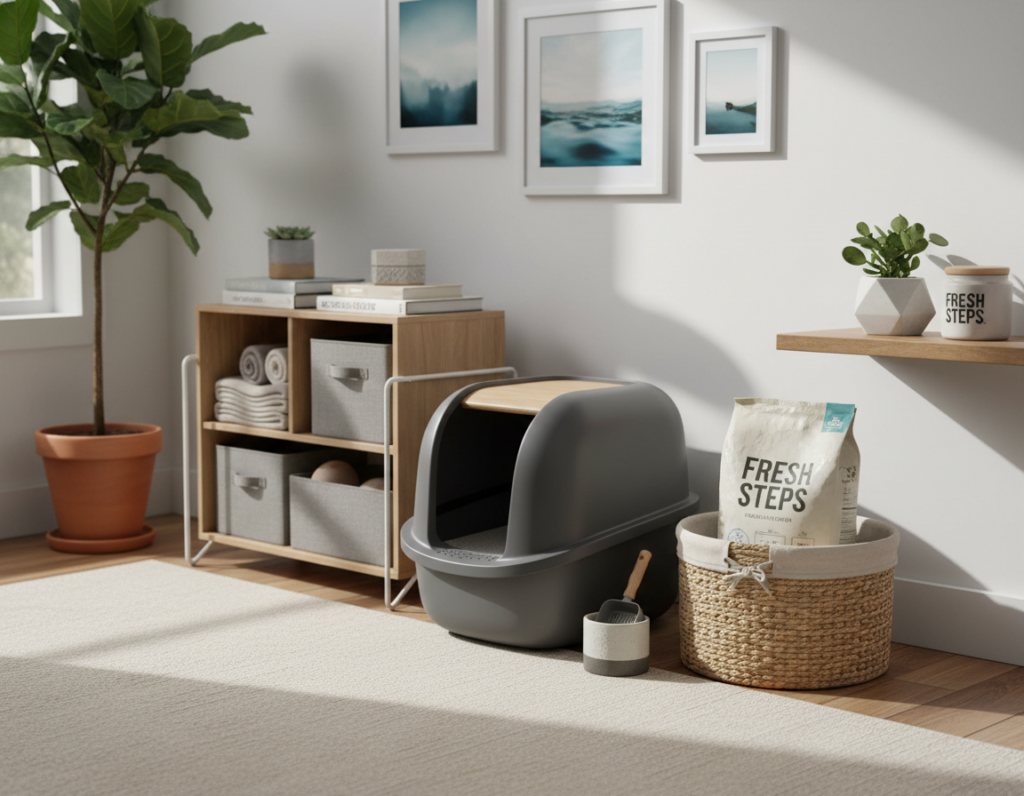
Clutter and poor planning make it harder to keep supplies handy and consistent. A central spot for gear and labeled storage reduces chaos. For practical setup tips, see setting up a pet hub.
- Prioritize walks and play to meet exercise needs.
- Use clear storage and a routine to prevent anxiety.
Understanding Small Apartment Pet Mistakes
Successful urban animal care starts with recognizing common setup errors that stress both owners and companions. Owners who plan ahead reduce conflicts and improve daily life.
Effective apartment living demands a proactive approach. Recognizing building rules, noise limits, and exercise needs is the first step.
Practical tips from experts show that those who adjust expectations for their living pets achieve better outcomes.
“The most harmonious households are those that accept spatial limits and build routines around them.”
Simple steps—designating a gear zone, scheduling walks, and using vertical solutions—help keep supplies organized and animals calm.
- Respect building policies to avoid conflicts with neighbors.
- Choose routines that match the animal’s energy and the home’s layout.
- Research training and services to supplement daily care.
Selecting the Right Pet for Limited Square Footage
Choosing a companion for constrained living begins with honest needs assessment. Owners should weigh daily energy, grooming, and space requirements before deciding.
Breed Considerations
Breed traits influence behavior and adaptability. The Bichon Frise is often recommended because of its manageable temperament and ideal size for many apartments.
Research breeds and ask breeders or rescue staff about activity levels and noise tendencies. This helps prevent mismatches that lead to stress or destructive behavior.
Size Limitations
Measure living areas and compare them to a pet’s needs. While many favor larger dogs, smaller breeds and calm cats usually fit constraints more easily.
- Make sure the chosen animal’s exercise needs suit available space.
- Check building rules for allowed breeds and maximum size limits.
- Follow expert tips to avoid behavior issues from a poor breed-to-home fit.
The Importance of Establishing a Consistent Routine
A steady daily plan helps animals know what to expect and lowers stress. A clear routine supports biological rhythms and keeps behavior predictable.
For puppies especially, timing matters. As a general rule, they can hold their bladder about one hour per month of age. This makes a strict bathroom schedule essential.
Owners should set regular times for feeding, walks, and exercise. Predictable feeding and outing windows reduce accidents and anxiety.
- Keep a consistent schedule for meals and bathroom breaks.
- Reserve daily time for training and interaction to build good habits.
- Plan short, frequent walks and play to meet energy needs.
When routines are steady, pets adapt faster and sleep better. This approach helps owners manage care in tight living and keeps companions healthy and calm.
Mastering Vertical Space for Feline Companions
Using vertical surfaces turns tight living into a dynamic playground for cats. Elevated routes let them explore, rest, and watch without needing extra floor area.
Installing Shelves and Perches
Start by selecting sturdy wall shelves and a stable cat tree. Position at different heights so a cat can climb, leap, and reach high-up toys.
Design at least three distinct vertical areas. One can be a low perch, one mid-level landing, and one high lookout near a window.
- Benefit: Vertical zones expand a cat’s perceived territory and reduce floor crowding.
- Safety: Anchor shelves securely and leave clear landing paths between levels.
- Engagement: Add dangling toys and soft bedding to encourage use.
By using walls and corners, owners increase usable space while keeping the floor clear. Proper vertical design keeps pets active and calm, which supports responsible indoor care.
Essential Pet Proofing Strategies for Compact Living
Start by scanning every room for reachable hazards before a new companion explores the space. These safety tips help prevent common incidents in tight layouts.
Secure loose electrical wires and route them behind furniture or in cord covers. Make sure that all cabinets are latched so curious noses cannot reach cleaning supplies or medications. Keep small toys and loose items up high to avoid choking risks.
Remove any toxic plants and loose objects that an animal might chew on. Regular inspections of the home spot new hazards early, especially as routines or furnishings change.
Implement protective measures early to create peace of mind while pets adapt. Simple steps—cord covers, cabinet latches, and a quick daily scan—go a long way in compact living.
- Secure wires and outlets.
- Latch cabinets and store hazardous items.
- Remove toxic plants and small choking hazards.
Managing Noise Levels to Maintain Neighbor Harmony
Proactive noise management helps keep both companions and neighbors comfortable in a shared building. This is vital when a dog, birds, or other noisy animals live in an apartment. Quiet homes start with predictable habits and clear communication.
Training Techniques
Consistent training reduces excessive barking and other disruptive sounds. Use short, frequent sessions to teach a reliable “quiet” cue.
Increase daily activity by taking long walks and adding play before leaving. This lowers anxiety that leads to vocalizing.
For persistent issues, consult a certified trainer or behaviorist early. Addressing the cause prevents complaints and keeps pets welcome.
Soundproofing Basics
Simple room treatments absorb sound. Place rugs, heavy curtains, and bookshelves to dampen echoes.
White noise machines or a low-volume fan can mask sporadic noise and help neighbors sleep. Seal gaps around doors to cut transmission.
“Good neighbors notice and appreciate thoughtful, consistent efforts to reduce noise.”
- Communicate with neighbors about schedules and solutions.
- Train to reduce barking and reinforce quiet behavior.
- Soundproof common areas to limit disturbance.
Navigating Common Area Etiquette
Good manners in shared areas protect neighbors and preserve building harmony. In an apartment setting, residents should make clear choices that keep public spaces safe and pleasant for everyone.
Keep animals leashed when in hallways, lobbies, or elevators. This prevents surprises and helps neighbors feel secure. Always clean up immediately after pets to avoid conflict and health issues.
Respect building rules for common areas. Many buildings post policies about where animals may go and when. Following those rules strengthens relationships with management and other residents.
- Ensure animals do not jump on people or block walkways.
- Pick up waste without delay to reduce friction with others.
- Follow posted policies to maintain a positive community rapport.
Being considerate shows responsibility. When residents act thoughtfully in shared areas, they protect neighbors, support building rules, and keep communal areas welcoming for all.
Implementing Effective Cleaning Protocols
Treating accidents immediately is the most reliable way to stop odors from returning. A clear cleaning routine protects fabrics, floors, and a rental deposit. It also keeps living spaces healthy for everyone.
Enzymatic Cleaners
Enzymatic cleaners break down organic stains and are the only products that fully remove odors from animal accidents in tight living areas. Use them on carpets, bedding, and upholstery. Follow label instructions and allow dwell time for best results.
Daily Maintenance
Do short daily tasks to prevent buildup. Wipe floors, sweep hair, and spot-treat spills. Empty litter boxes and wash sleeping surfaces often so cats stay comfortable and healthy.
Odor Control
Combine proper cleaning with ventilation and washable covers. Good training reduces accidents, but owners should always keep enzymatic cleaner and towels within reach.
- Quick tip: Treat stains immediately to avoid lingering odors.
- Routine: Daily upkeep prevents overwhelming messes and protects the deposit.
- Supplies: Keep enzyme-based cleaner, gloves, and odor absorbers on hand.
Addressing Separation Anxiety in Small Environments
A thoughtful exit routine helps reduce stress and teaches an animal that absences are temporary.
Start by observing the pet closely. Confined space can amplify distress when an owner leaves. Early detection of pacing, whining, or destructive activity prevents escalation.
Spend the first few days at home with a new dog to build trust. Short, calm interactions and predictable cues set clear expectations. This foundation makes later absences less fraught.
Provide calming treats and interactive toys to occupy pets during alone hours. Rotate items so they stay novel. These aids reduce repetitive, anxious behavior and keep the environment peaceful.
- Recognize signs: excessive vocalizing, chewing, or toileting indoors.
- Practice departures: leave for short intervals and slowly increase time away.
- Create safety: soft bedding, a familiar scent, and a secure zone for rest.
With steady routines and thoughtful support, a pet learns confidence at home and long‑term behavior problems often fade.
Utilizing Professional Services for Exercise Needs
When time is tight, hiring trained caregivers keeps a dog active and engaged. Professional walkers and daycare fill gaps in a busy schedule and help maintain a steady routine.
Aim for at least two long walks per day to meet basic exercise needs and reduce boredom-driven behavior. If owners work long hours, a scheduled midday visit from a walker restores energy and relieves stress.
Daycare centers offer structured play and supervised socialization. They let pets run freely in a safe setting and return home calm. This is especially useful in an apartment where indoor space is limited.
- Benefit: Reliable outings keep dogs healthy and support long-term life quality.
- Practical: Hire vetted professionals and confirm insurance and references.
- Tip: Combine daily walks with daycare for variety and consistent stimulation.
Investing in these services is a proactive step. It keeps pets active, prevents destructive habits, and supports a balanced routine even with a demanding schedule.
Handling Pet Policies and Lease Agreements
Lease language often decides whether an animal can live in a rental, so reading every clause matters. Tenants should scan rules that limit the number, size, and allowed breeds before committing.
Landlords may forbid certain animals, such as large dogs or exotic birds, to reduce wear and noise or liability. Confirm any breed lists and weight caps in writing.
If a dog is prone to excessive barking, that behavior can breach quiet‑use clauses. Have a plan for training or mitigation to avoid complaints.
Cleaning expectations are common. Note obligations for odor removal, stain repair, and professional cleaning at move‑out to protect the deposit.
- Review lease clauses for limits on number and breeds.
- Discuss an animal slightly over weight limits with management in advance.
- Document any landlord concessions in writing to prevent disputes.
- Plan training and cleaning strategies to address behavior and upkeep.
Creating Dedicated Zones for Feeding and Sleeping
Setting aside distinct zones for meals and sleep creates a calm, predictable environment. It gives animals clear boundaries and helps them relax in a limited living area.
Consistency matters. Owners should make sure feeding and resting spots stay in the same place so companions learn a reliable routine.
Place a bed and a few favorite toys in a quiet corner where the animal can retreat from daily activity. This reduces stress and keeps belongings organized.
For cats, keep food and water separate from the litter box to maintain hygiene and encourage regular feeding behavior.
- Tip: Use washable bedding and compact bowls to save space and simplify cleaning.
- Tip: Position zones away from high-traffic doorways and appliances to reduce noise and interruptions.
- Tip: Label storage for toys and feeding supplies to cut clutter and speed daily routines.
Conclusion
Consistent care, clear communication, and daily upkeep form the foundation of harmonious building life.
Successful apartment living with pets relies on a steady routine, prompt cleaning, and respect for neighbors. They should treat common areas with care and address noise and odors the moment they appear.
Owners who act quickly on accidents and messes protect their home and their community. Proactive communication with building staff and neighbors makes coexistence easier.
With thoughtful planning and commitment to cleaning and routine, residents can enjoy the benefits of companions while keeping apartments peaceful and welcoming for everyone.