This guide was first published in May 2024 and updated in November 2025. It shows how simple neutral choices can reduce visible shedding and keep a home tidy with less effort.
Design is more than looks. It affects how dogs and cats interact with a room, how humans perceive shade, and how long cleaning takes.
Choosing the right colors and shades helps match furniture to a pet’s fur. This saves time and supports long-term health and comfort for every animal in the house.
By thinking about how dogs see the world and the role of light, a family can create a safe, durable space. Thoughtful materials and smart color choices improve behavior and make the home feel calm.
Understanding How Pets Perceive Color
Animal vision emphasizes contrast and motion more than the full spectrum humans expect. This difference shapes how dogs interact with furniture, toys, and rooms. Knowing that helps designers pick shades that reduce visual clutter and support calm behaviors.
The Science of Dichromatic Vision
Research by Jay Neitz in 1989 overturned the old myth that dogs only see in black and white. Dogs are dichromats: they have two cone types and mainly detect blue and yellow hues.
Humans have three cones, so color vision feels richer to people. Many greens and complex hues look brownish or grayish to a dog.
- Dogs rely on blue-yellow contrasts more than red-green differences.
- Veterinary ophthalmologist Paul Miller notes dogs have more rods, aiding motion detection.
- Understanding how dogs see helps owners choose decor and toys that stand out to animals.
How Light Affects Animal Behavior
The tapetum lucidum, a mirror-like layer in many dogs’ eyes, reflects light. It allows vision in dim conditions—up to six times better than humans—so dogs navigate low-light settings with less trouble.
“Pets are not color-blind; they experience a different, vivid reality shaped by eye structure and light.”
Knowing these facts guides practical choices. For more on what dogs see, consult this reliable reference: what dogs see.
The Best Colors for Pet Owners to Hide Fur
Well-chosen hues reduce the contrast between fur and furniture, so rooms look cleaner longer.
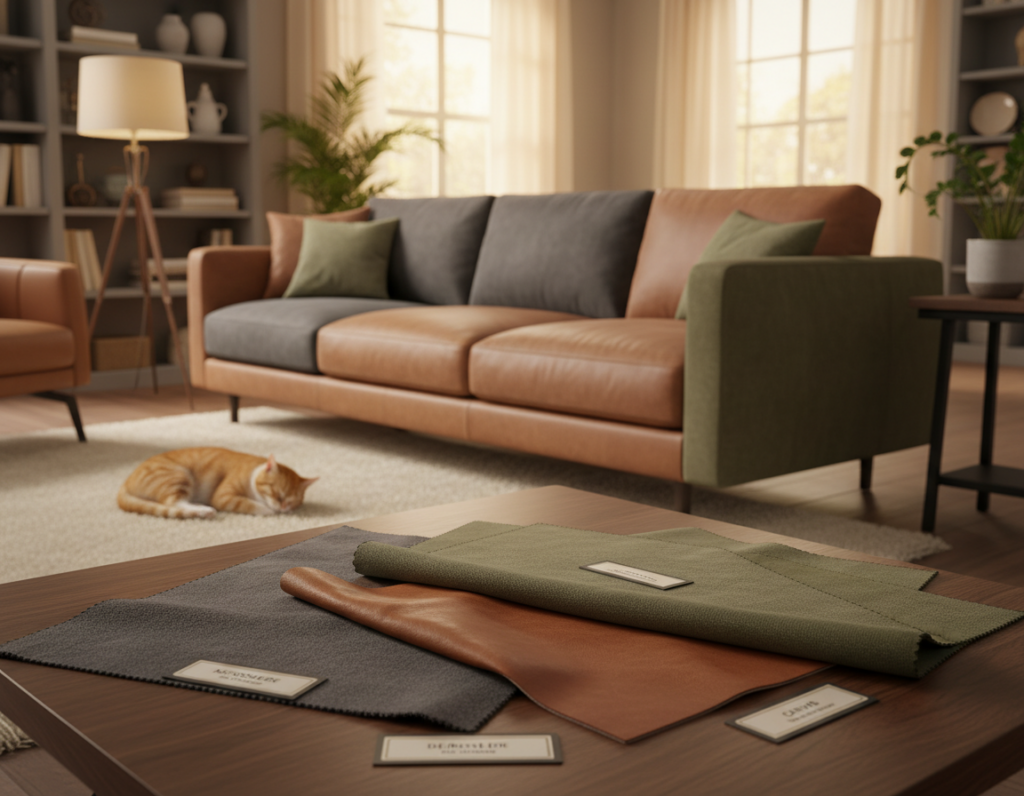
Match tone to coat. Lighter browns pair nicely with pink, yellow, or soft orange, while deeper browns work with navy or forest green. These combinations make shedding less obvious and cut visual clutter.
Designers who consider how dogs see the world know that blue yellow contrasts stand out. Clients who learn about a dog’s color vision pick accents and toys that engage animals without creating stark contrasts in the room.
“When furniture echoes an animal’s coat, daily maintenance becomes simpler.”
- Neutral shades help hide hair and simplify cleaning.
- Calming tones suit laid-back dogs; brighter accents engage active animals.
- Choose toys and textiles that fit the visible spectrum of your pets to boost play and lower stress.
These choices make a home both practical and pleasing to humans and animals alike.
Applying Dopamine Decor to Pet-Friendly Spaces
Vibrant hues can lift a home’s mood while still meeting practical needs for dogs and cats. Thoughtful planning ensures lively rooms do not compromise safety or daily upkeep.
Color Drenching for Modern Interiors
Color drenching means wrapping a room in a single palette to create an immersive, calming effect for both humans and animals.
Use non-toxic products from ECOS Paints or RMP Finishes to protect pet health during and after application. These brands reduce fumes and let a family enjoy saturated walls safely.
- Maximize natural light to make play areas engaging and to help dogs and cats feel connected to outdoors.
- Choose durable fabrics and easy-clean rugs to keep vibrant decor practical over time.
- Personalize vertical landings or floor mats to support an animal’s movement and rest.
“A well-designed, colorful room can improve behavior by offering stimulation without clutter.”
When designers combine safe paints, thoughtful light, and resilient materials, dopamine decor becomes a tool to boost mood, support health, and simplify maintenance.
Enhancing Playtime with Pet-Accessible Hues
Small shifts in palette make play and feeding easier to understand for animals. Choosing tones that match a dog’s or cat’s vision reduces frustration and boosts engagement during short training sessions and daily playtime.
Selecting Toys for Dogs
Use blue and yellow toys because dogs track those shades best. Bright red or green toys can blend into grass and disappear during fetch. Pick toys with clear contrast and simple silhouettes so movement reads clearly to a dog’s eye.
Engaging Cats with Green and Blue
Cats respond well to shades blue and green. Interactive toys in these tones attract attention and encourage stalking and batting. Rotate a few green or blue items to keep interest high and to support healthy activity levels.
Visual Aids for Feeding Stations
Contrast helps locate food. Bowls or mats in blue or yellow can make a dish easier to find, especially in low light. Use the Petcube Cam’s 1080p and night vision to watch how animals interact with different options and adjust as needed.
- Blue yellow toys improve tracking during play.
- Green and blue accessories engage cats more reliably.
- Monitoring with Petcube reveals nighttime preferences and behaviors.
Creating Tranquil Zones for Animal Well-being
A calm corner designed with diffuse light and soft textures can lower stress and improve sleep in dogs and cats. The Denver Animal Shelter shows how abundant natural light—37 skylights—brightens spaces and lifts mood for animals in care.
Mimicking the Wallis Annenberg PetSpace living-room kennels helps pets feel at home. Comfortable flooring and couch-like setups give a familiar scale that reduces anxious behavior and supports daytime rest.
The Aiken County Animal Shelter renovation doubled adoption rates, proving that thoughtful design affects long-term health and social outcomes. Proper lighting at night and quiet corners improve sleep and lower stress.
Practical steps:
- Use soft shades and low-contrast textiles to make the area inviting.
- Place a specialized bed or sheltered nook where light is gentle in the evening.
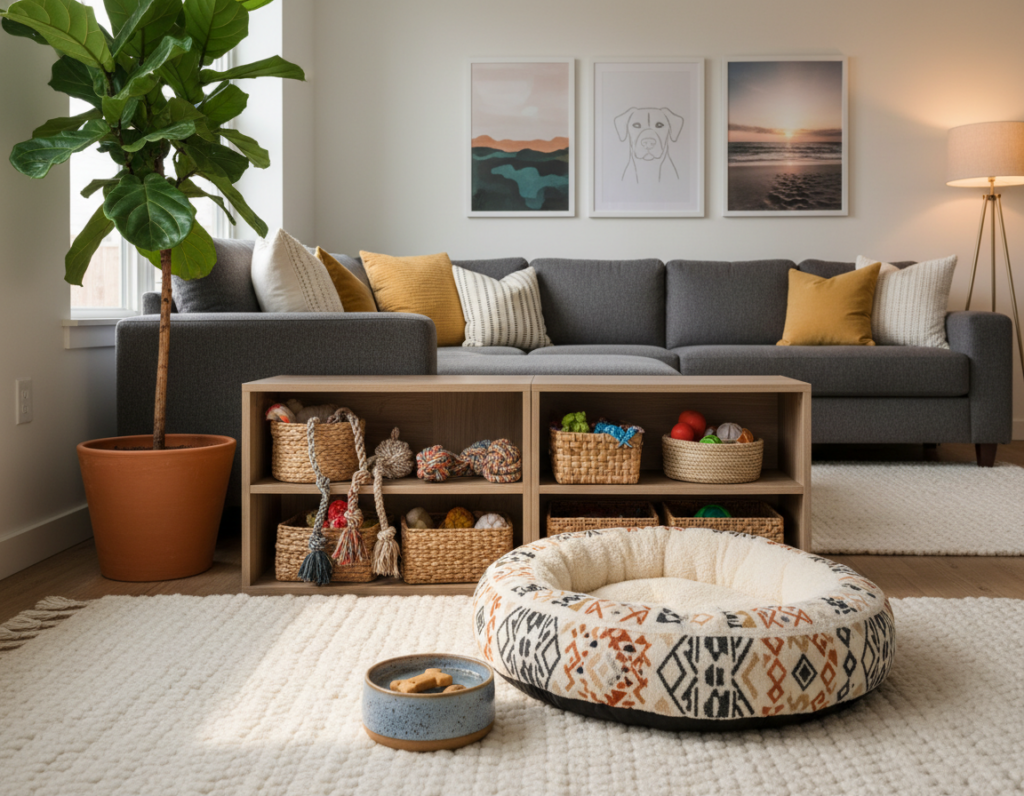
- Keep a few blue or yellow toys nearby to align with an animal’s vision and encourage calm play.
“A small, consistent retreat reduces anxiety and supports better behavior in the home.”
Conclusion
Small shifts in hue and fabric selection change how people perceive fur and how animals move through space. Designers and homeowners can use these choices to keep rooms tidy and calm.
Match tone and texture to a pet’s coat, pick non-toxic materials, and place a few well-chosen toys near quiet zones. These steps improve daily behavior and make care easier for both dogs and humans.
For deeper guidance on accessory choices and color psychology, consult this short guide on color psychology. Thoughtful design honors pets and creates a sanctuary that looks great and works well.