Creating a modern apartment pet setup starts with balancing style and function. Design choices must protect animals while keeping the space calm and welcoming. Steelcase research shows that controlling noise matters for both humans and animals.
The WELL v2 standards guide how environmental quality supports resident well-being. Verywell Mind notes that muted blues and greens promote calm. IES lighting advice helps avoid stark contrasts, and Homestyler makes planning furniture and flow easier.
Practical changes—from sound management to layered lighting—help pets and people enjoy better living. Implementing these ideas helps them create pet-friendly apartment spaces that reflect personal style and improve daily experience.
Selecting the Right Companion for Apartment Living
Finding the right dog for compact living means looking past size to behavior and calmness. Choices should reflect routines, building rules, and the daily time owners can commit.
Prioritizing Temperament Over Size
Temperament matters most. A calm, people-oriented animal often fits shared hallways and close neighbors better than a high-energy breed. The University of Michigan’s poll shows many adults rely on pets for companionship and well-being, so comfort and routine matter.
Evaluating Breed Compatibility for Urban Spaces
- Cavalier King Charles Spaniels: affectionate with moderate activity needs—great for gentle living.
- French Bulldogs and Havanese: low-energy, trainable, and adapt to elevator and compact areas.
- Boston Terriers, Shih Tzus, Pugs: calm indoors but need specific care for breathing and weight.
- Italian Greyhounds and Miniature Schnauzers: quiet at home; require short bursts of play and consistent training.
Tip: Observe how a dog reacts to elevators and common stimuli before committing. This simple test helps ensure pets and community thrive together.
Designing a Modern Apartment Pet Setup
Smart furnishings and clear zones let residents maintain a calm, organized home for pets and people. Verge Luxury Flats in Greenwood illustrates how a community can offer amenities and larger units that support apartment living with dogs.
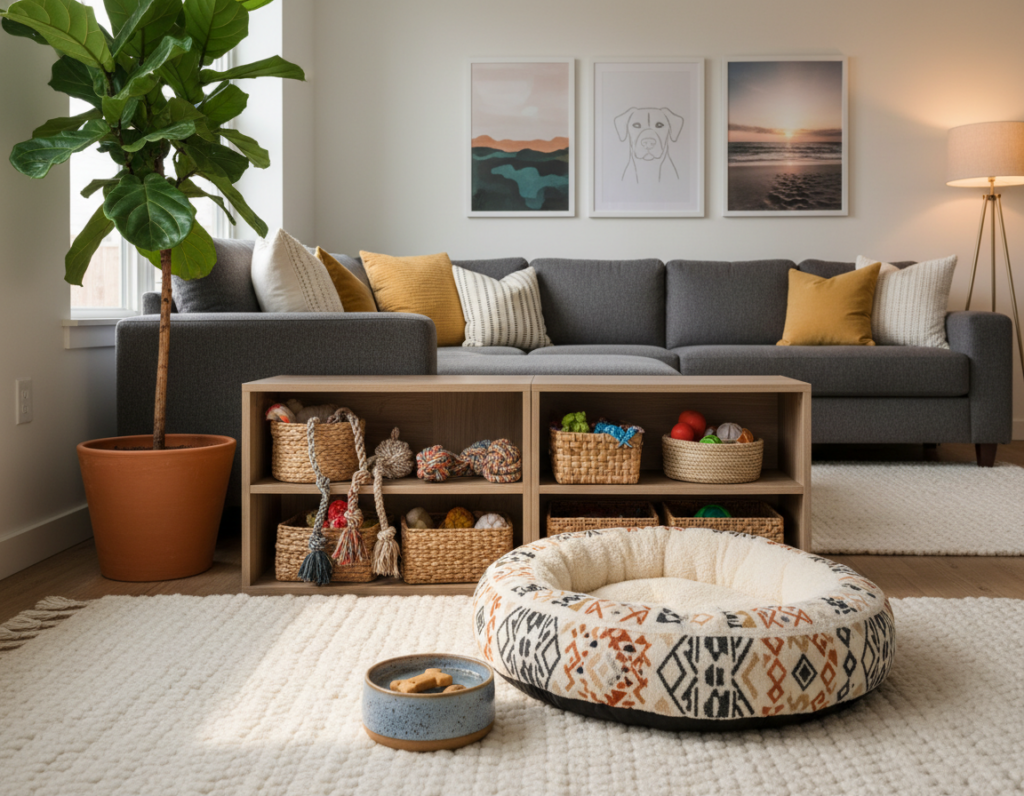
Choose dual-purpose furniture. Dog crates that double as end tables save floor space and keep the living area tidy. Off-the-ground feeding stations protect the kitchen and mark a dedicated dining space for a dog.
Coordinate color and texture so pet items blend with existing style. Use dog-specific wall art and blankets to integrate pets into the room without clashing with decor.
- Integrate pet-friendly furniture to maximize space and maintain a polished look.
- Design a small, consistent area where pets eat, sleep, and relax.
- Pick durable materials and color palettes that hide wear and keep the home cohesive.
Result: Thoughtful design keeps apartments attractive while making pets feel secure and welcome in the community.
Optimizing Space with Multifunctional Furniture
Maximizing usable area starts with selecting pieces that hide clutter and add function. Small choices in furniture and storage can change how people and pets use each room.
Quote:
“Choose items that work double duty: a bench with storage or a side table that hides toys.”
Hidden Storage Solutions for Supplies
Storage ottomans and benches keep toys and supplies out of sight. They reduce tripping hazards and make cleaning faster. Durable bins inside these pieces protect fabrics from stains and daily wear.
Vertical Cat Spaces and Climbing Shelves
Install wall-mounted shelves and a scratching post to free floor area. Cats gain play and rest zones without sacrificing the living area.
Integrated Crates and Furniture Hybrids
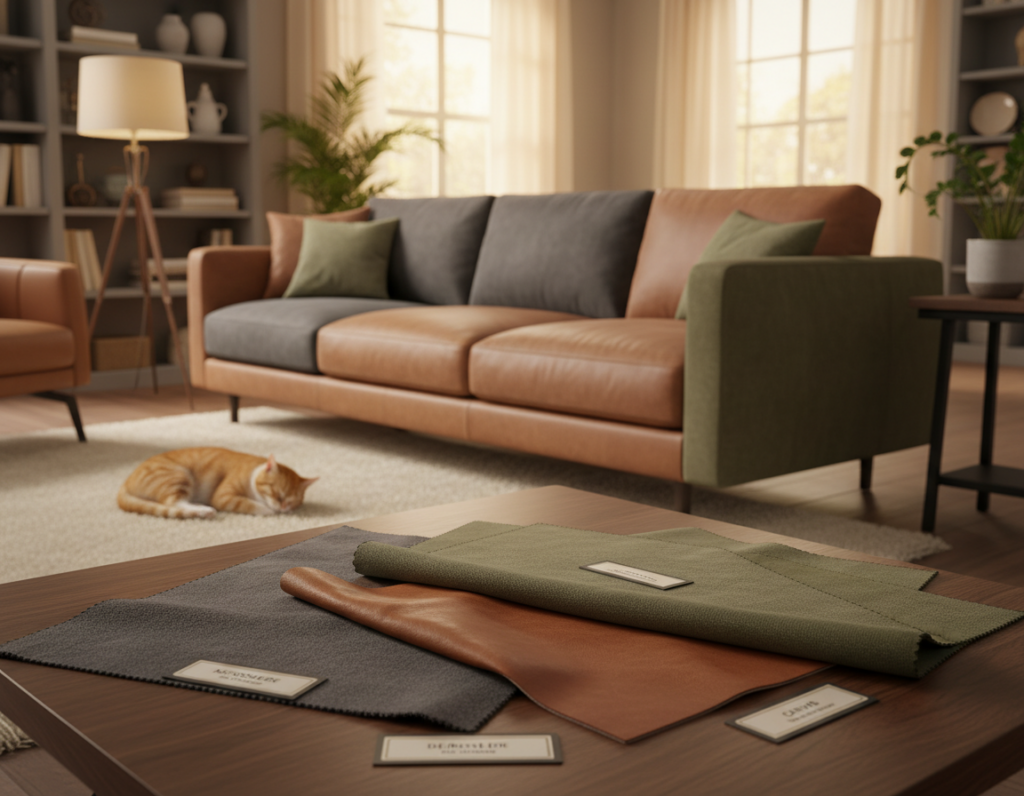
Crates built into consoles or end tables give a discreet bed for a dog while keeping the room stylish. Choose performance fabrics like microfiber or leather for easy cleaning.
- Layer rugs to improve flooring grip and reduce noise.
- Pick high-quality materials that resist stains and scratches.
- Use hidden storage to keep toys and supplies organized.
Enhancing Environmental Quality Through Light and Sound
Small changes to lighting and acoustics can cut stress and boost comfort for people and furry companions.
Intentional adjustments improve daily life, reduce reactive behavior, and help owners manage the shared space with ease.
Acoustic and Lighting Adjustments
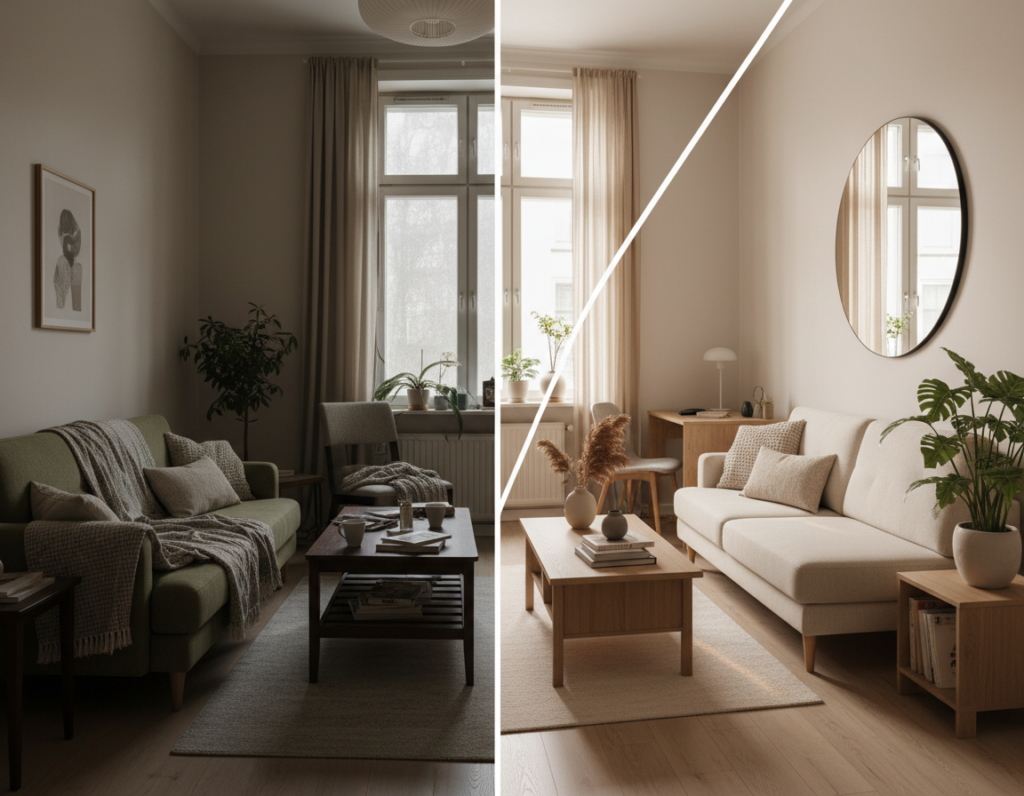
Use fabric panels, bookcases, curtains, and rugs to soften reflections and absorb noise. These materials lower startling sounds from hallways and traffic and create calm zones for pets and people.
Choose warm ambient bulbs between 2700–3000K in living areas. That color temperature promotes evening relaxation for both dog and owner and supports a steady pets mind and human mood.
- Apply matte finishes to flooring to cut glare and reduce anxious reactions in sensitive dogs.
- Pick soothing color palettes like gentle greens and warm grays to support a peaceful environment.
- Use sound-absorbing materials to give companions quiet resting spots and shorten reaction time to disturbances.
Result: Consistent lighting and smart acoustic control create a healthier, more comfortable life for pet owners and their animals. For practical planning tips that focus on dogs and compact living, see creating a dog-friendly apartment.
Maintaining Hygiene and Material Durability
Small, practical decisions about fabrics and flooring make daily maintenance easier for owners. Choose performance fabrics with tightly woven threads to resist snagging from claws and limit visible stains.
Removable covers and washable throws simplify cleaning routines. Machine-washable cushion covers cut the time needed to freshen furniture and keep fabrics smelling clean.
Store grooming tools in a dedicated area near the entrance. That reduces dirt tracked through living spaces and makes quick touch-ups less disruptive to daily life.
“A straightforward routine is the best safeguard for a healthy home when pets share small spaces.”
- Pick rugs and flooring that resist slips and are easy to sweep or mop.
- Establish weekly cleaning for beds and toys to reduce allergens and odors.
- Prioritize regular vet checkups and weight checks for dogs and cats to support health in community living.
Result: By focusing on durable materials, smart storage, and steady cleaning habits, owners keep their apartment living environment clean, comfortable, and stylish while protecting furniture from daily wear.
Conclusion
, Prioritizing routines, storage, and community choices makes shared apartment living smoother. Thoughtful design and smart furniture help owners balance style and care.
By choosing the right pieces and a supportive community, a resident keeps the home tidy and welcoming for both pets and people. Simple tips for cleaning, grooming, and organizing supplies reduce stress and save time.
These steps improve daily life, protect belongings, and support a calm lifestyle. With care and intention, one can create pet-friendly apartment living that enhances the owner’s experience and lets dogs thrive in a stylish space.