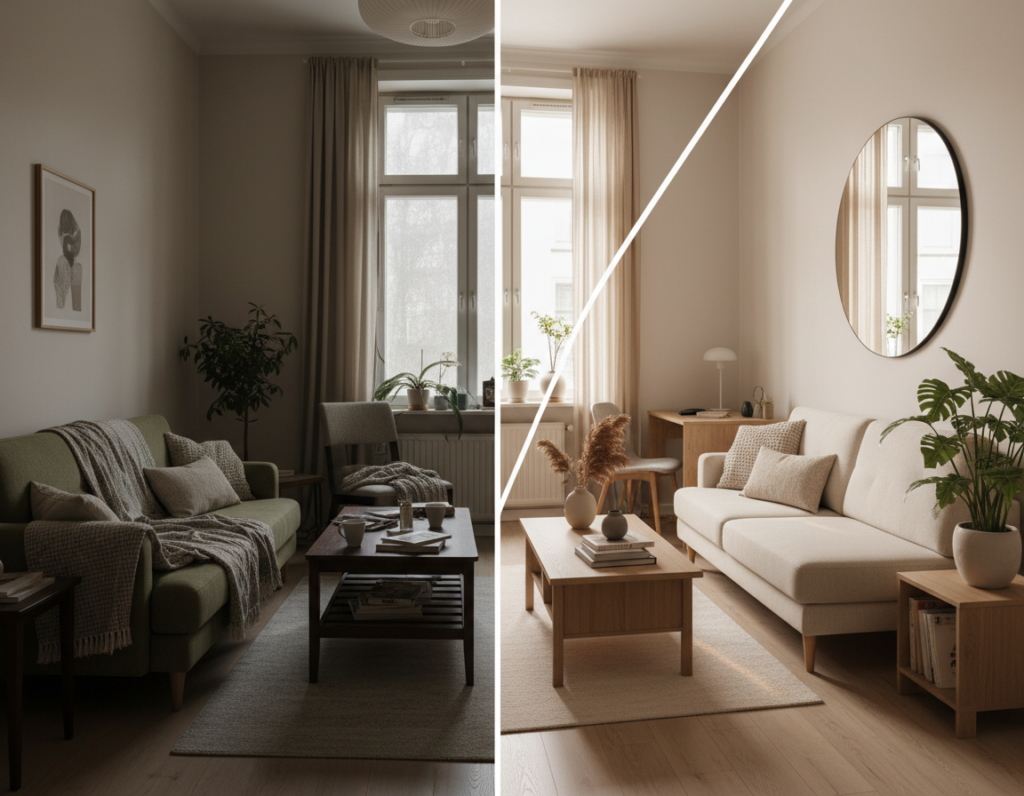
Designing a calm home for animals starts with understanding sound, light, and color. Research from Steelcase shows that noise affects both humans and animals. The WELL v2 standard also stresses sound control for well‑being.
Simple color shifts toward muted blues and greens promote calm, according to Verywell Mind. The IES advises combining ambient and task lighting with low‑glare fixtures to avoid harsh contrasts.
Practical planning tools, like Homestyler, help visualize floor plans and furniture placement so dogs and other pets move comfortably in compact spaces. This guide explores one clear path: balance function with comfort.
When owners focus on sound, light, and layout, they shape a peaceful life for both people and animals. The following sections will show how small changes make a big difference in daily life and pet behavior.
Selecting the Right Pet for Compact Living
Selecting a companion for tight living requires matching energy and temperament to limited space. This short guide helps readers weigh breed traits and daily routines before bringing a dog into an apartment.
Optimal small dog breeds
The Cavalier King Charles Spaniel is affectionate with moderate activity needs, making it a good fit for small rooms. French Bulldogs stay low-energy and people-focused, but owners must monitor heat sensitivity.
Havanese are highly trainable and adapt well to elevator travel, a practical option for many city dwellers. Boston Terriers show short bursts of play and recover quickly; watch breathing in hot weather. Shih Tzus are calm companions that follow routines easily and suit a quiet way of life.
Evaluating adoption compatibility
- Match energy levels of dogs to the available space and the owner’s routine.
- Assess how a dog reacts to elevator doors, hallway noises, and other common triggers.
- Consider temperament first; size alone does not predict success in home living.
- Seek expert tips on training and gradual exposure to building sounds before finalizing adoption.
Prioritizing Temperament Over Physical Size
Temperament often dictates success in compact living more than a dog’s height or weight.
Dogs with moderate energy and strong impulse control cope better with sudden noises like elevator doors and hallway traffic.
Choose animals that show low barking tendencies and respond well to basic training. Trainers note that stable behavior reduces stress for both owners and neighbors.
Companionship preference matters. Dogs that seek human contact and recover quickly from stimulation make quieter, more adaptable residents in shared buildings.
“A calm, steady temperament is one of the best predictors of long-term success in small homes.”
- Temperament matters more than size for living in tight spaces.
- Stable dogs tolerate building sounds with greater ease.
- High impulse control supports a peaceful, low-stress home.
Effective Space Planning for Cozy Pet Apartment Ideas
A clear plan for furniture and traffic paths makes small spaces feel larger and less stressful for dogs. Visual tools like Homestyler help map movement so the living room and entry routes stay uncluttered.
Creating Serene Nooks
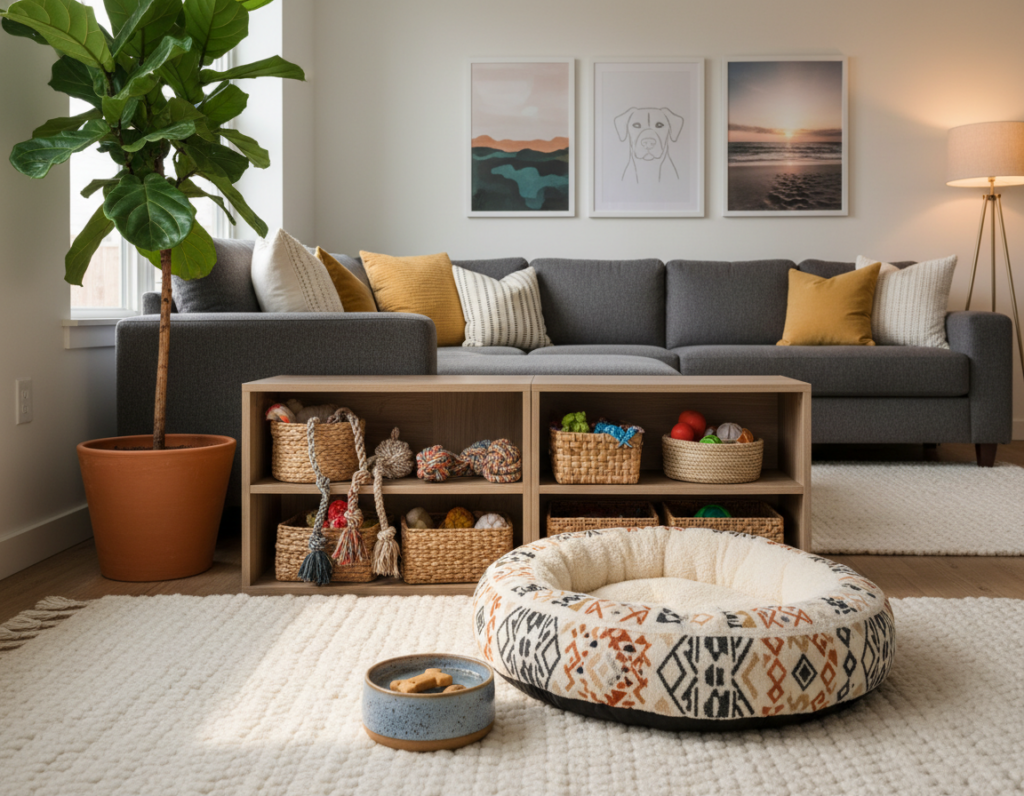
Place a dog bed away from high-traffic routes and shared walls to reduce startle reactions. Soft textiles on the floor and walls absorb sound and soothe nervous animals.
Layering rugs on the floor improves traction and lowers echo. Fabric panels or curtains on walls cut reflections and limit barking triggers.
Furniture Placement Strategies
Arrange furniture to form a clear corridor so dogs move without obstacle. A defined living room zone keeps pets and people comfortable.
- Use cut-outs under tables or lower cabinets for tucked-away storage that doubles as retreat spots.
- Keep pet items organized in labeled storage to maintain a neat, functional home.
- Design each room so corners serve a purpose—rest, play, or storage—to reduce clutter.
Effective space planning is the best way to keep the floor clear and preserve calm. These small moves make a big difference in daily routines and stress levels.
Managing Acoustics and Sensory Comfort
Reducing echoes and choosing warm lighting changes how dogs and people experience each room. Small acoustic upgrades lower reactive barking and improve daily life in a compact living setting.
Lighting and Color Psychology
Acoustics: Research from Steelcase and the WELL v2 standard shows that sound control is essential for well‑being. Add soft textiles, bookcases, and upholstered furniture to absorb noise. Embedded smart speakers in the walls can play steady, low‑volume tracks to mask hallway disturbances.
Color and light: Verywell Mind recommends muted blues and greens to calm nerves. The IES suggests warm ambient lighting (2700–3000K) to avoid glare and harsh contrasts that startle sensitive animals.
- Manage acoustics to make a secure sanctuary for dogs and other pets.
- Use soft wall colors and layered lighting to create a relaxing living room mood.
- Choose furniture that absorbs sound and reduces echo across walls and floors.
Practical note: For visual planning and small‑space solutions, consider tools like designing the perfect tote cat house to test placement and finishes before committing to changes.
Utilizing Vertical Space for Feline Enrichment
When floor area is scarce, building vertical routes gives cats choices and control over their world.
Vertical solutions create play and rest zones without eating up living floor. Mounting shelves and a Katris Mix & Match scratcher on the wall turns empty height into a climbing course.
Therapist guidance matters. Carole Wilbourn notes that cats seek small crevices and high perches for privacy and stress relief.
For discreet storage and litter control, the New Age Pet ecoFLEX litter loo fits inside an end table as an attractive option. Window mounts like the K&H EZ Window Mount let cats safely observe outside life from a high vantage point.
- Using vertical space is the most efficient way to enrich life in small apartments.
- Install wall shelves so a cat can survey its home and feel secure.
- Create a compact storage area for supplies to keep the room clutter-free.
“High perches help cats feel safe and stay out of busy household traffic.”
Establishing Daily Routines to Prevent Restlessness
A steady daily rhythm helps dogs anticipate what comes next and lowers anxious behaviors. A clear routine signals when it is active time and when it is rest time in the home. Consistency reduces surprises and gives owners a reliable way to meet daily needs.
Structured Exercise Schedules
Short, consistent sessions let small breeds burn energy without overwhelming their space. Break walks or play into two or three brief outings so an animal gets movement across the day.
This approach works well in apartments and helps prevent late-night bursts of activity.
Micro Training Sessions
Five-minute training blocks boost confidence and cut boredom-related barking. Use treats and positive reinforcement to teach simple cues.
Repeat these sessions at the same time each day to build momentum and create calm transitions.
Enrichment Activities
Puzzle feeders and snuffle mats occupy the mind with minimal room required. Rotate toys and enrichment items to keep interest high.
Pair door-knock sounds with treats to desensitize dogs and preserve neighborhood peace.
- Routine is the best way to prevent restlessness.
- Micro-training is a practical tip for mental stimulation.
- Keep a variety of toys and enrichment items for daily playtime.
- Consistent schedules save owners time and support steady behavior.
Choosing Durable Materials and Easy Maintenance
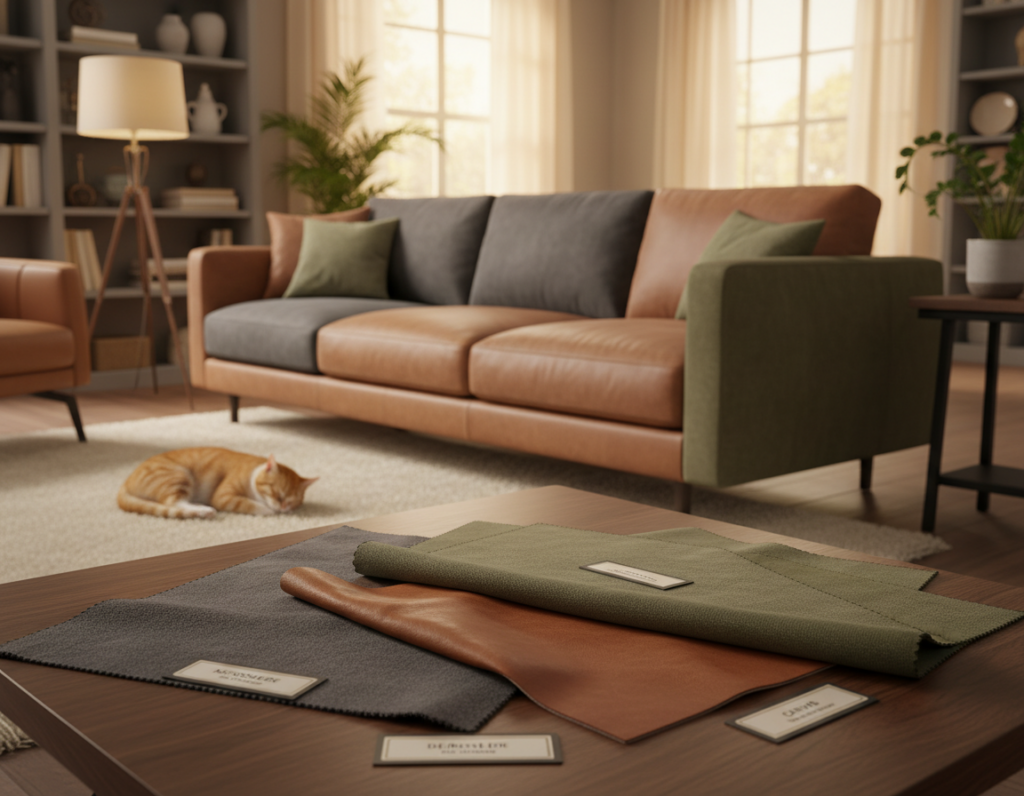
Investing in performance fabrics and smart floor finishes helps owners balance style with long‑term durability. Close‑weave textiles resist snagging and stand up to claws during active playtime.
Removable cushion covers and machine‑washable throws make cleanup fast. Washing bedding and toys on a regular schedule keeps the home hygienic and reduces odors.
Matte floor finishes cut glare and improve traction. This reduces slipping hazards for dogs and hides minor scratches better than glossy surfaces.
- Choose durable furniture fabrics that resist wear from daily use.
- Use smart storage to keep grooming items and cleaning supplies organized near the entry.
- Select machine‑washable throws and covers for easy maintenance of toys and bedding.
- Pick matte floor options to lower slip risk and make floors easier to maintain.
For practical guidance on arranging a small, animal‑friendly home, see a concise walkthrough on creating a pet‑friendly apartment. These choices save time and preserve a polished look while living with pets.
Ensuring Health and Wellness in Small Environments
Small dogs often need extra joint support to stay active and comfortable in limited living spaces. A bolstered, supportive bed protects sensitive joints and offers a clear resting spot in the home.
Climate control matters, especially for brachycephalic breeds like French Bulldogs and Pugs. Stable indoor temperatures and good ventilation reduce overheating risk in compact spaces.
Schedule regular veterinary checkups and monitor weight to catch issues early. Consistent health monitoring helps dogs remain active and prevents chronic problems tied to confined living.
- Draft-free resting areas keep animals warm and reduce respiratory stress.
- Designate a quiet sleeping corner so dogs can recover from urban stimulation.
- Professional care and steady weight management form the basis of long-term wellness in apartments.
“A calm, supported resting place and routine medical care are simple steps that improve quality of life.”
Conclusion
Practical design moves and steady habits turn tight quarters into a functional, calm living space for dogs and owners.
Prioritize temperament and routine to reduce stress and support good behavior. Consistent schedules help animals know what to expect and make daily life easier to manage.
Choose durable furniture and smart storage to save time and keep surfaces tidy. These investments protect floors and fabrics while simplifying cleaning.
Small upgrades—adjusted lighting, sound buffering, and vertical enrichment—raise comfort in the home without major renovation to an apartment.
With thoughtful planning and steady care, a compact residence can become a low-stress, lasting sanctuary for everyone.