Two-thirds of U.S. homes own a pet, so durable upholstery is no longer optional. The American Pet Products Association found 66% of households include at least one pet, and roughly 46.5 million homes have a cat. That scale creates real pressure on sofas and other furniture.
Many owners learned this the hard way. In 2019, a $350 gray sofa became a scratching post for a feline named Felicity. That story shows how fast a standard couch can suffer from claws and daily wear.
This guide helps readers choose the right upholstery. It compares options like velvet, leather, and microfiber, and explains why tight weaves and performance textiles often outlast cheaper materials.
With clear choices and a bit of planning, homeowners can protect their living room style and extend the life of their cushions and seats.
Understanding Feline Scratching Instincts
Scratching is an instinctive behavior that gives felines physical and social signals. Recognizing these drivers helps homeowners protect seating and cushions without causing stress.
Natural Instincts Behind Scratching
Scratching sharpens claws and stretches muscles. It also leaves scent and visual marks that convey territory to other animals.
- Claw care: Removing old sheath layers keeps claws healthy.
- Stretching: Cushions and upholstery offer the resistance needed for a full stretch.
- Marking: Scent glands in the paws signal ownership of a room or piece of furniture.
Redirecting Behavior Effectively
Yelling or spraying water often backfires. A better way is to provide appealing alternatives, such as a sturdy scratching post or a dedicated bed near favored spots.
Consistent training and positive reinforcement guide a pet away from a couch. Over time, offering rewards when the animal uses a post or bed reduces damage to couches and cushions.
The Science of Selecting Cat Resistant Couch Fabric
Choosing upholstery that stands up to daily use and claws starts with understanding how materials behave under stress.
Tight weave and high-density construction make it harder for claws to snag. A strong weave also resists quick wear and reduces visible scratches.
Performance textiles and treated velvet often combine softness with durability. Examples on the market range in price and style. The Jennifer Taylor Home Knox Modern Farmhouse Sofa lists at $987.57 for a clean bench-seat look. The Windsor Performance Velvet Sofa is $1022.50 and the Napa Velvet Sofa from Poly & Bark is $1299.
Higher-end options include the Rensselear Velvet at $930 and Interior Define’s Caitlin and James sofas priced at $1908.25 and $2248.25 respectively. These models offer performance choices that help protect cushions and seats.
- Consider the weave: denser weaves resist penetration better.
- Balance price and value: a mid-range sofa can outperform a cheaper piece.
- Use covers: slipcovers or protective covers add an extra layer while deciding on long-term upholstery.
Why Velvet Remains a Top Choice for Pet Owners
Velvet’s mix of texture and toughness keeps many living rooms both stylish and practical. It pairs rich color and a soft hand with a tight weave that helps limit snags. This makes it a favorite for cat owners who want a polished seat without constant repairs.
Decor Versatility and Style
Velvet offers more color and finish options than leather, so it fits formal and casual rooms. A high-quality velvet sofa can anchor a space and still handle daily pets and use.
The smooth surface of performance velvet gives claws little to grip. Owners who trim claws regularly find velvet surprisingly durable.
- Tight weave: reduces the chance of pulls and extends life.
- Easy upkeep: removing hair and spot cleaning is straightforward.
- Price flexibility: options range from budget to premium, so buyers can balance cost and style.
Durable Synthetic Alternatives for Modern Homes
For busy living spaces, selecting the right man-made materials makes a big difference. Homeowners who juggle pets and daily use often prefer options that blend durability with style. Below are three practical choices that perform well in real homes.
Microfiber Benefits
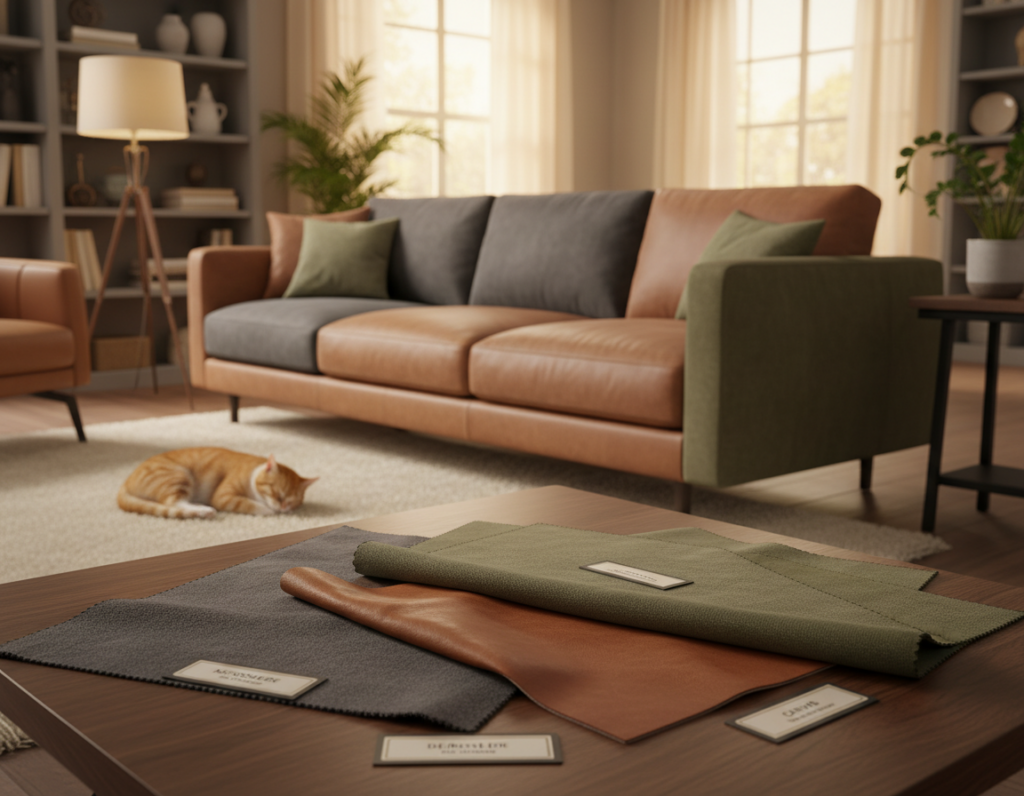
Microfiber has a tightly woven construction that blocks claws from catching. It repels hair and lifts easily with a brush or vacuum.
This material often costs less than leather and comes in many colors, so it fits a sofa or sectional without sacrificing style.
Leather Durability
Leather stands up to spills and wear. Small scratches can mellow into a natural patina, which hides blemishes over time.
It requires periodic conditioning but offers a long-lasting surface for couches and chairs in a busy home.
Performance Textiles
Performance textiles resist stains and moisture. They are engineered to handle active pets and heavy use while keeping cushions looking newer.
- Good upkeep: Regular grooming reduces cat hair on sofas.
- Style options: Many synthetic fabrics come in varied colors and seat styles.
- Smart investment: Higher-quality materials can lower long-term price and repair time.
Materials to Avoid When Living with Cats
A single wrong material choice can turn a new sofa into an eyesore overnight.
Skip loose weaves. Chenille, tweed and similar textiles form loops that claws easily snag. Those loops pull and unravel fast, leaving visible damage on couches and chairs.
Avoid delicate fibers. Silk and rayon tear or puncture with little force. One small hole can compromise the entire piece and lead to costly repairs or replacement.
- Check the weave before buying a sofa; tight construction reduces catches.
- Consider long-term price and maintenance—expensive furniture can fail quickly if the material is unsuitable.
- Use slipcovers only as a temporary fix; they help but do not replace choosing durable options.
- Mind stains and hair: some materials trap hair and show spots more easily, increasing upkeep time.
For a deeper comparison of safe and risky choices, see the best and worst fabrics for cat. Being mindful when selecting materials prevents damage and protects favorite furniture long term.
The Role of Tight Weaves in Claw Prevention
A tightly woven surface gives claws far less to grab, making it a frontline defense for busy homes. A compact weave blocks piercing and reduces snags. That simple structure protects a sofa, seat, and the rest of the furniture in daily use.
Run a fingernail over upholstery to test durability. If you can catch a thread, the weave is too loose. Always ask for a swatch before buying a new couch to verify density and quality.
- Examples: velvet and microfiber use tight weave construction to create a smooth surface that discourages scratching by a cat.
- Engineered options: many performance fabrics are made specifically to handle daily use and hair while limiting visible wear.
- Smart buy: investing in a dense weave often lowers long-term price and repair needs for couches and sofas.
Choosing upholstery with a dense construction gives the best protection against claws. It is a cost-effective way to keep couches clean and extend the life of a piece.
Implementing Effective Redirection Strategies
Small changes in placement and texture often shift where a pet chooses to scratch. Owners who pair the right tools with steady training protect sofas and other seating over time.
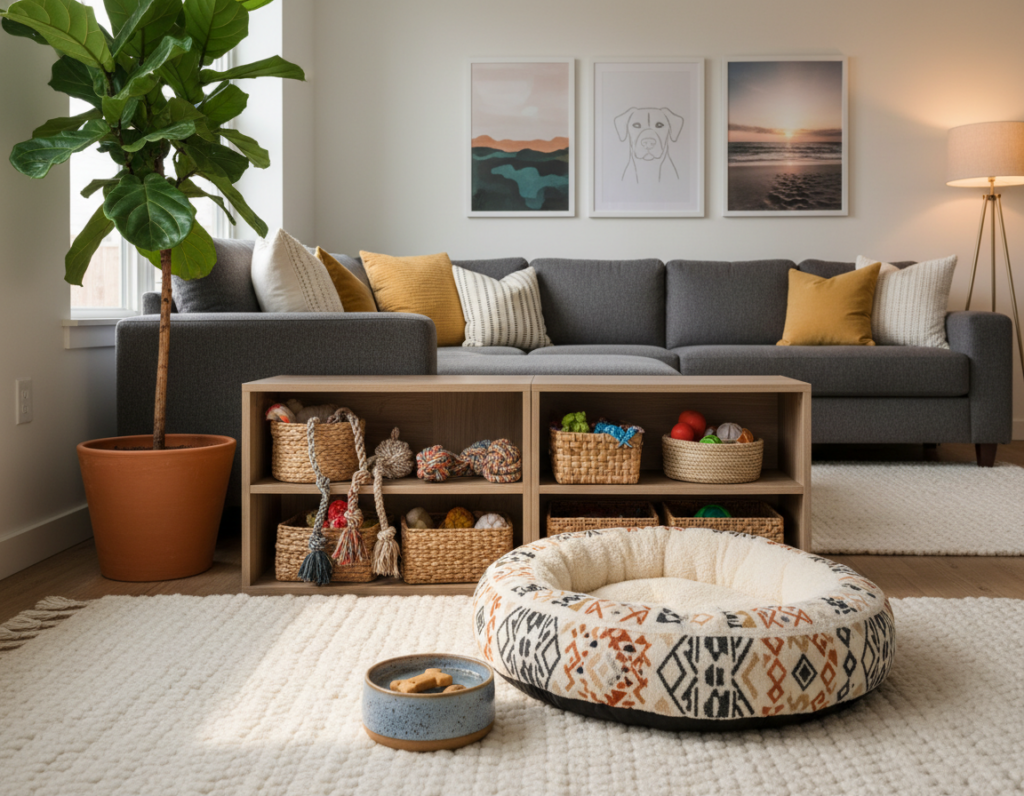
The StayPurr Donut Tunnel Bed uses a high-density felt that mimics upholstery resistance. That texture draws interest and feels satisfying compared with many fabrics on a sofa.
Place a scratching alternative next to the armrest or favorite perch. When the bed or post sits beside the couch, cats choose it more often than the main furniture.
- Be consistent: guide the animal gently to the bed or post each time it approaches the couch.
- Offer variety: different textures and heights keep cats engaged and reduce damage to couches.
- Invest time: short, regular training sessions beat occasional corrections and lower long-term price for repairs.
With patience and the right options, owners can protect upholstery, reduce hair transfer, and redirect claws to approved areas.
Protecting Existing Furniture with Smart Covers
Smart covers let homeowners protect furniture and keep style intact. A well-chosen topper shields a sofa from daily wear and gives pets a defined seat. This approach keeps the room looking neat while saving on replacement price.
Choosing the Right Topper
Look for a topper made from a tightly woven microfiber or performance textile. These options block claws and limit pulls on the underlying fabric.
Machine-washable covers remove hair and stains easily. Many come in multiple colors so they blend with decor.
- Secure fit: straps or non-slip backing keep the cover from shifting when a pet jumps on or off.
- Comfort: a padded topper gives pets a preferred bed and protects cushions at the same time.
- Durability: choose covers rated for heavy use to lower long-term price and repair needs.
With the right cover, families can protect sofas, preserve style, and reduce upkeep without a full upholstery overhaul.
Essential Maintenance for Long-Lasting Upholstery
A few minutes each week of focused upkeep can save hundreds in replacement price. Regular care keeps furniture looking newer and extends the life of cushions and seats.
Owners should vacuum to remove hair, dust, and debris. A lint roller or a damp cloth handles light shedding between cleanings.
Trim a cat’s claws regularly to reduce snags. That simple step lowers the chance of pulls on velvet or performance textiles.
- Act fast on stains: blot spills immediately and use a cleaning option recommended for the specific fabric.
- Inspect cushions and seat: check seams and foam for wear and fix minor issues early to avoid bigger repairs.
- Follow care labels: manufacturer instructions protect color and texture and keep warranty terms valid.
“Routine maintenance is a small price to pay for long-term comfort and lower replacement costs.”
With steady attention and the right routine, owners preserve style and function. Small steps save time and price down the road.
Conclusion
A thoughtful material choice can keep living spaces attractive while standing up to everyday wear. As of the April 2025 update, the chosen sofa remains in perfect condition, showing that the right pick can handle a cat’s claws and daily use.
Combine tightly woven options such as velvet or microfiber with consistent training and good scratching alternatives. That mix protects furniture and guides scratching toward approved surfaces instead of precious seats.
With smart choices, regular upkeep, and patience, homeowners enjoy style and function. Selecting the best cat-proof option for a sofa helps preserve a living room and keeps both pet and person happy.