Home style and pet needs now intersect in new ways. In November 2024 the market shifted toward pieces that blend form and function. Owners want options that fit living rooms while still supporting feline play and rest.
They seek designs that respect a home’s look and give cats safe places to climb, scratch, and nap. Choosing well-made items helps balance instinctive behavior with a tidy interior.
This guide outlines how updated design principles change supply and selection. It shows how thoughtful choices keep pets active and keep spaces calm.
Key benefits include better durability, discreet storage of toys, and surfaces that suit both claws and decor. With smart selection, owners can meet needs without compromise.
– Stylish alternatives now pair with enrichment.
– 2024 trends favor integrated, durable options.
– Good choices keep cats happy and homes organized.
Understanding the Shift in Pet Furniture Design
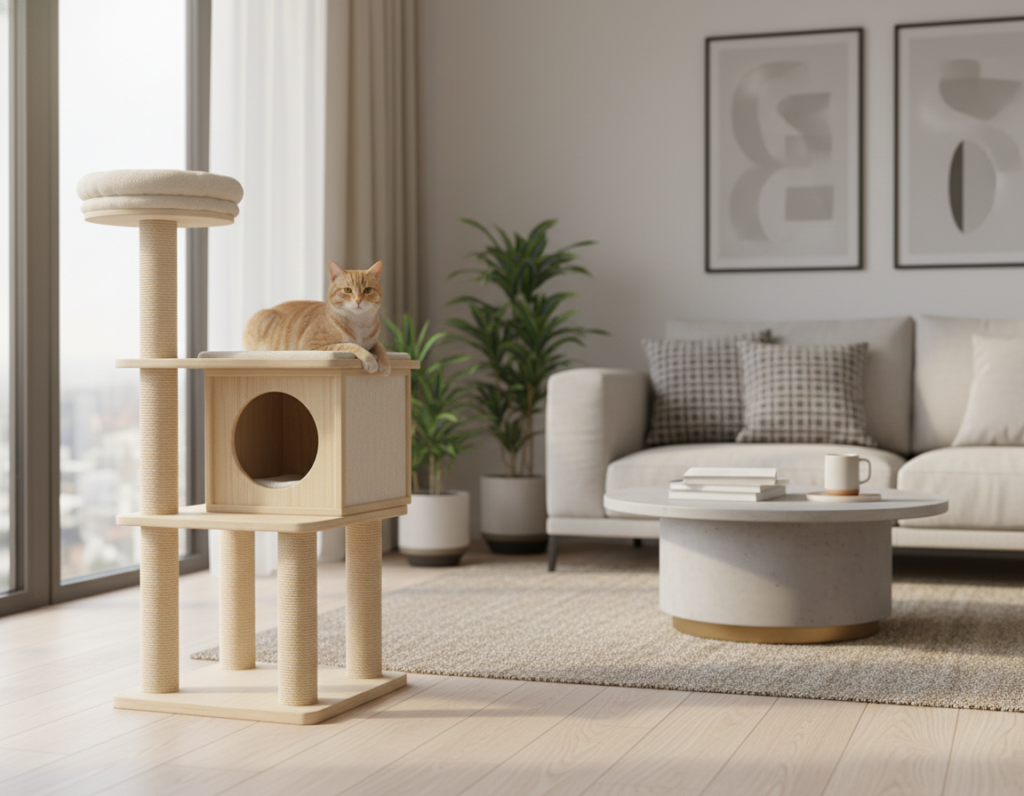
Designers are rethinking tall, carpeted towers so they fit living rooms without sacrificing play value.
Since November 2024, makers emphasize durable cat trees that act as play areas and as attractive home pieces. Durability and clean lines help owners keep rooms tidy while offering vertical space for pets.
Many older trees earned a reputation as eyesores. That criticism drove a move toward high-quality materials and a minimalist aesthetic. Owners now spend extra time researching the best style to keep their cats engaged and comfortable indoors.
- Smaller footprints and solid construction reduce clutter.
- Intentional accessories replace scattered toys and scraps.
- Design choices treat pets as family, not afterthoughts.
In short, the evolution blends form with function. New trees support play, rest, and a cohesive living room look without compromise.
Why Modern Cat Furniture Review Standards Matter
A clear set of standards helps buyers compare pieces that claim both style and function. It shows whether a tree will hold up under daily use and if it fits into a home’s decor without compromising comfort for the pet.
Key assessment points include structural integrity, materials, and usable features. Testers look for premium plywood frames, plush resting surfaces, and sisal surfaces where scratching is needed.
Defining Aesthetic and Functional Criteria
Experts such as Tuft + Paw stress that the best tree designs balance load-bearing posts with soft beds. A sisal rope post is preferred to discourage shredding materials.
- Durability tests for stability and weight capacity.
- Material checks for premium plywood and plush fabric quality.
- Feature reviews for scratching areas, perch placement, and ease of cleaning.
Standardized testing gives owners confidence that a product meets safety and performance expectations. Clear standards let reviewers highlight trees that achieve the right mix of style and utility.
Safety Considerations for Your Feline Friends
Prioritizing non-toxic components and a broad base reduces risks when selecting an indoor cat tree. Buyers should inspect labels and test documents to confirm safe materials and construction before purchase.
Toxic Material Awareness
“Some cat tree products may contain toxic materials like formaldehyde glue that can harm your pet,” warns Russell Hartstein, founder of Fun Paw Care.
Make sure that every product is free from lead, cadmium, and formaldehyde. Manufacturers increasingly publish test results; those reports are key to vetting a piece of furniture.
Structural Stability
Structural stability matters for active and larger cat breeds. The base must be heavy enough to hold a cat’s full weight during play.
- Verify that all parts are securely fastened at assembly.
- Take the time to tighten hardware after setup.
- Inspect the tree regularly for loose bolts or worn materials that reduce stability.
Simple checks at purchase and routine inspections help keep the pet safe and extend the life of the tree.
Evaluating Modern Cat Trees for Small Spaces
In tight apartments, a well-planned cat tree can provide vertical play and rest without crowding living areas.
Look for compact design and stacked platforms. The best cat trees for limited square footage use height to free floor space. Multiple platforms let a feline climb and observe without a wide footprint.
Consider the size of the base so stability matches the tree’s height. A narrow base saves room but must still prevent tipping during active play.
Choose washable cushions and smart features. Many trees include faux fleece pads that detach for machine washing. Built-in boxes and condos add privacy while keeping toys tucked away.
- The Catry Cedar cat tree fits corners and adds essential features in small spaces.
- The Catit Vesper Treehouse combines a condo and scratching areas in a compact footprint.
- Proper assembly ensures platforms stay secure and the entire structure maintains stability.
Summary: Prioritize vertical layout, a stable base, washable faux surfaces, and careful assembly when selecting a tree for a small home.
Premium Options for Discerning Cat Owners
Top-tier designs focus on sustainable wood and replaceable parts to stretch a product’s lifespan. High-end pieces pair ethical sourcing with thoughtful engineering to justify a higher price.
Sustainable Wood Sourcing
The Mau Cento cat tree uses wood from trees that no longer bear fruit, appealing to owners who value eco-friendly materials. Solid wood construction gives the platforms a sturdy feel and a refined look.
Many luxury makers include replaceable parts like sisal rope and plush cushions. These options extend life and make upkeep simpler.
- Replaceable rope and cushions reduce waste and lower long-term price per use.
- Unique features such as dangling toy attachments boost engagement and enrichment.
- Premium wood posts and secure platforms support larger breeds and active play.
Investing in a high-quality tree or scratching post means better materials, repairable parts, and design options that match home decor while keeping a pet engaged.
Versatile Cat Beds for Cozy Napping
A thoughtful bed design makes it easy for a pet to switch between hidden naps and sunlit lounging. The Catenary Moon Cat Cave is one example that cats love because it works as a private cave or an open-style pad.
Many cats like to have several options for where they sleep. Designs often use faux shearling or plush linings for warmth and softness. These materials help a cat settle quickly and stay comfortable through long naps.
A well-made hammock can hang inside a shelving unit or attach to a window frame. A gently suspended hammock offers a cozy, elevated place to rest during the day and blends with neutral decor.
Practical benefits include machine-washable covers and removable cushions, which keep beds hygienic in busy homes. By placing multiple beds around the house, owners ensure their pet always has a preferred retreat.
For a curated list of tested options, see the best cat beds. This helps match a bed style to a pet’s habits and the home’s layout.
Window Perches and Hammocks
Window perches and hammocks give indoor pets a sunny lookout and a private resting place. They are ideal for animals that like to watch birds and the street below.
Suction Cup Security
When installing a window bed, make sure the glass is spotless. Clean glass helps heavy-duty suction cups hold the weight safely.
The Tuft + Paw Cloud Nine Window Hammock is a reliable option when fit and cleaning instructions are followed.
Window Sill Compatibility
Some beds sit on a sill while others rely on cups. Choose the option that matches sill size and room space.
Adding a soft pad or blanket makes the hammock more inviting and helps keep beds fresh between washes.
- Perches complement a larger cat tree to create climbing and napping zones.
- Check post and rope areas on nearby trees for integrated scratching options.
- Confirm size and weight limits before purchase to match the pet and the home.
Innovative Scratching Solutions
Today’s scratch posts focus on durability and interaction to stand up to active animals over time.
Designs now combine scratching with lounging and light play. The PetFusion Ultimate Cat Scratcher Lounge is a top-rated product that offers a flat lounge surface and effective scratching area in one piece.
Other options add sensory features. The Omlet Switch LED Scratching Post uses shifting light patterns to attract attention while providing a robust post for daily scratching.
Stability matters most. Choose a scratching post with a heavy base so it handles the full weight of an animal during vigorous use. Poor stability leads to wobble and avoidance.
- Prefer replaceable sisal rope and modular parts to extend product life.
- Check assembly steps and tighten all fasteners; proper assembly prevents early wear.
- Look for wood or composite posts with firm mounting to improve long-term stability and safety.
- Consider multi-function designs, like the Catenary Bloom scratcher set, that add visual appeal and save space.
Quick checklist: stability of the base, replaceable rope/parts, clear assembly instructions, and weight limits that match the pet. These features keep scratching behavior focused on the post and protect home surfaces.
Furniture That Doubles as Decor
Pieces that double as decor let owners place practical pet elements where guests notice only the style, not the purpose. This approach keeps living areas tidy while meeting a feline’s needs for rest and play.
Integrating Side Tables
The Hilde & Phil Cat-e-Corner is a prime example of a side piece that hides a bed and a scratching surface. Crafted from quality wood, it reads as intentional decor and not a standalone pet item.
Benefits include saving floor space and offering a sturdy top for lamps or books. Designers test the weight capacity to ensure the tree supports active use and naps without wobble.
- Built-in bed areas keep a pet comfortable while saving footprint.
- Integrated scratching zones steer behavior away from sofas.
- Various finishes let owners match the piece to room style and size constraints.
“A side table that doubles as a tree helps owners blend enrichment into daily life.”
Choosing dual-use pieces balances form and function. It gives the pet quiet places to rest and keeps rooms orderly for people who care about both comfort and design.
Litter Box Enclosures for Privacy
A discreet litter box enclosure turns an essential item into a private, tidy corner of the home.
Many cats like the quiet, sheltered feeling an enclosure provides. An enclosed space helps reduce stress and cuts down on litter tracking through living areas.
Popular options, like the Rena Litter Box Enclosure from Wayfair, are made from manufactured wood and mimic a small cabinet or side table. These pieces blend with decor while hiding the litter pan from guests.
Maintenance matters. Cats are sensitive to odor, so owners must scoop daily and clean the enclosure often. Good ventilation and easy-access doors simplify upkeep.
- Privacy: Enclosures provide a secure spot that most cats prefer.
- Cleanliness: Regular cleaning prevents avoidance and odor buildup.
- Value: Paying a fair price for a sturdy, well-designed piece often pays off with less mess and stress.
For recommendations and tested options, see a curated list of the best litter box enclosures.
Elevated Feeding Stations
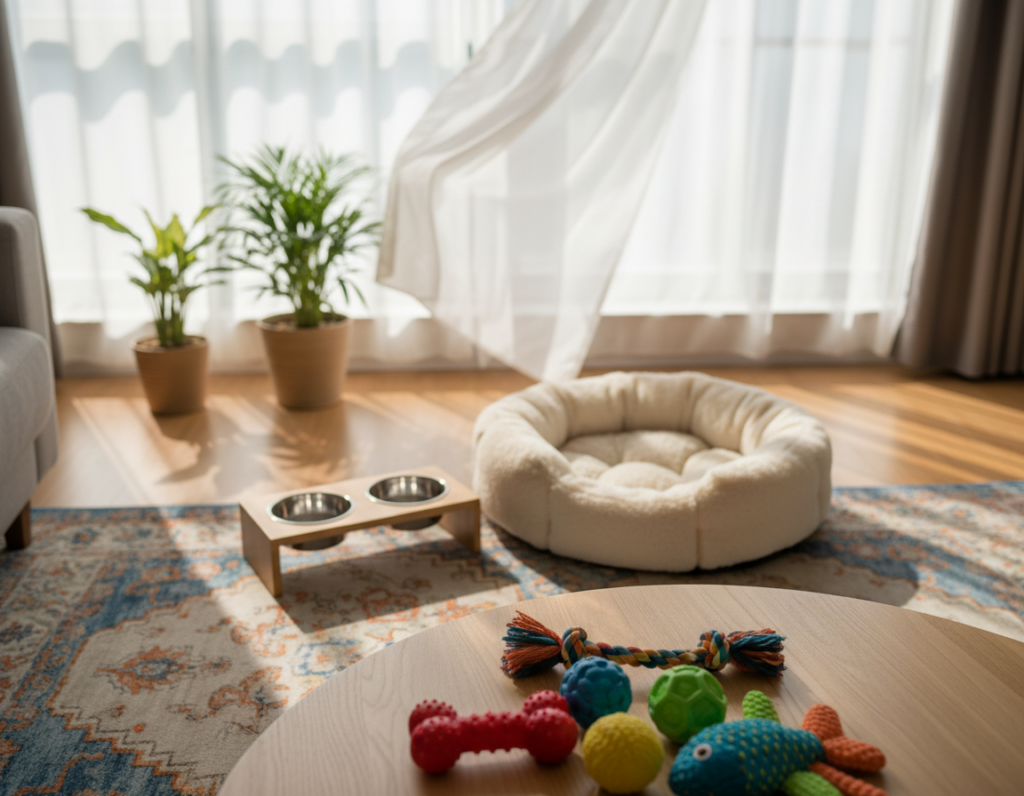
Putting bowls off the floor often leads to cleaner eating zones and happier cats. Elevated feeding stations, such as the Cat Person Mesa Bowl, ease neck strain for adult cats and help them eat with better posture.
Wide bowls reduce whisker fatigue by giving whiskers room away from sides. This small change makes meals more comfortable and can prevent picky eating in some pets.
Raised bowls also keep food from being pushed across the floor. A dedicated, elevated space simplifies cleanup and supports a tidy kitchen or eating area for the home.
While many stands use plastic, owners should watch for signs of cat acne and keep surfaces clean. Regular washing reduces bacterial buildup on non-porous bowls.
“A raised feeder can improve mealtime comfort and long-term health for an adult cat.”
- Comfort: reduces neck strain.
- Hygiene: keeps feeding area cleaner.
- Design: blends with home decor while serving cats well.
Essential Toys for Enrichment
Interactive toys help satisfy a pet’s hunting instincts while fitting neatly into living spaces. Owners should pick items that invite chasing, pouncing, and problem solving.
Enrichment toys from brands like Cat Person keep cats active and mentally stimulated throughout the day. Many cats love toys stuffed with catnip or attached to strings because they mimic prey and reward natural hunting behaviors.
Some toys serve double duty as decor. Beautiful, well-made pieces can sit on a shelf or beside a bed without looking out of place. Providing a mix of wand toys, puzzle feeders, and soft mice ensures a pet always has something new to explore.
- Rotate toys weekly to maintain interest.
- Use some toys in a bed or on a tree to encourage resting and play in one spot.
- Supervise play that involves strings or small parts to prevent swallowing or tangling.
“Supervision and rotation are simple ways to keep play safe and stimulating.”
Tips for Successful Assembly and Maintenance
Careful setup and routine checks keep a cat tree safe and ready for daily use. Start by laying out all parts and reading the instructions before you begin. That small step saves time and prevents mistakes.
Replacement Parts and Repair
Keep spare replacement parts on hand when possible. Many makers sell rope wraps, posts, and plush pads so owners can refresh worn areas without replacing the whole tree.
Check the wood posts and sisal rope for wear. If a post loosens or a pad tears, swap the part to restore stability and extend usable life.
Cleaning Protocols
Vacuum platforms and wipe down wood surfaces weekly to reduce dander. Use a mild cleaner on faux or plush pads and wash removable covers on a gentle cycle.
Regular inspections for loose bolts and frayed rope help keep weight capacity and overall stability intact. If any step feels unclear, contact the manufacturer for assembly help or replacement parts.
- Assembly: follow instructions and tighten all fasteners.
- Maintenance: inspect rope, posts, and pads every month.
- Cleaning: vacuum, wipe surfaces, and launder covers as needed.
How to Choose the Right Piece for Your Home
Start by matching a tree’s footprint to the room so it feels intentional, not incidental.
Measure the space and note ceiling height, doorways, and walkways. Verify the tree’s base and overall size to avoid blocking traffic or view lines.
Consider the pet’s habits. If they prefer high perches, prioritize taller platforms. For loungers, look for cozy beds and roomy condos.
- Balance personal style with function: choose a tree or piece that complements décor while serving cats’ needs.
- Review a curated list of products to compare trees, litter enclosures, and beds by price and features.
- Think long term: pick options with replaceable parts to extend life and lower total cost over time.
“Choosing each piece thoughtfully creates a calm home that supports pets and people.”
Take the time to measure, compare, and prioritize durability. With careful selection, the right tree will support activity, save space, and enhance the room’s look.
Conclusion
Selecting well-built, purpose-driven pieces gives pets room to be active and gives owners peace of mind.
Investing in quality furniture helps keep spaces tidy while providing play, rest, and privacy for cats.
By choosing safe materials and sturdy designs, owners support healthy behavior and lasting use. Regular assembly checks and maintenance extend the life of each piece.
The right selections — from a sturdy tree to a snug bed or a discreet litter enclosure — make daily life simpler. They also encourage enrichment and comfort for cats.
Ultimately, practical design and careful choices create a calm, organized home that meets both pet instincts and personal style.