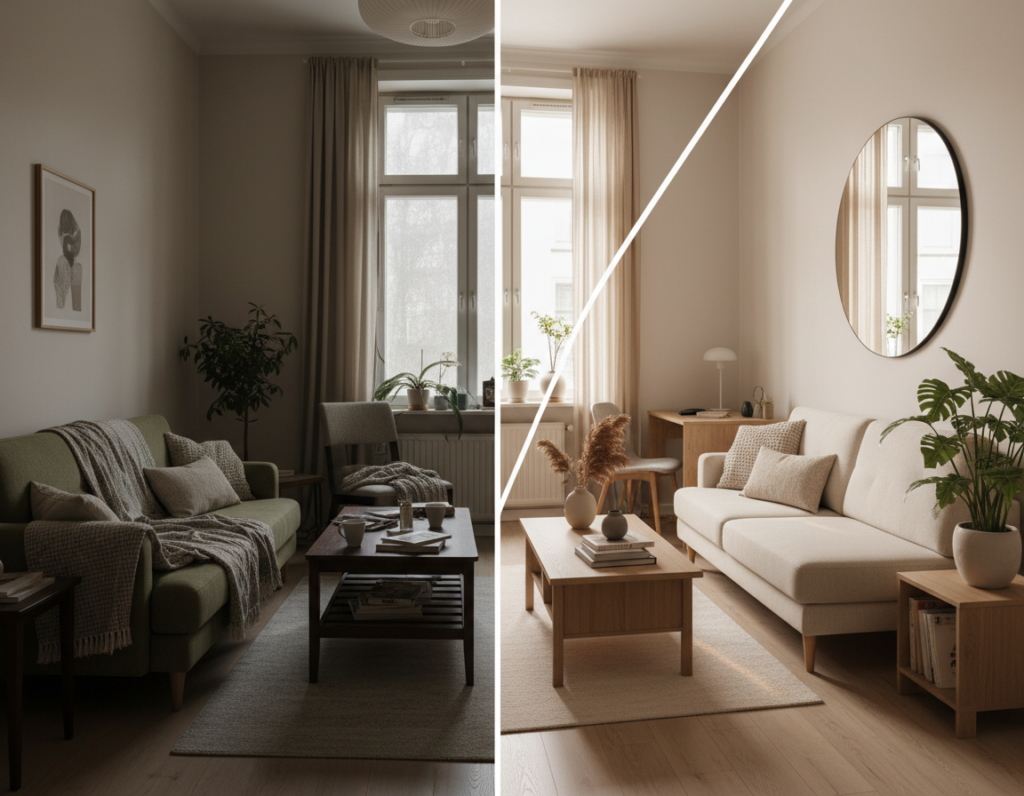
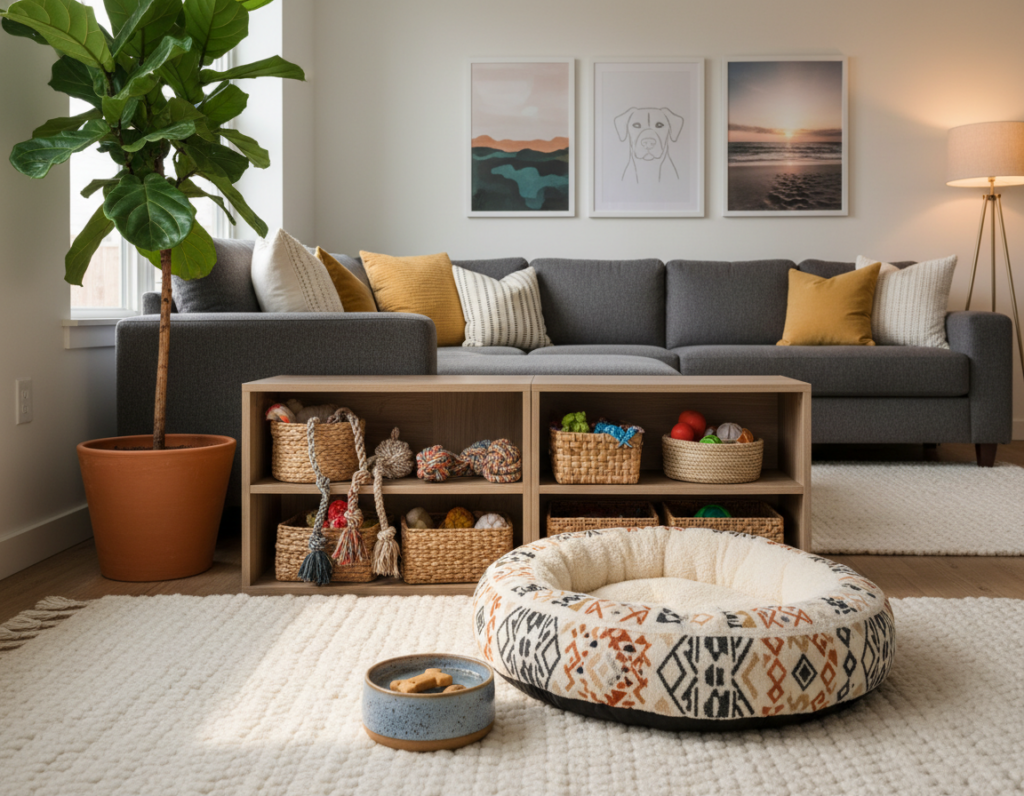
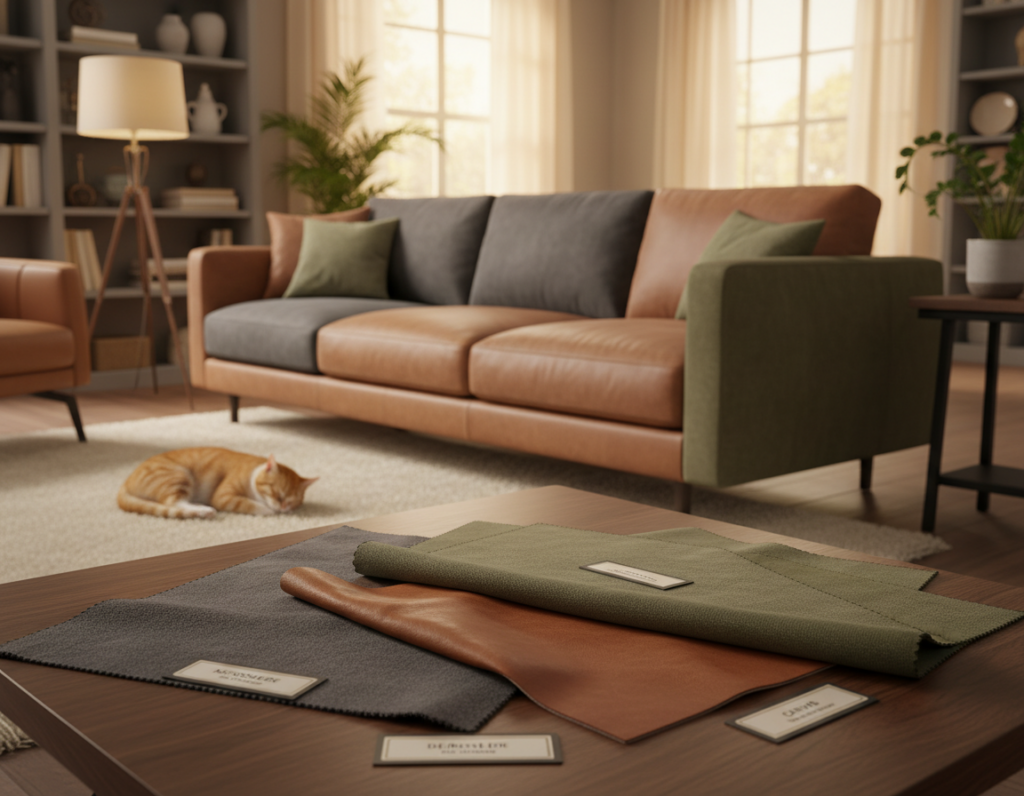
Providing natural light for indoor cats helps support a stable daily rhythm and boosts overall wellness. This guide shows simple changes a homeowner can make to bring more sun into a living space. It focuses on practical layout and design moves that help a feline companion thrive.
Many rooms in U.S. homes lack easy window access, which can leave a companion with little chance to bask or watch the outdoors. Small shifts in furniture, curtain choices, and shelf placement can create sunny spots that promote activity and calm.
Readers will learn hands-on strategies to improve a pet’s day-to-day life. The tips balance behavior, health, and home style so the space benefits both people and animals. This introduction sets the stage for practical, low-cost solutions that anyone can try now.
Understanding the Biological Needs of Indoor Cats
The cat’s body responds to small changes in ambient light, shaping when it sleeps, hunts, and plays.
These rhythms trace back to ancestral hunting patterns and still guide behavior today. Owners who respect this cycle help their pets stay calm and active.
- According to the National Wildlife Federation, cats keep a unique internal clock tied to prey movement.
- The tapetum in the back of the eye acts as a reflector, letting a cat see with far less light than humans need.
- Pupil size shifts across the day, narrowing at night and widening at dawn to match activity cycles.
- Artificial lighting can disrupt these patterns and make it hard for a pet to maintain a steady internal rhythm.
Understanding these needs helps a homeowner set up sunny spots and quiet hours that support healthy behavior. Small changes yield big benefits to a cat’s mood and daily routine.
Why Natural Light for Indoor Cats Matters
Daytime exposure shapes a cat’s daily pattern, guiding when it naps, plays, and hunts. Giving pets steady access to natural light supports core body functions and makes behavior more predictable.
Circadian Rhythm Regulation
Light cues keep a stable rhythm. Regular daylight helps regulate sleep and wake cycles. That steady rhythm reduces stress and prevents long periods of inactivity in cats.
Serotonin and Mood
Sunlight influences brain chemistry. Exposure to sunlight supports serotonin production, which helps protect against anxiety and improves overall mood. A cat with good daily cues tends to be more engaged and less restless.
Skin and Coat Health
Access to sunshine also affects skin and coat. Daylight supports normal shedding and can help vitamin metabolism tied to fur condition. Healthy exposure reduces dull fur and helps maintain a soft coat.
- Steady daylight reduces lethargy and mood swings.
- Consistent access supports better sleep and physical vitality.
Assessing Your Home for Optimal Sunlight Exposure
A home’s structure and window layout directly determine how much daylight pets can use each day. Start with a quick walk-through at different times to note where sun falls and when. This reveals practical spots to place beds or perches that a cat will prefer.
Key checks are simple and useful. Measure the ratio of building height to nearby walls or trees to estimate total sun hours. In the northern hemisphere, prioritize south-facing rooms; they often deliver the best natural light for a restful corner.
- Check window placement and sight lines so a pet can enjoy direct daylight.
- Evaluate room depth: shallower rooms let more sun reach central spaces.
- Use a phone light meter app to log light quality across the day.
After mapping these factors, select a dedicated space where a cat can rest safely. Small adjustments to furniture or a simple perch can turn a good spot into a favorite sunny nook.
Designing Sunny Napping Spots for Your Pet
A well-placed resting station turns a spare window into a favorite daytime retreat. Small design moves make it easy for a cat to bask, watch birds, and recharge without stress.
Window Perch Placement
Install a sturdy window perch low enough to be safe but high enough for a view. Use hardware that holds weight and add soft padding so a pet naps comfortably.
Place the perch where sunlight arrives during the warmest hours of the day. Rotate options if a room only catches sun in the morning or afternoon.
Creating Outdoor Catios
A secure catio gives access to full daylight while keeping a cat protected. Design multi-level platforms to encourage movement and curiosity.
- Provide shaded zones to avoid overheating during peak hours.
- Include climbing elements to support activity and mood.
- Ensure screens and latches meet safety standards.
“Sunny napping spots boost well-being and help pets maintain a calm routine.”
Managing Artificial Lighting to Protect Circadian Rhythms
Evening household lighting plays a large role in keeping a pet’s daily rhythm steady. Small controls at dusk help a cat and the people who share a home keep predictable sleep and activity patterns.
The Impact of Blue Light
Dr. Vilnis E. Kubulins at John Carroll University notes that blue-spectrum emissions from screens and many bulbs can halt nighttime melatonin production in a cat. This change makes it harder for the animal to fall asleep and stay calm.
To protect a pet’s sleep system, reduce bright overhead bulbs in the last few hours before bedtime. Swap to dimmable lamps and set a gradual downshift in illumination as evening progresses.
- Limit direct screen time near sleeping areas after dusk.
- Use bulbs with warmer color temperatures in resting rooms.
- Keep bedroom hours dark enough to lower stress and anxiety.
“By limiting blue exposure, owners help maintain a healthy sleep cycle that supports long-term physical and mental health.”
Nutritional Considerations for Vitamin D Intake
What a cat eats determines how well it meets daily vitamin needs that sunlight cannot supply.
AAFCO guidelines recommend roughly 5–10 IU of vitamin D per day to support bone and immune system health in felines.
Because a cat cannot make vitamin D from sunlight, owners must rely on an animal-based diet. Rich sources include egg yolks and oily fish, which deliver usable vitamin forms.
A balanced menu with high-quality protein and omega-3 fatty acids also supports skin condition and overall mood in a pet. These nutrients help keep the metabolic system stable.
- Consider commercial foods that meet AAFCO feline nutrition standards.
- Use supplements only under veterinary guidance to avoid toxicity.
- If concerned about levels, book a consultation with a licensed vet such as Dial A Vet for a targeted check.
If owners need a deeper review, read this summary on vitamin D and pets.
Always consult a professional before changing diet or adding supplements to protect the pet’s safety and long-term health.
Selecting Safe Lighting Fixtures for Your Space
Choose fixtures that blend stability with safety to protect pets and household items. A few small upgrades reduce risk and keep a favorite sun spot usable.
Choosing Stable Lamp Bases
Pick lamps with heavy, wide bases so they resist tipping. This prevents a cat from knocking over a lamp when it leaps or bats at a cord.
Avoid wooden-based lamps that attract scratching. Use metal or weighted ceramic bases and add non-slip pads under stands to keep them steady in any space.
Avoiding Exposed Wiring
Hide or secure all cords to stop chewing and tripping. Cord covers, cable clips, and furniture routing keep wiring out of reach.
- Mount spotlights or track lights high and away from the window area a cat uses.
- Choose fixtures labeled for pet-friendly homes and keep exposed bulbs shielded.
- Regularly check wiring and replace frayed cords immediately to protect the animal and the home.
“Prioritizing stable fixtures and safe wiring helps maintain a calm room and reduces accidents.”
Conclusion
Simple adjustments in where a pet rests and how a room is lit can cut stress and improve sleep. A steady rhythm across the day helps regulate behavior and supports a calm mood. This makes daily life easier for both owner and companion.
Manage bulbs and fixtures carefully to lower anxiety and boost overall health. Use stable lamps and shielded lights while keeping a balanced diet that supplies vitamin needs; remember diet supplies the usable vitamin a pet cannot make alone.
Design a dedicated sunny space with safe fixtures; small moves yield real gains. These are dependable ways to reduce stress and help a pet thrive. That is the best thing an owner can do.