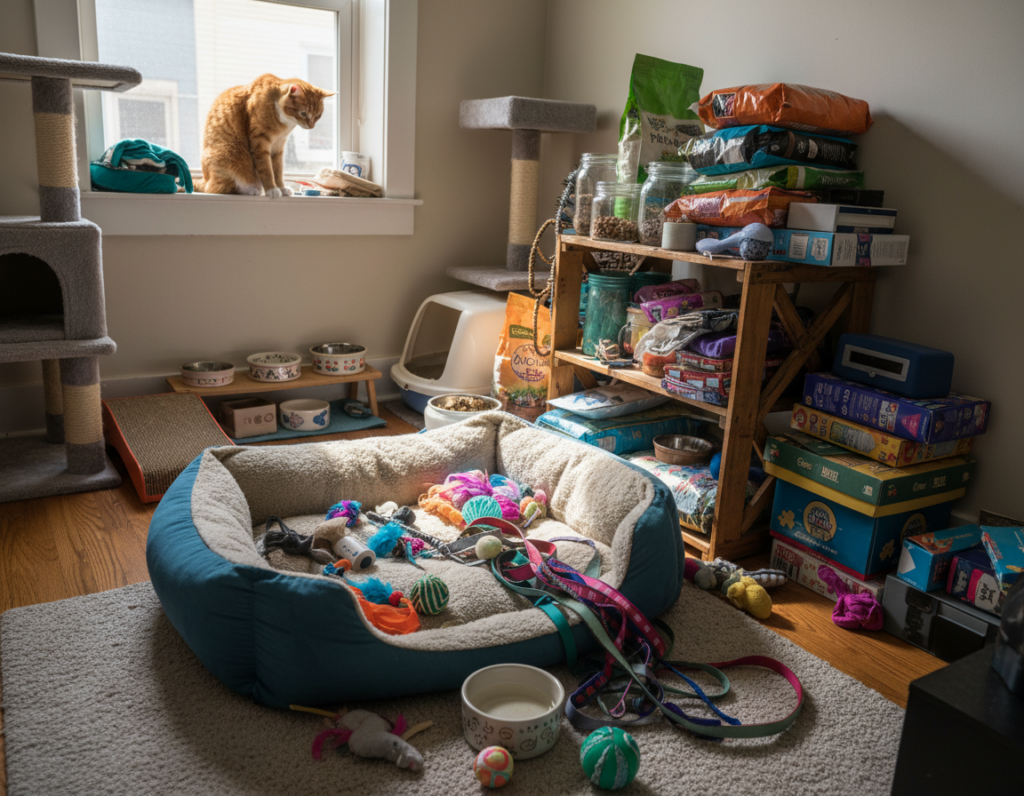
Living with two cats in a tight space demands a simple, reliable routine. The Humane Society notes that keeping a clean cat litter area is vital to reduce odor and keep pets comfortable. This short guide explains practical steps that helped maintain a fresh home.
Daily care and air work together. A good cat litter scoop and timely cleanups cut odors at the source. Pairing that with an air purifier keeps airborne particles down and makes the apartment feel fresher.
Accessing solid advice online can be interrupted by a page blocked extension. If research stalls, try disabling extensions so they can reach product reviews and vet tips. With focused effort, the right tools make it possible to keep home smelling pleasant even in a small space for both cats and people.
Key takeaway 1: Combine daily maintenance with an air purifier for best results.
Key takeaway 2: If a page blocked extension appears while researching, try disabling extensions to continue learning.
The Importance of Litter Box Hygiene
Simple daily habits around the litter container make a big difference in small homes. Clean boxes reduce odor and cut health risks for pets. The Humane Society notes that a tidy cat litter box lowers the chance a cat will reject it.
Daily Scooping Routine
He or she should scoop waste at least once each day. Prompt removal prevents ammonia and other strong gases from building up in the house.
Deep Cleaning Procedures
Every one to two weeks, wash the box with mild soap and warm water. Replace the cat litter fully on a regular schedule to avoid stubborn smells and waste buildup.
- Tip: Consistent cleaning keeps home smelling fresher and helps cats stay comfortable.
- If a page blocked extension appears while researching hygiene, try disabling extensions to access full guides.
- Establish a routine so boxes remain hygienic and easy to manage over time.
How to Control Litter Box Smell with Air Purifiers
A combined HEPA and activated carbon setup tackles both particles and gases from a pet area. HEPA captures 99.9% of fine particles while an activated carbon filter absorbs odors and volatile compounds near the litter box.
Place an air purifier near the tray so the unit filters air before contaminants spread through the room. Choose a model rated for the room size to keep continuous performance in a small space shared by cats.
The Alen BreatheSmart 75i is a good example; its filters typically last 12–15 months, offering long-term odor reduction without frequent replacement. Proper ventilation plus an air purifier helps manage cat litter smell in tight apartments.
- Tip: Look for combined HEPA and activated carbon filters to trap particles and gaseous odors.
- Placement: Near the litter box is best to catch odors at the source.
- Research help: If a page blocked extension appears while shopping for options, try disabling extensions to view full reviews.
Utilizing Activated Carbon for Odor Adsorption
More carbon in a cartridge increases the surface area available to adsorb waste gases. This makes a real difference when protecting a small home shared with cats.
How activated carbon works: Pelleted carbon captures gases like ammonia by locking them into tiny pores. That adsorption reduces airborne particles and unwanted odors near the litter box.
Choosing the Right Filter Capacity
When comparing products, look at carbon mass and pore type. For example, the EverestAir air purifier uses 400g of pelleted activated carbon, offering strong adsorption for typical two-cat setups.
The Levoit Core 400S with its Smoke Remover filter contains 450g of carbon. That higher capacity gives longer life and more surface area for trapping gases from cat litter and waste.
- Tip: Place an activated carbon filter near litter box areas to catch gases before they spread.
- Regular cleaning and timely filter replacement keep adsorption performance high.
- If a page blocked extension appears while checking specs, try disabling extensions to view full product details.
Strategic Placement for Better Ventilation
Choosing an open spot with steady airflow helps dilute waste gases before they build up.
The CDC notes that increasing ventilation reduces indoor air pollutants, including odors and particles from a litter box. Place a tray where air moves, not inside a closed cabinet or cramped corner.
Avoid locating the unit near HVAC intakes. That prevents odors from being carried to other rooms in the home.
Using an air purifier in a ventilated room helps by continuously filtering particles and gases. Choose a model with HEPA and carbon elements for best performance.
- Ventilate: Open windows or use exhaust fans when possible.
- Place well: Keep trays in open areas with steady cross-ventilation.
- Avoid HVAC: Do not put a tray directly under supply or return vents.
If a page blocked extension appears while researching placement, try disabling extensions to access a full ventilation guide.
Benefits of Using Litter Box Liners
A waterproof liner keeps waste and moisture from seeping into the plastic base, stopping long-term odor buildup. Liners form a simple barrier that shields the tray from stains and scratches. That protection helps the unit stay hygienic over time.
They also make full changes faster. Pulling a tear-resistant liner out takes minutes and reduces time spent scrubbing the bottom of the tray.
By preventing direct contact between waste and plastic, liners lower the chance of bacteria settling into hard-to-clean crevices.
He or she can choose high-quality, tear-resistant options for longer life. This simple step pairs well with carbon-filtered air and routine cleaning to keep the home fresher.
- Prevents seepage: Keeps waste and moisture from sinking into the plastic.
- Protects scratched surfaces: Shields trays that otherwise trap odors over time.
- Saves time: Faster full changes and easier maintenance.
- Research tip: If a page blocked extension appears while shopping, try disabling extensions to view the best options for your cat litter box.
Natural Deodorizing Techniques
Natural methods provide a safe way to reduce odors in small homes with pets. They work alongside routine cleaning and air filtration.
Using Baking Soda
Baking soda is alkaline and neutralizes acidic ammonia compounds found in cat urine. Sprinkle a thin layer onto the top of clumping litter after scooping.
Benefits: It is non-toxic, inexpensive, and won’t interfere with clumping action.
Activated Charcoal Pouches
Activated charcoal pouches contain porous carbon that attracts and traps ammonia and sulfur molecules.
- Placement: Hang pouches near litter box areas to absorb odor-causing compounds without fragrances.
- Replace pouches every 30–60 days to keep adsorption strong.
- If a page blocked extension appears while shopping for natural products, try disabling extensions to view the full list of recommended items.
Summary: Combining baking soda with activated carbon pouches helps keep the home fresher while remaining safe for cats and visitors.
Selecting the Right Type of Cat Litter
Not all substrates perform the same; choosing one that traps moisture and gases matters. High-performance options often contain activated carbon or baking soda to neutralize acidic waste and trap odor molecules.
Transitioning a cat to a new product should happen gradually over 5–7 days. Mix increasing amounts of the new material with the old so the pet accepts the change without stress.
“Pick unscented formulas if a cat shows sensitivity; fragrance can deter use and reduce overall performance.”
- Choose activated carbon blends for extra adsorption of ammonia and volatile compounds.
- Watch clumping performance to keep waste removal quick and effective.
- Opt for unscented options if cats are fussy about fragrances.
- If a page blocked extension appears while researching, try disabling extensions to view full product comparisons.
- Pair with an air purifier to boost air quality and reduce airborne odors in a small home.
Managing Multi-Cat Households in Small Spaces
When several cats share a compact apartment, layout and redundancy matter. A thoughtful setup reduces stress for pets and keeps indoor air healthier.
Calculating Necessary Litter Box Ratios
Rule of thumb: provide one litter box per cat plus one extra. That extra unit helps with busy times and reduces avoidance behaviors.
- Placement: Spread boxes across the space so each cat has private access.
- Air care: Use HEPA-equipped air purifiers near activity zones and another in the bedroom to capture particles and odors.
- Model picks: For heavy odor loads, the Austin Air HealthMate offers 15 lbs of activated carbon. For small rooms, the AirFanta 3Pro delivers a PM1 CADR of 353 cfm.
- Use multiple units in larger layouts so a purifier can trap contaminants close to each box area.
- If a page blocked extension appears while researching ratios, try disabling extensions to access full guides.
“Right-sizing both amenities and air cleaners makes shared living calmer for cats and people.”
Health Considerations for Indoor Air Quality
Indoor air quality directly affects both human and feline respiratory health in small apartments.
Exposure to ammonia from cat waste can cause headaches, nausea, and, in severe cases, lung irritation. Long-term exposure increases risk for more serious conditions.
Proper filtration and ventilation make a measurable difference. An air purifier with HEPA plus an activated carbon filter removes particles and toxic gases that ordinary fans cannot.
- Health tip: Use air purifiers near the litter box area to cut airborne particles and ammonia.
- Keep a strict cleaning schedule and ventilate the room to limit pollutant buildup over time.
- Be aware of infections tied to cat waste, such as toxoplasmosis, and maintain hygiene for safety.
- If a page blocked extension appears while researching health guidance, try disabling extensions to access full safety recommendations like this odor elimination guide.
“Investing in high-quality air purifiers and regular cleaning protects both people and cats from the risks of poor indoor air.”
Conclusion
A focused routine plus a strong purifier delivers reliable results in compact living spaces. Daily cleaning paired with an air purifier that includes activated carbon handles most airborne and gaseous waste. He or she will find that keeping cat litter fresh becomes easier with consistent effort.
Place the purifier near litter box areas to maximize performance. Add baking soda or charcoal pouches as natural options for extra support. If a page blocked extension appears while researching products, try disabling extensions to view full reviews.
With steady upkeep and the right tools — HEPA filtration and robust activated carbon — one can keep home smelling pleasant for both people and cats. Consistency is the real advantage in multi-cat one-bedroom living.