The following guide offers a clear comparison to help readers decide between cat tree vs wall shelves and other vertical options. It frames the debate for busy households and apartments. The overview is practical and focused on real choices.
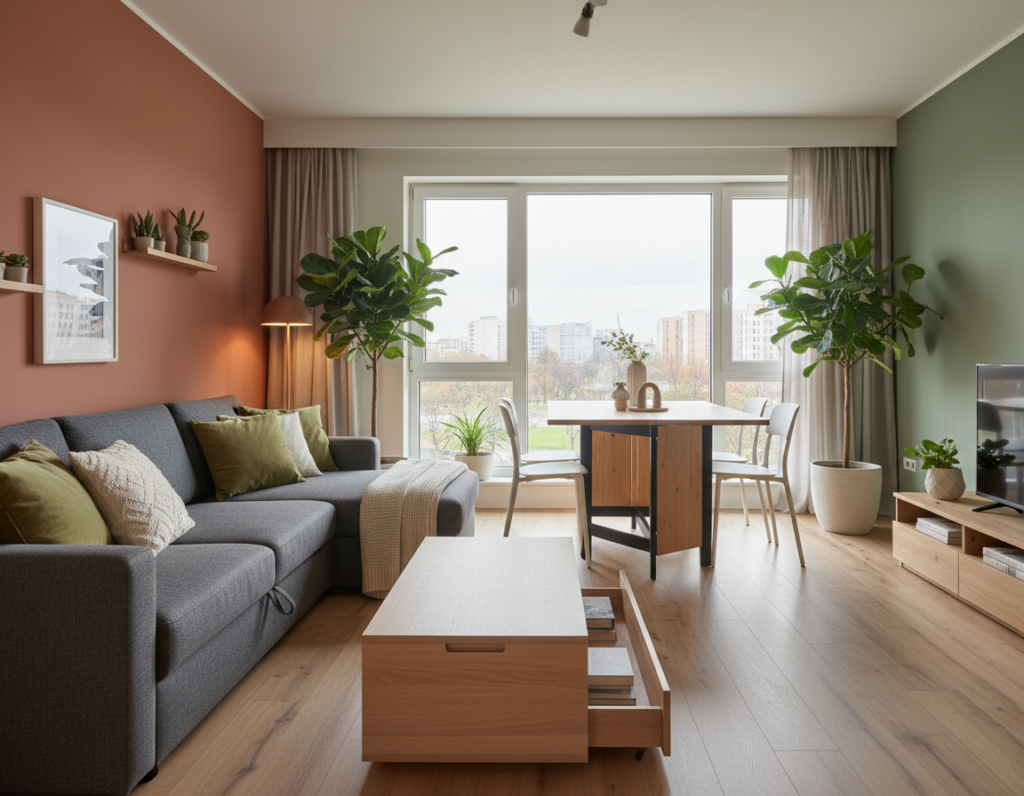
Limited floor space and compact furniture needs shape which solutions work best in a modern home. This short section explains how space, floor layout, and aesthetic goals affect selection. It also notes how the right solution blends into decor while giving the animal room to climb and observe.
Proper installation matters. The Refined Feline backs premium pieces with a 60-day satisfaction guarantee, and owners should plan carefully to protect their pet. Taking a little extra time up front often pays off in long-term safety and happier behavior.
Understanding the Instinctual Need for Vertical Territory
Height matters: elevated spots meet deep-rooted survival behaviors in pets. Providing secure places off the floor mirrors the vantage points wild animals use to watch, hunt, and avoid danger. This simple change has big effects at home.
Evolutionary Instincts
Elevated perches satisfy instincts that push a cat to climb. In nature, height offers safety and a view for spotting prey or threats. Modern trees and shelves recreate that feeling in a domestic setting.
Reducing Stress
Vertical territory gives animals a way to retreat without leaving the room. Research shows that access to elevated areas lowers conflict and stress in multi-pet households.
“Access to high spots helps animals feel safe and in control.”
- Natural separation: a cat wall system creates private zones.
- Psychological benefit: clear territory reduces tension among cats.
- Environmental fit: vertical space lets felines climb while conserving floor area.
Analyzing the Cat Tree vs Wall Shelves Debate
Urban dwellers now decide whether vertical fixtures or full floor units suit limited living spaces. The debate pairs long-standing freestanding structures, which trace back to simple scratching posts in the 1970s, with mounted pathways that rose in popularity after the 2010s.
Freestanding options often bundle beds, perches, and scratching surfaces into one ready-to-use package. They save time and work well for pets that prefer an immediate, all-in-one play area.
Mounted systems emphasize saving floor area and visual minimalism. Homeowners can customize routes and add platforms to match room layout and decor.
“Choosing the right system means matching the furniture to the animal’s climbing habits and the home’s layout.”
- Space impact: trees occupy floor area; wall shelves free it up.
- Flexibility: shelves offer staged customization; trees offer instant completeness.
- Aesthetic trade-off: many prefer the clean look of mounted pathways; others like the presence of a tower.
This short comparison guide shows that the best choice depends on the pet’s needs and the room’s constraints. Evaluating behavior, access, and safety will point owners to the right solution.
Benefits of Installing Cat Wall Shelves
A thoughtfully arranged set of platforms can turn an empty wall into an active climbing network. This approach frees floor area and creates a safe vertical playground for pets without bulky furniture.
Customizable Pathways
Modular systems let owners plan step patterns that match room flow and pet habits. Each shelf can form a deliberate route of platforms and steps that encourage healthy climbing and exploration.
- Start with one shelf and expand the system over time.
- Mount into studs for secure installation and better load support.
- Options range from solid wood platforms like The Refined Feline’s Lotus Branch (5-foot, supports 50 lb) to powder-coated steel units such as Cat Clouds (supports 70 lb).
Modern Minimalism
Clean design blends the installation into contemporary interiors. These solutions deliver purposeful utility while staying visually light and unobtrusive.
“A mounted pathway saves floor space and acts as subtle functional decor.”
Proper planning ensures the system supports larger pets and complements home design. When installed correctly, a single cat shelf becomes a durable, stylish step toward enrichment and better use of vertical space.
Advantages of Traditional Cat Trees
Freestanding towers deliver compact, immediate enrichment without altering walls or studs. They combine perches, scratching posts, and hidden cubbies into a single, stable piece of furniture that sits on the floor.
All-in-One Functionality
These units are ideal for renters and anyone who prefers no-drill installation. They arrive ready to use and can be moved to new rooms or apartments with minimal effort.
The Refined Feline’s Lotus Cat Tower is an example of premium design: a 69-inch architectural piece with a cushioned cubby that offers security and multiple climbing platforms. It provides scratching posts and hammocks without wall modifications.
- Mobility: freestanding options let owners rearrange space without leaving holes.
- Protection: integrated scratching posts help save other furniture from damage.
- Immediate use: a high-quality tower gives enrichment right away, no complex installation needed.
“A single, well-designed tower can deliver climbing, rest, and play in one compact footprint.”
Evaluating Space Optimization in Small Apartments
Small apartments demand smart choices that free floor space while keeping pets active.
Start by measuring usable floor area. That helps decide whether a compact tower or mounted route fits the room. In many units, wall-mounted solutions deliver more than 10 square feet of climbing territory while using zero floor space.
Consider the Metropolitan Cat Condo, a 62-inch tall option that offers a slim footprint for people who prefer a vertical tower. It gives elevation without swallowing a whole corner.
“Maximizing vertical space preserves walking paths and keeps living areas functional.”
- Evaluate floor space first: measure and mark likely locations before buying.
- Prioritize vertical space: mounted routes save room and keep traffic clear.
- Balance scale and design: a sturdy cat trees model can work if it matches the room’s scale.
With careful planning, apartments can support enrichment and stylish design while protecting precious floor area.
Installation Requirements and DIY Considerations
A secure setup begins with planning that matches hardware to stud layout and pet habits.
Stud Mounting Essentials
Successful installation of cat wall shelves depends on anchoring brackets into studs. The Refined Feline supplies hardware sized for standard 16-inch stud spacing.
Installers need a drill, a stud finder, and basic carpentry skills. Space between each shelf must allow safe jumping from one step to the next during regular climbing sessions.
Rental-Friendly Alternatives
Renters who worry about damage have options. Freestanding towers, tension-mounted poles, or removable adhesive brackets reduce holes while still creating vertical space in apartments.
Before you begin: ask the landlord or hire a pro if unsure. Taking the time for a proper setup ensures the system stays stable for years of daily use.
“Proper anchoring and correct shelf spacing make elevated routes safe and durable.”
- Mount into studs for maximum security.
- Consider removable options for renters or temporary homes.
- Hire a professional if DIY feels risky.
Comparing Design Aesthetics and Home Decor
A well-chosen climbing installation can read as furniture rather than a pet accessory. The Refined Feline pairs high-quality oak veneer with sleek metal frames so pieces complement modern interior palettes.
Minimalist options like mounted wall shelves offer a clean silhouette. They reduce visual bulk and keep floor area open for everyday use.
By contrast, carpeted cat trees can become focal points. When finished in matching wood tones or neutral fabrics, a tower can act as a statement piece that fits the room’s color scheme.
“Modern pet furniture now reads like upscale shelving or crafted decor.”
- Choose wood finishes to coordinate with cabinetry and shelving.
- Place a single tower where it matches scale and color for a cohesive look.
- Use mounted routes to maintain a light, architectural feel in small spaces.
Matching materials and scale ensures the furniture feels like part of the home, not an afterthought.
Supporting Multi-Cat Households with Vertical Space
Managing several pets in one home requires deliberate vertical planning to prevent stress and conflict. Veterinary behaviorists recommend vertical separation as a primary tool for households with two or more cats.
Territory management focuses on giving each animal clear, elevated options. A well-planned cat wall system lets shy individuals observe from a safe perch while more confident ones patrol other platforms.
Territory Management
Provide multiple levels so pets can avoid face-to-face encounters on the floor. The Metropolitan Cat Condo has large platforms that allow multiple cats to perch without crowding.
- Reduce aggression: vertical routes help lower territorial conflict in multi-cat homes.
- Individual space: dedicated platforms give each animal a distinct spot to claim.
- Flow and safety: mixing mounted shelves and freestanding trees lets pets move around without crossing paths.
“Vertical territory offers shy animals a safe place to observe and relax.”
Investing in a balanced system of perches and steps supports harmony and makes the home calmer for everyone.
Maintenance and Longevity of Cat Furniture
A structured maintenance plan makes pet climbing installations last for years. Regular checks and quick repairs stop small problems from becoming hazards. Simple routines protect both the animal and the investment.
Owners should inspect each shelf and post every few weeks. Look for loose screws, frayed ropes, and worn carpeting. Replace pads or scratch pads as needed to keep surfaces safe.
The Refined Feline offers replaceable components that extend product life. Swapping a carpet pad or a scratch pad is faster than replacing a full unit and reduces waste.
- Quick wins: tighten fasteners and rotate perches to even out wear.
- Material choice: quality wood and robust posts resist damage longer.
- Safety checks: confirm installation anchors and bracket stability after heavy use.
For more on selecting durable options and upkeep tips, consult the detailed maintenance guide. Consistent care saves time and money while keeping the household safe and enriched.
Cost Analysis and Long-Term Value
A clear cost picture helps owners pick a setup that fits both budget and long-term needs.
Starter pricing for a basic cat wall shelves system ranges from $100 to $200. A complete room installation with multiple platforms can exceed $500 when brackets and pro labor are included.
Initial cost for many cat trees appears lower, especially basic towers under $100. However, premium towers that combine perches and durable posts can match mid-range wall systems in price.
Long-term value often favors a modular wall system. Owners can expand the system over months and replace single components as they wear. That spreads cost and reduces waste.
- Scalable investment: add platforms over time to grow territory.
- Replacement parts: modular systems let owners swap pads instead of replacing entire furniture pieces.
- Immediate function: a premium tower gives instant play but may need full replacement as it ages.
“The best option balances upfront price with durability and the ability to repair or expand.”
When comparing options, prioritize material quality and repairability. The right setup fits the home, supports enrichment, and stays within budget.
Safety Standards for Elevated Climbing Systems
Proper anchoring and clear load limits form the backbone of a safe elevated climbing system. Quality wall-mounted cat platforms must be mounted into studs to withstand dynamic forces generated by jumping, which can reach three times an animal’s body weight.
Always check the manufacturer’s weight capacity before installation. Some premium systems and wood platforms list support up to 70 pounds, suitable for larger breeds.
Placement matters: position a shelf or shelf cluster so falls are short and landing areas are clear of fragile furniture or obstacles.
“Safety is the most important factor when installing any elevated climbing system.”
- Attach into studs: prevent wobble and tipping during energetic play.
- Adapt spacing: closer platforms help senior or mobility-impaired pets climb more easily.
- Inspect regularly: tighten fasteners and replace worn pads to keep the system reliable.
By following strict safety standards for installation, load capacity, and maintenance, owners create secure vertical space where their feline companions can climb, rest, and explore with confidence.
Creating a Hybrid Environment for Maximum Enrichment
A hybrid setup blends a stable floor tower with mounted pathways to create a seamless climbing network across a room. This method uses a tree as an on-ramp that connects to a series of cat wall shelves, encouraging exploration without sacrificing stability.
Why it works: the tower offers a sturdy launch point for jumps. The mounted platforms expand reachable territory and add vertical options for resting and observation.
Benefits for multiple cats: multiple activity zones reduce tension and let each animal claim a safe perch. Thoughtful placement helps manage territory and eases conflict in multi-cat homes.
“A well-planned hybrid system turns a single room into a three-dimensional playground.”
- Combine stable floor units with wall shelves to diversify textures and heights.
- Use the tower as a starting point to reach higher shelves and platforms.
- Plan installation for safe jumps and clear landing zones to protect furniture and pets.
Installation tip: anchor higher platforms into studs and space steps for confident climbing. Over time, this setup keeps pets mentally and physically engaged while fitting interior design and saving floor space.
Conclusion
A practical choice balances living space, durability, and the companion’s personality. Choosing between cat trees and cat wall shelves depends on available floor area, budget, and how the animal likes to climb and rest. Trees offer quick setup and portability. Mounted platforms save floor space and scale over time.
This guide aims to simplify those options so owners can pick cat furniture that fits their home and lifestyle. In the end, the best selection is the one the pet uses daily. Thoughtful placement and proper installation make any choice a long-term win for health and happiness.