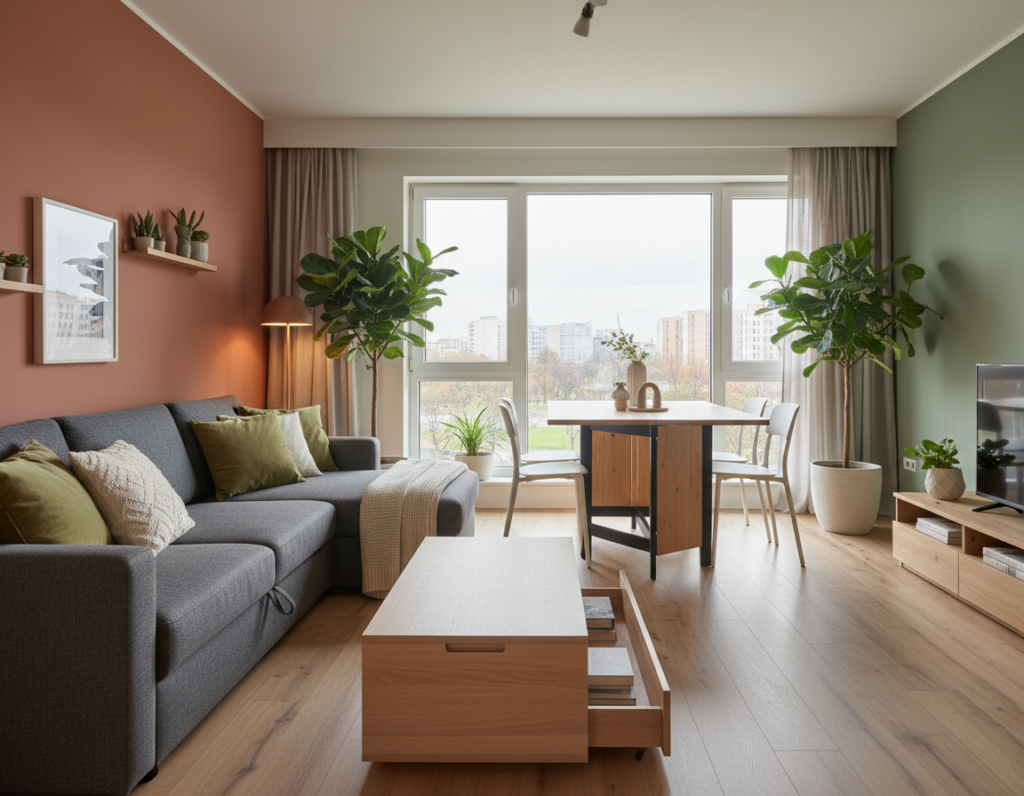
A compact living area can still be a thriving home for two feline companions. With smart planning, vertical territory and clear zones, they get control and predictability. Experts note one cat needs about 20 square feet to meet basic needs, and thoughtful design makes shared space comfortable.
They can expand usable room by using wall shelves, tall trees, and furniture that doubles as perches. This approach reduces clutter while giving each cat distinct resting and play spots. Owners should watch behavior and adjust when one feline seems stressed.
Practical strategies—like zoning for sleep, food, and hygiene—help two cats coexist without crowding. For detailed space-saving ideas and a real-world example, see this useful resource on living with two felines in tight quarters.
living with two cats in a
Understanding the Feasibility of Small Apartment Living
Many owners worry that limited floor space will harm a cat’s wellbeing, but practical enrichment solves much of that concern.
Living in a compact apartment does not mean unhappiness. Proper daily play and vertical amusement keep cats engaged. Active routines reduce the risk of obesity, a top feline health issue reported by VCA Hospitals.
“Over 60% of indoor cats in the US are overweight.”
Careful planning matters. A studio can be a fine home when shelves, perches, and toys create varied territory and entertainment. Intentional choices cut stress and prevent behavior problems.
- Make time for interactive play every day.
- Offer retreat spots so each cat can feel safe.
- Use reliable online links for layout ideas and product reviews.
With thoughtful design and daily stimulation, many people successfully keep multiple cats in compact living spaces.
Maximizing Vertical Space for Your Cats
Giving felines layered levels turns empty wall space into play and rest zones. This approach keeps floor space clear while adding exercise routes and lookout points.
Wall-Mounted Shelving Options
Install staggered shelves and perches so each cat can move without crowding. Cats love to be up high, so a dedicated shelf with a soft bed often becomes a favorite nap spot.
Consider proven products like the Katris Mix & Match scratcher, which mounts on the wall and doubles as a climbing and scratching surface. For a no-drill option, K&H Pet Products makes an over-the-door tower that saves floor space in a tight home.
Utilizing Window Perches
Window perches add enrichment with minimal footprint. A secured perch gives cats a sunny watch post and reduces boredom. Always fasten cat climbing systems and wall-mounted furniture to studs or anchors to ensure safety.
- Use vertical cat climbing paths to increase usable space.
- Add a scratching element to wall furniture to meet instincts.
- Place a bed on a high shelf for quiet daytime naps.
Strategic Placement of Essential Resources
Thoughtful placement of food and litter areas prevents conflict and keeps the living space fresh. Designated zones give each cat predictable access and reduce stress. Simple layout changes make a big difference in daily life.
Separating Food and Litter Areas
“Cats need their litter box away from traffic and their food in a convenient spot.”
Vets recommend one extra litter box per household pet, so two cats should have three litter boxes. Place boxes in quiet, private corners to respect feline privacy and reduce avoidance.
- Keep food and water well away from any litter box to match natural instincts.
- Hide a box in a piece of furniture to save floor space and improve room aesthetics.
- Use a door bracket to keep a closet slightly open as a discreet litter box option.
- Pair a scratching post with a cat climbing route to save floor area and add fun.
- Clean litter boxes daily and use an engaging toy during feeding time to keep cats calm.
These small changes help people manage resources efficiently and keep the home clean and calm for two cats.
Implementing a Small Apartment Cat Setup
Begin with a simple floor plan that places vertical perches, feeding stations, and private retreats in distinct spots. This gives both cats clear routes and lowers resource tension.
Prioritize vertical space by adding a basic climbing structure first. A wall shelf or tall tower creates new territory without stealing floor area. Many owners start here and expand as needs become clear.
Keep food areas separate from litter and quiet from busy walkways. Place bowls where cats can eat undisturbed and locate litter boxes in low-traffic corners to respect privacy.
- Map zones: sleeping, playing, eating.
- Choose multifunctional furniture: perches that double as shelves.
- Use vetted links to find reliable product options for home organization.
After setup, monitor interactions closely. Adjust perch heights, move food stations, or add hiding spots until both cats show calm, confident behavior. Small changes can make the home work well for two.
Managing Litter Box Odor and Hygiene
Good hygiene and fresh air make a big difference when two felines share limited living quarters.
Choosing the Right Litter Box
Pick litter boxes that match both pets’ needs. Many owners choose a mix of open and covered options so each cat can choose what feels safe. Provide at least three litter boxes for two cats to reduce conflict and maintain cleanliness.
Consider a system like the Tidy Cats Breeze as an effective option for odor control in tight room layouts. Also, add a little activated charcoal to litter to cut smells without heavy fragrances.
Air Purification Strategies
Air filters help keep the home smelling fresh. The QAIS-air-04 is a recommended product because it is wall-mounted and avoids regular filter swaps.
- Scoop the litter box at least once a day to prevent odors from building up.
- Mount an air purifier on the wall to save floor space and improve circulation.
- Watch pets over time to make sure they accept a covered box or a new location.
“Daily scooping and a good purifier are the simplest, most effective defenses against litter odor.”
These small changes make the shared space cleaner and calmer for both cats and people.
Selecting Multifunctional Furniture for Two Cats
Opt for furniture that blends human function with feline needs to keep common areas tidy and useful.
Choose dual-purpose pieces. Look for side tables with hidden beds or benches that double as storage. These items free up floor space and give cats private nooks.
Combine climbing and scratching in one product whenever possible. A tower that includes sisal posts and platforms serves both play and grooming instincts.
Wall-mounted cat furniture is especially efficient. Shelves, hammock beds, and modular panels let cats climb and rest without claiming living area on the floor.
- Pick durable, washable materials for easy cleaning.
- Verify weight ratings and anchoring points to keep pieces safe for two cats.
- Consider designs that include a hiding spot; many pets prefer an enclosed retreat.
Research before you buy. Read reviews and confirm the brand uses sturdy fasteners. Quality products last longer and protect the home and pets.
Promoting Daily Exercise and Mental Stimulation
Structured play and brain games turn limited living areas into lively, engaging environments for two felines. Short, focused sessions raise heart rate and build a bond without taking floor space away from people.
Interactive play techniques work best when repeated daily. Vets recommend at least 10 minutes a day of active play to keep pets fit and calm.
Interactive Play Techniques
Use a wand toy to encourage jumping and cat climbing. Rotate toys every few days to keep interest high.
Food puzzles add mental challenge while slowing eating. They are a practical way to combine feeding and play.
Training for Mental Engagement
Short training sessions with positive reinforcement teach tricks and reduce boredom. Teaching simple tasks gives cats confidence and mental exercise.
Exercise Wheels
An exercise wheel is a good option for very active pets. It gives a steady outlet for energy when outdoor time isn’t available.
“Ten minutes of play can change behavior and improve health.”
- Play with each cat daily for at least 10 minutes.
- Place a comfortable cat bed near a window for visual entertainment.
- Rotate toys and add a food puzzle to keep things stimulating.
- Consider an exercise wheel as an addition for high-energy pets.
Maintaining Safety and Preventing Clutter
Regularly clearing pathways and anchoring items reduces accidents for curious pets.
Keep cleaning products pet-safe. Use non-toxic sprays and rinse residues from floors and counters. This protects both the human and the cat in the home.
Make a habit of removing loose objects from ledges and walkways. A tidy space cuts the chance of falls and broken items.
Choose durable, stable furniture designed for pets. Good cat furniture organizes toys and beds, and prevents tipping when cats leap or land.
- Mount shelves to studs or use rated anchors so the wall holds weight safely.
- Inspect furniture joints and fasteners every few months for wear.
- Store breakables high or in closed cabinets to keep them out of reach.
Finally, perform a quick hazard check weekly. Look for loose cords, toxic plants, or small items that could be swallowed. These small steps make the home calmer and safer for both cats and people.
Handling Apartment Policies and Wall Repairs
Confirming permission to mount shelves or hardware saves time and protects the security deposit. Tenants should read lease rules and ask management before attaching anything to the wall. This step avoids surprises and keeps relations positive.
Repairing Drywall for Security Deposits
Repairing drywall is straightforward with a putty knife and joint compound. A good patch, sand, and a touch of paint can make holes disappear.
- Always check apartment policies before installing furniture or a shelf so rules are followed.
- Ask the office for a pint of matching paint to touch up after removing shelves or a post.
- Keep dated photos and receipts of modifications to show when moving out.
- Find links and videos online that show how to patch drywall for a professional look.
- Consider a pet door option only after management approval, especially for sliding door installs.
“A clean, professional repair is the best way to ensure the deposit is returned.”
Because cats love to climb, wall-mounted perches are a great option—but tenants should restore the wall properly when they leave.
Conclusion
, Smart choices in furniture, play, and hygiene make shared living areas peaceful and rewarding. Use vertical perches and multifunctional pieces to free floor space and craft a welcoming home for two cats. Keep designs tidy so circulation stays easy and stress stays low.
Prioritize daily interactive play and a clean litter box; those are the simplest, most effective ways to keep each cat healthy. Adapt ideas to personalities so solutions truly work. With a little planning, even small spaces can support two content companions who thrive together.