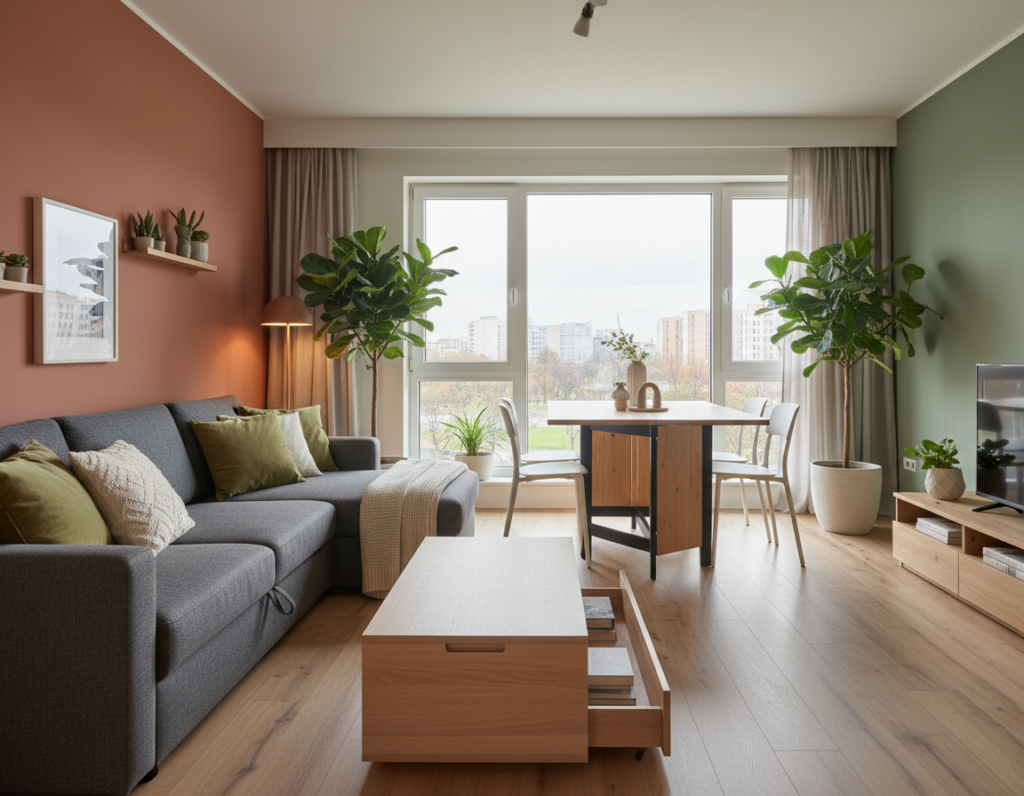
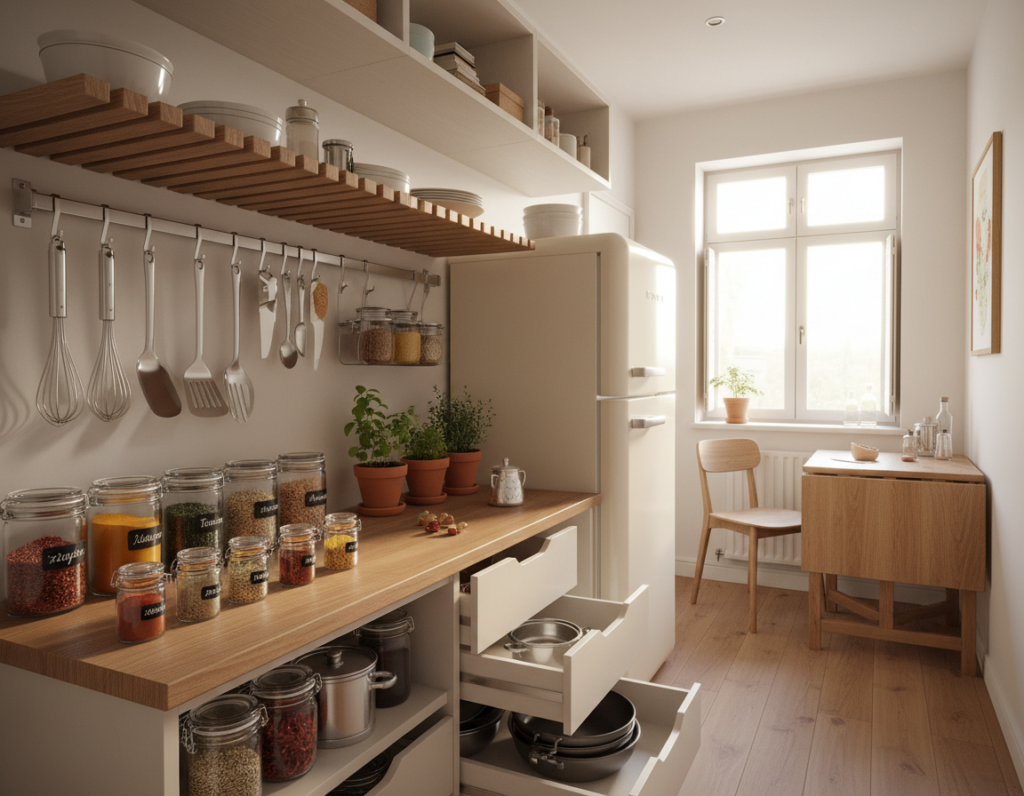
Living in a 600 square foot apartment often means making the most of vertical space. Tenants and a renter alike need options that protect lease agreements while keeping pets active.
Small spaces can still provide rich play zones. Installing freestanding shelves, tension-mounted posts, and modular platforms gives cat owners a practical solution that avoids permanent damage to walls.
These setups redirect natural instincts away from curtains and expensive furniture. Modern cat furniture blends with decor and helps maintain mental and physical health for cats.
In short: smart vertical installations make a compact home feel larger and more engaging. They support activity, protect walls, and preserve the lease while keeping a cat happy and fit.
The Importance of Vertical Space for Apartment Cats
Vertical zones in a compact apartment let pets claim space without taking up floor area. This matters because animals use height to mark territory and feel secure in a small home.
Providing a dedicated cat wall or series of platforms gives clear boundaries. When elevated options exist, pets can watch activity, rest, and avoid confrontations on the floor.
Research shows these instincts drive many behaviors. Without proper vertical access, animals often turn to scratching poor surfaces like expensive furniture or low fixtures, which damages the wall and décor.
Adding height reduces stress-related behaviors and boosts confidence. Elevated pathways let pets observe from a safe vantage, which calms them and improves engagement with the household.
In short: thoughtful use of vertical space protects interiors, supports natural needs, and keeps both residents and pets more relaxed.
Renter Friendly Cat Climbing Ideas for Small Spaces
Smart vertical choices let residents add play zones without drilling into walls. These approaches save deposits and keep interiors intact.
Tension-mounted systems secure between floor and ceiling. They provide sturdy platforms and poles while avoiding fasteners in the wall. Proper installation following the manufacturer’s tips keeps platforms safe for active cats.
Tension-mounted systems
- Stable posts that fit small space footprints
- Modular shelves that link into a lightweight route
- Manufacturer instructions ensure safe load limits
Adhesive-backed platforms
- Removable product options for a temporary cat shelf
- Floating cat shelves give a minimalist look with climbing access
- Combine with sisal pads for designated scratching spots
“Choose solutions that protect walls and match your decor.”
Utilizing Freestanding Cat Towers
A tall, freestanding tower can multiply play levels while using the footprint of a side table. A six-foot tower, for example, offers multiple perches and platforms but occupies minimal floor area. That makes it a practical option for small apartments and spaces where attaching shelves to the wall isn’t possible.
Selecting height-focused designs
Choose pieces that prioritize vertical space. Look for a sturdy base and dense materials so the unit resists wobble during active play.
- Height-focused designs create several perches and climbing routes without a large footprint.
- Quality products often include scratching posts and a built-in cat shelf for rest and grooming.
- Compare price and stability: a slightly higher cost for a well-built piece avoids replacement later.
Tip: When planning a small indoor cat playground, place towers near a window or away from fragile walls to give pets views and security. For more ideas on integrating vertical solutions without altering surfaces, see how to catify your apartment.
Incorporating Hidden Litter Box Furniture
Concealed litter box furniture offers a neat, organized solution for households with pets. A purpose-built cabinet hides the box and creates a private spot where cats can go undisturbed.
Many designs include storage compartments for cat food and supplies. This keeps bags, scoops, and liners tucked away and makes the unit multi-functional.
Placing the piece in a corner helps control odors and keeps the area near the wall clean. It also makes efficient use of limited space in small homes.
Look for models with a discreet entry and good ventilation. A low, private opening lets cats enter without feeling exposed while reducing tracked litter outside the cabinet.
- Concealment: Keeps litter out of sight for a tidy room.
- Storage: Holds cat food and supplies for easy access.
- Placement: Corners near a wall control odors and save floor space.
Tip: Choose cat furniture that complements your decor so function and style work together.
Strategic Placement of Scratching Posts
Placing scratching posts with purpose protects surfaces and supports natural behavior. A small plan goes a long way in a compact home.
Vertical sisal posts
Vertical posts wrapped in sisal rope stand as the best defense against damaged wall sections. Sisal is more durable than carpet and satisfies instinctual needs.
Position tall posts near favorite perches and windows so the post becomes the preferred spot to stretch and mark territory.
Horizontal scratch pads
Horizontal pads belong close to sleeping areas because cats like to scratch where they nap. That placement encourages healthy habits and protects upholstery.
Rotate pads and posts periodically to keep things novel and maintain interest in the cat playground.
- Best way: Place vertical sisal posts by sofas and beds to protect furniture.
- Horizontal pads near beds and carriers encourage regular use.
- Providing these pieces gives cat owners peace of mind and a cleaner living space.
“A few well-placed posts steer claws away from valuables and make pets feel secure.”
Designing a Safe Cat Wall Without Permanent Damage
A thoughtfully designed wall system balances durability, safety, and minimal impact on home finishes.
Placement matters: start the first cat shelf or hammock about 12–14″ off the ground so pets can hop up easily and build confidence. Higher perches can follow, but stagger levels to create comfortable routes.
Mounting into solid structures is essential. Always install floating cat shelves into studs, concrete, cement, or brick.
Use proper anchors to secure each shelf and avoid fasteners that rely on drywall alone. The right anchors protect walls and keep the product steady during active play.
- Mount shelves into studs or solid masonry for the best support.
- Test every piece of cat furniture before allowing pets to use it.
- Consider the price of well-made wall shelves; quality reduces risk and lasts longer.
Tip: follow professional installation guidelines and manufacturer instructions. With correct anchors and placement, a diy cat wall can protect walls while providing safe, lasting enjoyment for cats.
Understanding Your Cat’s Unique Climbing Needs
Every feline has distinct mobility and curiosity; design choices should match those traits. A short assessment of movement, confidence, and joint health helps set shelf spacing and route difficulty.
Kittens and high-energy pets
Kittens and very active animals benefit from taller, varied routes. Provide multiple levels, sisal posts for scratching, and platforms that form a playful indoor cat playground.
Space steps about 12–18 inches apart depending on size and fitness so young climbers can leap safely.
Older or disabled animals
Senior pets need smaller gaps and lower perches. Install shelves closer together and include ramps or wide ledges to reduce strain on joints.
Sturdy cat furniture and secure anchors on the wall improve confidence and lower injury risk.
Timid pets
Shy animals prefer hiding nooks and higher vantage points. Add covered boxes and quiet platforms so they can observe the home without pressure.
“Tailor the diy cat wall to your pet’s size and temperament for daily comfort and exercise.”
- Match shelf height to size and fitness.
- Include scratching surfaces near key routes.
- Blend safety and playful features into existing furniture.
Navigating Corners and Doorways in Rental Units
Corners and doorframes are prime real estate for building compact perch networks.
Locate wall studs before any installation. All wooden doorframes are framed with 2″x4″s, so mounting into that frame gives a secure anchor for a cat wall or a series of perches.
Use 34” slotted shelves to bridge an inside corner and link routes. These shelves make it easier to run a continuous path along the side of a doorway without heavy modification to walls.
When installing a cat shelf around a doorway, consider adding a 2″x4″ support inside the frame. That simple step lets perches and small bridges carry weight safely.
Corners save space and give cats a great vantage point. The modest price of corner bridges and purpose-built furniture is often worth the added activity they provide.
“Ensure the diy cat layout allows clear movement and does not block access to cat food or daily routes.”
- Find wall studs for secure mounts.
- Use slotted shelves to link corners.
- Add a 2″x4″ frame for doorway routes.
Managing Routes and Blocking Unwanted Areas
Clear route planning keeps high-traffic zones off-limits and preserves household gear. Mapping paths on a cat wall helps prevent pets from reaching electronics or food storage. Simple changes steer movement and protect valuable items.
Using fabric barriers is a low-cost, reversible way to block specific shelf runs. Curtains, canvas panels, or snap-on covers create temporary walls that stop access without drilling.
Practical tips for controlled routes
- Create awkward gaps or staggered shelves so heavier cats get fewer easy launches.
- Place a fabric panel near the TV or cat food area to discourage direct approach.
- Use soft barriers where perches meet furniture to protect sofas and stands.
- Remember: the price for these additions is small compared with repair or replacement costs.
“Careful planning of each cat shelf keeps the wall active and the room safe.”
Essential Tips for Successful Installation
A clear checklist helps ensure each shelf and post is safe and stable. Start by measuring and marking the planned layout. Aim for 12–16″ horizontal gaps and 12–18″ vertical spacing between platforms to suit most climbers.
Use reliable anchors and mount each cat shelf into wall studs or solid framing. This prevents wobble and keeps the product secure during play.
Check the price of materials before beginning. Consider buying a gift card for extra supplies so small costs do not delay the project.
Place scratching posts and floating cat shelves with purpose. Correct spacing builds a safe indoor cat playground and reduces risky jumps.
- Anchors: fasten wall shelves into wall studs whenever possible.
- Spacing: follow the 12–16″ and 12–18″ guidance for easy movement.
- Product checks: inspect each piece and test load limits before regular use.
If installation feels uncertain, consult a professional. Proper installation protects walls, furniture, and keeps the pet happy and active.
“Following these tips builds a durable cat playground that protects your home and keeps pets safe.”
Conclusion
Starting with a few secure perches helps pets gain confidence while preserving apartment finishes. This approach protects the security deposit and improves daily life for the animal.
By choosing quality cat furniture and following proper installation guidance, residents can build a safe vertical environment. The price of good materials is small compared to long-term health and happiness.
If a thoughtful present is needed, a gift card to a specialty furniture store makes a practical choice for any owner. Begin small, watch preferences, and expand the system over time.
How to build DIY cat wall offers step-by-step tips for a safe start.