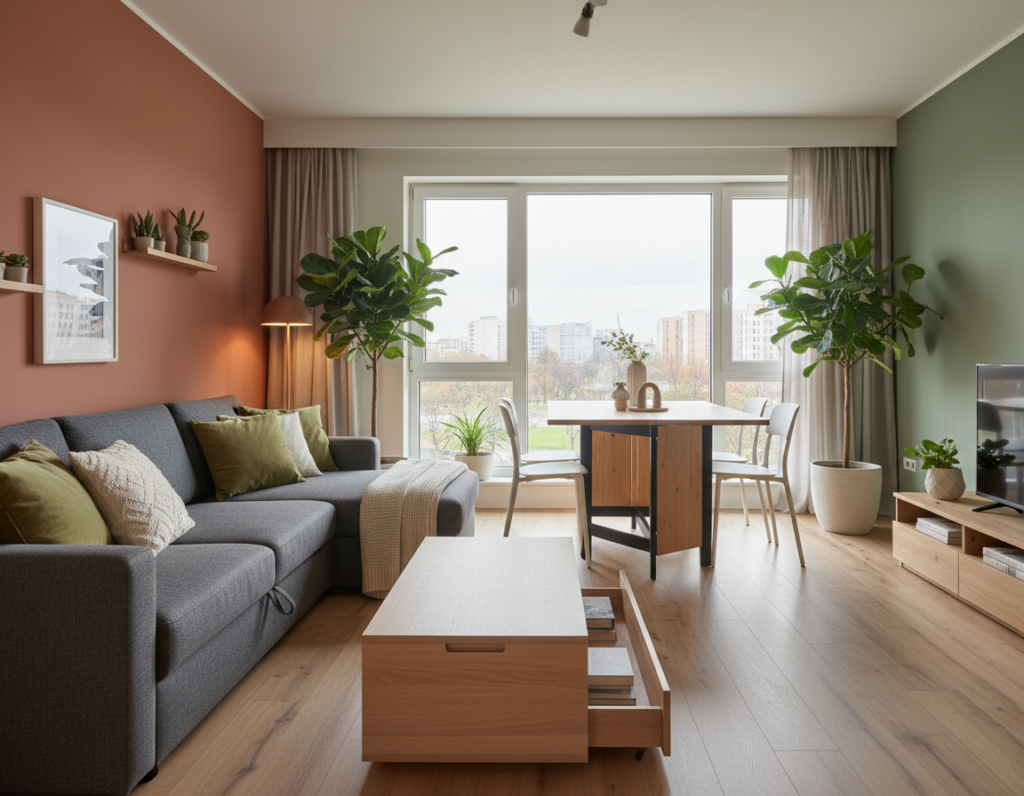
Living in an apartment calls for clever use of every inch. Shamontiel, who has walked 101 dogs across 631 outings, notes that clear zones make daily routines easier.
With smart storage choices, an entryway can hold leashes, bowls, and shoes without feeling cluttered. Simple hooks, a narrow shelf, and tucked bins keep items accessible and out of the way.
Design that respects both human and dog needs preserves calm in tight quarters. Taking a little time to organize turns tight space into a calm, useful entry point.
These ideas aim to help busy people keep essentials handy and maintain an inviting apartment feel. For quick, practical hacks, see this entryway organizing guide.
Establishing a Pet-Friendly Routine
A clear, repeatable routine sets expectations that keep animals relaxed and well-behaved. Consistent daily routines help reduce anxiety and make life easier in shared, compact homes. Predictable walk and meal times create calm and reliable structure.
When owners weave the animal into the household schedule, stress falls and cooperation rises. Small, steady habits — a morning walk, midday rest, evening feed — signal what the day will hold. Observing movement patterns lets owners refine timing and placement of essentials to match natural behaviors.
- Set fixed times for walks and feedings to build trust and predictability.
- Use short, consistent cues and signals so expectations are clear.
- Adjust the plan after watching how the animal moves and rests through the day.
Successful owners rely on routine. A simple, dependable schedule is often the best tool to keep a companion calm and content all day.
Designing a Dedicated Feeding Zone
A calm, dedicated feeding corner can make mealtimes predictable and spill-free. This approach helps keep food contained and makes cleanup quick.
Quiet Corner Placement
Place feeding spots away from the main door so the animal eats without sudden noise or traffic. A tucked corner reduces startle responses and creates a consistent dining spot.
Washable Mat Solutions
Use a washable mat under bowls to stop spills from spreading across the floor. Mats protect finishes and make daily wiping simple.
“Grouping all mealtime items together makes managing food supplies easier and keeps living areas tidy.”
- Choose PetMaker 20oz stainless steel bowls — they are dishwasher safe and durable.
- Keep bowls and scoops in one place to save space and speed up refills.
- Opt for slim mats and low-profile trays to fit tight areas without clutter.
These simple solutions make feeding time calm, efficient, and clean, even when usable space is limited.
Utilizing Vertical Space for Pet Storage
Stacking up shelves and hooks turns unused wall zones into practical gear hubs.
Vertical organization frees valuable floor space and lets animals roam without obstacles. Mounting a few shelves gives a clear place to keep treats and supplies high and out of the way.
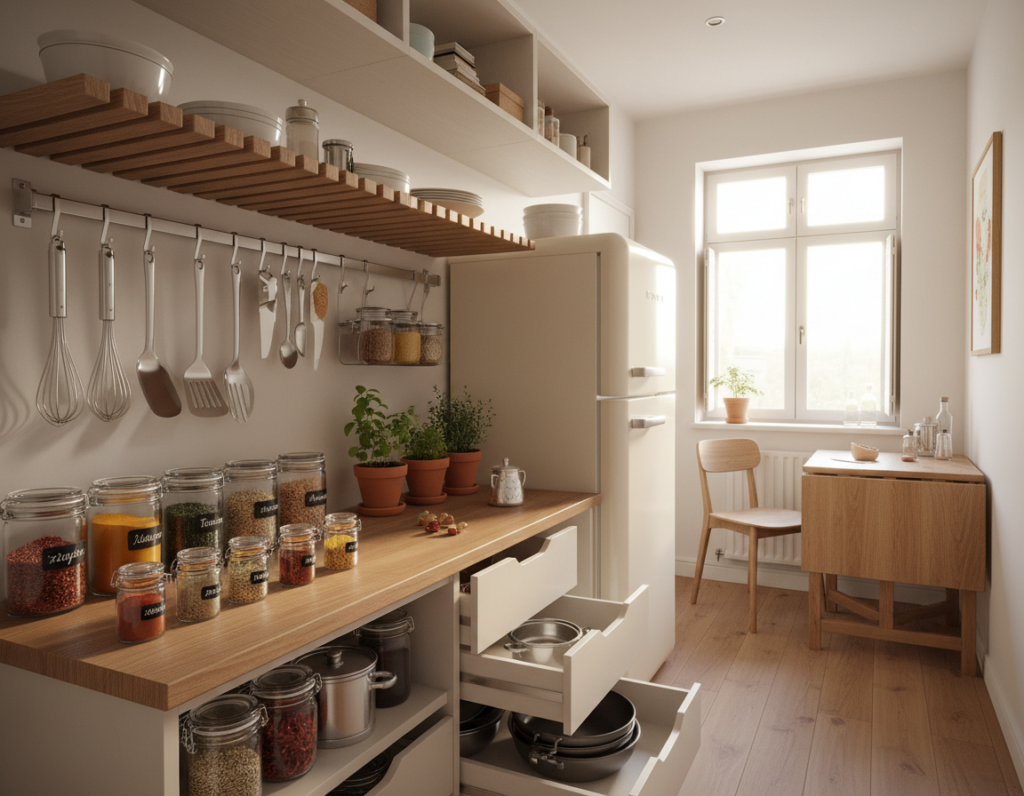
Install cabinet door organizers inside kitchen or hallway cabinets to tuck leashes, bowls, and dry goods within arm’s reach. These units keep items labeled and hidden while saving usable floor area.
“Smart wall solutions convert blank surfaces into useful stations and reduce daily clutter.”
Wall-mounted organizers and slim shelving are vital when every inch counts in apartments. They make a tidy system where each item has a home and the floor stays open for activity.
- Use narrow shelves for jars of treats and boxes of supplies.
- Choose hanging pockets on cabinet door panels to hold small tools.
- Mount hooks at varied heights so essentials are easy to grab.
Choosing Multi-Functional Furniture
Smartly chosen furniture can act as a den, a seat, and a tidy cupboard all at once. This approach keeps essentials out of sight while keeping the entry area welcoming.
Storage benches and ottomans offer hidden compartments that hold food, leashes, and grooming items. A 30-inch collapsible crate can double as a bench and a secure spot for a dog when guests arrive.
Practical benefits
- Investing in multi-functional furniture, such as a 30-inch collapsible crate, provides a den while keeping the room stylish.
- Benches and ottomans hide food and other items out of sight to maintain a clean look.
- These pieces act like discrete bins, making it simple to manage supplies without cluttering floors.
“Choosing pieces that serve two purposes is a game-changer: comfort for the companion and utility for the owner.”
By picking items that blend form and function, owners maximize use of each piece and keep everyday gear organized and accessible.
Organizing Pet Supplies in Small Apartments
A clear system that separates daily gear from occasional items makes life in a compact apartment simpler.
Keep food and treats in the kitchen so refills and mealtimes stay quick and tidy. Storing bowls and scoops near food saves steps and keeps the living area clean.
Use labeled bins to group supplies by purpose and frequency. Labels speed retrieval and stop rummaging through furniture when time is tight.
“Grouping items by how often they are used keeps daily essentials at hand and less-used goods out of the way.”
- Place daily food and treats in the kitchen.
- Store backup bags and seasonal items higher on shelves.
- Use vertical racks to gain every foot of usable space.
Containment is key. Keeping supplies boxed and labeled preserves a welcoming living space and reduces clutter in a small apartment.
Managing Pet Toys with Rotation Systems
Rotating a few favorites on a weekly schedule keeps interest high and mess low. This simple system helps keep play fresh while trimming daily clutter.
Store extra items in a single labeled bin and swap sets every seven days. Limiting choices at any one time encourages deeper play with the toys that remain available.
- Keep one active set out and one in reserve to reduce scattered pieces on the floor.
- Swap toys weekly to renew curiosity and extend each item’s life.
- Use washable toys and a tidy bin to make cleaning quick and hygienic.
- Track favorites to rotate them more often and phase out worn-out items.
This rotation approach makes living areas feel larger and more orderly. It also keeps the companion engaged without constant cleanup.
“A steady rotation keeps playtime exciting and rooms uncluttered.”
Optimizing Entryway Storage for Pet Essentials
Placing everyday gear near the door speeds departures and keeps the main living area tidy. The entryway is ideal for corralling leashes, bags, and quick-use bowls so feeding and walks start without a scramble.
Wall Hooks for Leashes
Install a row of sturdy hooks at varying heights by the door. Hooks keep leashes accessible and off the floor, which protects the finish and clears floor space.
Group items by use: one hook for daily leads, one for spare bags, and one for a grab-and-go treat pouch. This reduces time hunting for essentials before a walk.
Compact Shoe Rack Integration
A narrow shoe rack with shelves can double as a place to tuck feeding bowls and a small bin of food. Low-profile furniture keeps the area neat while keeping supplies handy near the door instead of in the kitchen.
- Use labeled bins on the lower shelf to hold food, wipes, and cleanup bags.
- Keep bowls on a middle shelf for quick access during feeding or when returning from a walk.
- Choose furniture with closed compartments to hide supplies and maintain a clean look.
“An organized entryway prevents daily items from drifting into living areas and saves valuable floor space.”
Creating a Cozy Comfort Zone
A tucked-away corner with a cushioned bed helps create a reliable retreat in tight living areas.
Place the bed away from entryways and busy walkways so the companion can rest without sudden interruptions. A low-traffic spot reduces startles and supports longer, deeper sleep.
Designating a specific corner teaches boundaries. When an animal learns the spot is theirs, they return there to relax and recharge.
Choose soft, washable bedding and a low-profile pad to fit the space. These choices make cleaning easier and keep the area inviting without dominating the room.
“A well-placed bed in a quiet corner is a simple yet effective way to improve quality of life in a compact home.”
- Create a calm nook with consistent bedding and a familiar scent.
- Keep the zone free of loud appliances and foot traffic.
- Use a washable cover and a durable mat to protect floors.
Keeping Floors Clear and Safe
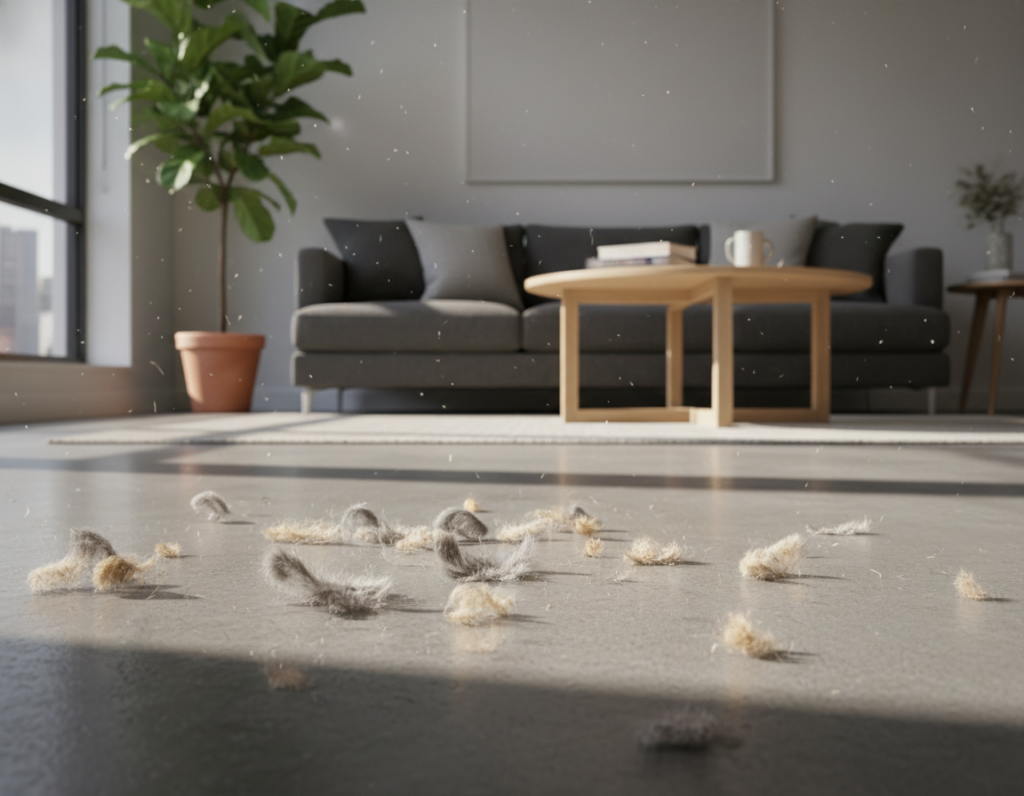
A tidy floor helps everyone move with confidence and lowers the chance of accidents. Clear walkways protect household members and make daily routines faster. This is especially important in a compact home where every inch of floor space matters.
Securing Loose Cords
Loose cords are a common hazard. They invite chewing and create trip points that can injure a dog or a person.
Simple fixes make a big difference: cable clips, cord covers, and cable sleeves keep lines snug against baseboards. Tuck power strips under furniture and use cord ties to bundle excess length.
“A short check each day for stray cables and clutter prevents most accidents.”
- Keep common pathways clear: remove chargers and cords after use.
- Anchor long cables: use clips or heavy tape to secure them to walls or trim.
- Inspect routinely: scan the floor and behind furniture for hazards.
- Create a safe zone: leave a clear area where the companion can play or rest without obstacles.
Maintaining open floor space both reduces risk and makes the home feel more organized. Regular checks keep the environment safe, even when no one is watching.
Implementing Smart Pet Storage for Small Apartments
Maximizing every square foot means choosing pieces that hide gear and pull double duty. This approach saves floor space and keeps living areas calm.
Use cabinet door organizers to tuck food, treats, and supplies out of sight. These fit behind doors and free up shelves that tend to clutter quickly.
Multi-functional furniture — benches with internal bins or ottomans with lids — stores beds and bowls while giving a place to sit. That saves valuable square feet in a compact apartment.
“Hooks and over-the-door organizers turn dead space into a tidy command center.”
- Mount hooks by the door to hold leashes, bags, and quick-use items.
- Choose closed bins that keep food sealed and out of plain sight.
- Divide zones: an entry shelf for walk gear, a cabinet area for food, and a quiet corner for the bed.
Smart solutions reduce daily searches and help each item have a home. With a little planning, every foot of usable space becomes an asset.
Handling Multi-Pet Organization
Managing supplies in a multi-animal home calls for clear labeling and simple routines. Clear labels make it easy to tell which items belong to whom. This reduces mistakes and daily friction.
Keep feeding areas separate and visible. Separate cat food from other bowls and place it on a dedicated shelf or tray. This lowers territorial conflict and helps picky eaters stay calm.
Use individual bags and bins labeled by name. Put leashes, medications, and grooming tools in dedicated containers. That way each animal’s needs are simple to find and manage.
“A routine that pairs labeled zones with consistent placement makes multi-animal life smoother.”
- Label everything: food, meds, and treats.
- Create distinct areas: one feeding spot per companion when possible.
- Keep spares in bags: grab-and-go kits speed outings and vet visits.
Frequently asked questions from pet owners often ask how to keep feeding times separate. Answering these asked questions pet owners have at setup time prevents most problems.
Storing Cleaning Supplies for Quick Access
A compact cleanup station near the entry makes spills vanish before they spread. It keeps essentials within reach and reduces cleanup time.
Use a single labeled bin to group sprays, wipes, bags, and gloves. Placing that bin behind a door or inside a kitchen cabinet hides clutter while keeping items ready for use.
Organized bins speed response to feeding messes and tracked-in dirt. One grab-and-go caddy saves steps and prevents searching during a rush.
- Keep a small supply of extra bags and wipes in the bin to handle surprises.
- Store cleaners and absorbents near the kitchen or entry to cut response time.
- Rotate and check items monthly so sprays and cloths stay effective.
“A ready kit at the door means less time cleaning and more time enjoying home life.”
Improving Air Quality in Compact Spaces
Clean air transforms a cramped living area into a healthier, calmer home. Simple filtration and brief ventilation steps remove dust and odors that build up quickly in limited space.
HEPA Air Purifier Placement
Choose a HEPA purifier rated for about 200 square feet. Placing that unit near the litter zone or central living area helps cut airborne dander and fine dust across the apartment.
Keep it elevated on a low shelf or short stand so intake is not blocked by floor rugs or low furniture.
Litter Box Ventilation
After scooping, run a ventilation fan or open a window for 10 minutes. This quick step clears lingering odors in small spaces and refreshes the air without major effort.
Using a sealed disposal system like Litter Genie also locks smells into multi-layer bags, keeping the rest of the home neutral.
Dust-Free Litter Choices
Opt for low-dust litter to protect furniture, bedding, and the floor from fine particles. Cleaner litter reduces the spread of dust near cat food areas and living zones.
- HEPA unit: rated ~200 square feet
- Ventilation: 10 minutes after scooping
- Disposal system: sealed bags to contain odors
“A targeted purifier and brief ventilation make a measurable difference in air quality.”
Maintaining Daily Habits for a Tidy Home
A two-shift, five-minute tidy in the morning and evening keeps daily chaos at bay. This short commitment targets high-traffic areas and prevents mess from growing.
A quick sweep, a wipe of bowls, and a straightening of shoes take little time but deliver big benefits. Wiping feeding areas in the kitchen each day stops food buildup and keeps surfaces sanitary.
Consistent, brief effort builds a predictable rhythm that supports routines and reduces stress. These daily routines give structure to the day and protect the living space from clutter.
- Keep a cloth and spray near the kitchen so wiping takes under a minute.
- Do a five-minute tidy in the morning to prep the day and again at night to reset the area.
- Small, repeated actions maintain food zones and save deep-cleaning time later.
“Short, steady habits are the most reliable way to preserve a calm apartment feel.”
Adjusting Storage as Pets Grow
As a companion matures, the gear that surrounds daily life should grow right along with them.
Regular reviews of shelves, hooks, and bins keep items practical and reachable. A simple check every few months shows what needs upgrading.
Often this means switching to larger bags of food, raising hook height, or adding sturdier bins to hold heavier gear. These are small changes that save time and keep routines smooth.
Staying flexible helps households adapt as needs evolve. When one thing changes, rethinking placement and size in a calm way avoids clutter and last-minute rushes.
“A short monthly check keeps life simple and prepared for the next stage.”
- Adjust sizes and heights as the companion grows.
- Replace lightweight organizers with stronger options when needed.
- Evaluate the system regularly to stay ahead of new needs.
Conclusion
A few good routines can save time and keep the whole home running smoothly.
Creating an organized area and making small, steady changes rewards daily life. It keeps rooms clean, surfaces safe, and supplies easy to reach.
This guide aimed to answer common concerns and the asked questions pet readers raise. It also covers several frequently asked questions that many pet owners have when managing gear and care.
Consistency matters. Small adjustments over weeks will make a big difference and help everyone enjoy a calmer, well-kept home.