Many pet owners see behavior changes and want clear ways to support their feline companion. Veterinarians often start by ruling out medical issues, then identify triggers through exams and history. This helps shape a practical treatment plan.
Creating a steady environment is a simple, effective way to reduce stress. Small routines, a safe retreat, and predictable interactions let a cat feel secure. Over time, these steps can prevent fear responses that lead to chronic problems.
A trusted vet or veterinarian can recommend enrichment tools and behavior strategies that match each animal’s needs. When owners combine professional guidance with daily habits, they help cat confidence and lower tension.
Practical enrichment and good veterinary support form a clear path forward. This introduction sets the stage for specific, easy-to-apply habits that improve a pet’s quality of life and help them thrive at home.
Recognizing Signs of Cat Anxiety Indoors
Noticing subtle shifts in behavior is the first step toward helping a stressed pet feel safer. Early recognition lets an owner act before problems become chronic. Watch for both physical and behavioral clues.
Physical Symptoms
Physical signs often show up quickly during a stressful event. Dilated pupils, trembling, and a faster breathing rate are common symptoms.
Moderate signs include ears held partially to the side, crouching, or leaning away from a stimulus. These indicate heightened fear and reduced comfort.
Behavioral Changes
Behavioral shifts can be subtle at first. Excessive grooming that creates bald patches, hiding more than usual, or restlessness and pacing are red flags.
When a pet urinates outside the litter box or avoids the litter entirely, it often signals significant distress or an underlying health issue. Recognizing these signs early protects long-term health and reduces the chance of secondary problems.
If uncertain about the cause, consult a reliable resource for guidance — for practical advice on stress and behavior see cat stress guidance.
Identifying Common Triggers for Feline Stress
Even small shifts at home often prompt noticeable behavior changes in a nervous pet. Significant moves, a new home, or rearranged furniture can upset their sense of safety.
Loud noises like thunderstorms or fireworks often cause intense fear and can lead to destructive actions or nonstop vocalizing.
Separation from owners accounts for a sizable share of behavior referrals. Research shows proper socialization through 14 weeks reduces lifelong fear risks.
New people or a dog in the household may trigger withdrawal or aggression until the animal feels secure again. Even moving the litter box or changing routine can create litter box problems and other behavior issues.
- Changes in environment and time of day routines
- Unexpected noises such as fireworks
- Separation and new household members
Identifying these triggers is the first step toward managing the condition and reducing stress. For clinical guidance on fear and phobia, see fear and phobia guidance.
Creating a Secure Environment for Your Pet
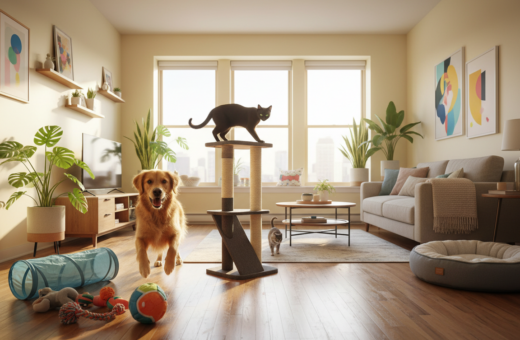
Giving pets clear, climbable territory helps them feel safe when the world changes around them. A stable setting lowers stress and reduces the chance of long-term behavioral issues. Small design choices create predictable comfort.
The Importance of Vertical Space
Providing elevated perches and shelves lets a nervous cat escape and observe from above. When an animal can see its surroundings, it gains control and confidence.
- Multiple levels: Install cat trees or wall shelves to encourage climbing and play, keeping the pet active and engaged.
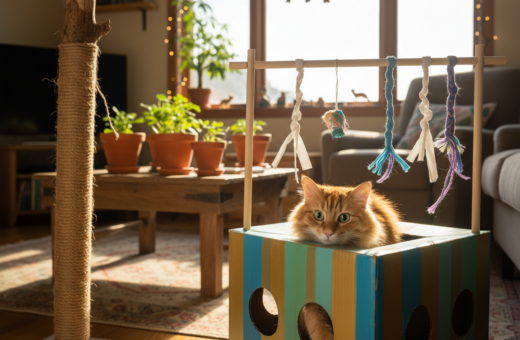
- Safe room: Set up a quiet area with a bed, toys, and a nearby litter box so the animal has a reliable retreat.
- Consistent routine: Feed and play at the same times each day to help reduce fear when changes occur.
Small hiding spots and elevated perches make a big difference. These ways of arranging space support natural behaviors and help cat owners reduce fear and stress at home.
Implementing Play Therapy to Reduce Cat Anxiety Indoors
Short, predictable playtimes give a worried animal clear signals that the home is safe.
Interactive play is a practical way to reduce stress and support better behavior. Regular sessions let a pet burn excess energy and exchange fearful focus for positive activity.
Consistency matters. Scheduling play at the same times each day adds routine and helps cats feel secure. A tired cat is often calmer and less likely to act out.
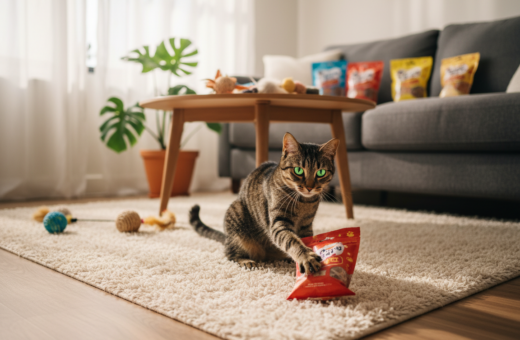
- Use feather wands, laser pointers, or toys that mimic prey to engage natural hunting instincts.
- Keep sessions short—five to ten minutes—and end on a positive note with a treat or gentle petting.
- Interactive toys provide outlets without overstimulation and require minimal equipment.
- When owners commit time, they actively help cat emotional health and reduce stress triggers at home.
Play therapy is one of the easiest, most accessible ways to help cat owners manage fear and improve wellbeing. If concerns persist, consult a vet for tailored guidance.
Utilizing Calming Aids and Natural Supplements
Using noninvasive aids helps many owners reduce acute fear tied to predictable triggers like fireworks.
Pheromone diffusers release reassuring scents that mimic a feline’s natural cues. They are effective ways to create calm in the home during loud events or sudden noises.
Pheromone Diffusers
Diffusers and sprays can help make a room feel familiar. They work well for short-term events and longer periods of stress.
Herbal Options
Natural supplements such as valerian or chamomile offer gentle support. Owners should always consult a vet before starting herbs to ensure safety and proper dosing.
- Calming collars give continuous scent-based comfort.
- Short-acting medications can help within one to three hours for predictable triggers like fireworks.
- Longer-term drugs may take weeks to alter brain chemistry and treat chronic issues.
Combine tools thoughtfully. Blending pheromones, herbal options, and, when needed, prescription medications creates a balanced treatment plan. Always check with a veterinarian to match options to the pet’s health and needs.
Applying Behavior Modification Techniques
Behavior modification gives owners clear steps to reshape fearful responses over weeks and months. These methods help address fear and reduce stress by changing how a pet experiences triggers.
Desensitization Methods
Desensitization exposes a fearful animal to a trigger at a very low intensity so it causes no fear.
For example, play recorded fireworks sounds quietly and reward calm behavior. Increase volume slowly across many sessions and watch for signs of stress.
Counterconditioning Strategies
Counterconditioning pairs a feared stimulus with something positive to change the emotional response.
- Offer a high-value treat when a dog or unfamiliar people appear.
- Repeat short, controlled meetings so the animal learns the trigger predicts rewards.
- Never force interaction; let the pet choose to approach in its own time.
Positive Reinforcement
Positive reinforcement is a practical way to teach calm behavior. Reward relaxed posture, quiet sitting, or voluntary sniffing near a trigger.
Avoid punishment. It increases fear and can lead to aggression toward others. For complex problems or if medications are needed, consult a veterinarian or a behaviorist for treatment options and safety guidance.
When to Consult a Veterinarian
Persistent or worsening signs of stress merit prompt veterinary attention. A veterinarian will perform a physical exam and blood tests to rule out health problems that can mimic behavior issues. These steps clarify whether the condition is medical, behavioral, or both.
Chronic symptoms such as excessive grooming, urinating outside the litter box, hiding in a bed, or sudden aggression toward people are clear indicators to seek help. If a pet struggles after a new home, or loud events like fireworks trigger intense reactions, professional guidance speeds recovery.
- Facilities like Dublin Veterinary Hospital offer comprehensive diagnostics and care.
- Prescription medications are one of several treatment options if behavior plans alone fall short.
- Owners should expect a minimum treatment window of four to six months and regular follow-up.
Whether you are in Tempe, AZ, or elsewhere, find a qualified vet to design a tailored plan. Monitoring progress over time ensures the best health and behavior outcomes for the animal.
Conclusion
Small, steady habits built over time can transform a nervous animal’s daily life. Addressing cat anxiety early protects long-term pet health and helps avoid deeper behavior problems.
Combine a secure home, a consistent routine, and veterinary guidance to reduce stress. Behavior modification, environmental changes, and appropriate treatment work best together under professional oversight.
Providing patient, ongoing care supports confidence and calm. With time and the right plan, cats respond well and regain balance. Prioritizing mental wellbeing alongside physical health keeps a beloved pet happy and thriving.