Rita Reimers, a certified cat behavior expert and CEO of Cat Behavior Alliance in Charlotte, North Carolina, recommends removing fragile items from open shelves to prevent accidents.
Simple changes can transform a busy living space into a safer, calmer home for pets and people. Securing tall furniture and stashing small toys reduces choking risks and accidental damage.
Managing a lot of potential hazards takes planning. When someone brings a new cat into an apartment, curiosity sends them to high surfaces. That is why many owners benefit from rearranging shelves and limiting breakables.
These small upgrades ease daily stress and protect belongings without major renovation. They keep cats safe while letting owners enjoy a tidy, functional living space in modern apartments.
Understanding the Importance of a Cat-Proof Apartment
Preventing accidents begins with a clear look at how a pet uses the space.
“Cat-proofing your home is essential to prevent avoidable household disasters.”
Observe natural behavior to design a safe environment. Owners should note where cats jump, hide, and chew. This helps reduce stress and stops costly mishaps.
When moving into new apartments, take time to assess hazards. A well-planned cat-proof home offers a dedicated area for play and rest while protecting belongings.
- Scan the environment for small hazards and unstable items.
- Set clear boundaries so pets learn which areas are off-limits.
- Spend a little time each day observing interactions to spot trouble early.
Consistent effort pays off. Proactive measures foster trust and support long-term wellbeing for cats and the people who keep home shared with them.
Essential Cat Proof Apartment Tips for Every Room
A few focused changes in each room can cut risks and calm a curious companion. This section lists practical, room-level actions owners can take to make daily life safer.
Kitchen Safety
Limit counter access while cooking and when hot appliances are running. Keeping pets off surfaces reduces burn and spill risks.
Store food and cleaners out of reach. Heavy lids and secure cabinet latches help prevent an accidental climb into dangerous areas.
Bedroom and Laundry Hazards
Joey Lusvardi warns that kittens can fall into toilet bowls, so you must make sure lids stay down. Laundry machines are another hidden danger; keep washer and dryer doors closed.
Ingrid Johnson recommends putting toys away at the end of the day to preserve interest. Designate a single place for feeding and sleeping to help a pet feel safe.
“Establishing a consistent routine is the best way to keep safety a priority.”
- Identify high-risk areas to monitor when away.
- Set a routine so safety becomes part of each day.
- Use small barriers or deterrents for problem zones.
Managing Electrical Cords and Cables
Loose wiring and trailing cables create a common hazard in busy living rooms. Securing those lines is a simple way to protect pets and preserve electronics in any home.
Mr. Handyman recommends bundling loose cords with cable wraps or tubing to stop chewing and reduce wear. High-quality cord covers withstand teeth and hide lines behind furniture or along baseboards in tight apartments.
Key cable management actions
- Bundle exposed cords with protective tubing to block chewing and reduce fire risk.
- Hide cables behind furniture or route them along baseboards to keep them out of sight.
- Use non-toxic deterrent sprays if a curious cat repeatedly targets a cord.
- Inspect wires regularly for frays; even small tears can cause shocks or sparks.
Good cable organization makes the space cleaner and safer. It also turns a tempting set of toys into an out-of-reach system that protects both devices and curious cats.
Protecting Your Furniture from Scratching
Protecting upholstered surfaces starts with giving pets better outlets for their natural instincts. Redirecting that urge reduces damage and keeps rooms looking fresh. Rita Reimers suggests adding high spaces such as cat trees so cats climb instead of clawing sofas.
Furniture Protectors
Furniture protectors are a discreet way to shield corners and arms. Many modern options use clear adhesive pads that do not spoil decor.
Install pads on vulnerable spots and replace them as they wear. This small step prevents repeated damage and delays costly repairs.
Scratch-Resistant Materials
Choose fabrics and finishes designed to resist claws. Microfiber, leather alternatives, and tightly woven textiles stand up better to daily use.
When people live in apartments, selecting scratch-resistant furniture saves time and stress over the long term.
Couch Covers
Durable couch covers add a removable barrier that is easy to wash. If a cat has already learned to target seating, a cover provides an extra layer of defense.
Train cats to use designated scratching posts placed near favorite lounging spots. Consistent maintenance and timely replacement of worn scratchers keep furniture safe.
“Providing vertical space and the right scratchers offers a humane way to protect home furnishings.”
Securing Windows and Doors Against Escapes
Preventing accidental exits starts with checking every opening in the home. A loose or damaged screen can lead to a fall or a quick escape, so early inspection matters.
Joey Lusvardi warns that screens must be in good repair. Owners should make sure all screens fit snugly and have no tears or gaps.
Perches and Shelf Placement
Because cats love to observe the outdoors, install sturdy mesh or reinforced screens on windows and balcony doors. This lets a furry friend enjoy the view without risking a slip through damaged fabric.
- Check screens weekly and replace weak frames promptly.
- Install a barrier on any balcony door to allow airflow while keeping cats safe.
- Confirm door seals are tight; determined animals squeeze through small gaps.
Reinforced screens on windows and doors are a simple, proactive way to keep cats secure. By securing every exit, owners protect their pets and gain peace of mind when they leave the home.
Creating Safe Vertical Spaces for Climbing
Smart use of wall-mounted perches turns unused wall area into valuable play and rest zones.
Mr. Handyman recommends installing wall shelves to give cat owners vertical territory in a small apartment. These additions create a clear climbing route and reduce pressure on sofas and other furniture.
Adding a window perch gives a favorite lookout where a feline friend can nap and watch outside activity. This one change often calms restless behavior and cuts attempts to scale fragile items.
Installing Wall Shelves and Perches
Choose sturdy shelves and anchor them securely to studs. Place them so a cat can jump from one level to the next without long gaps.
- Use a mix of wide and narrow shelves to provide rest and run paths.
- Position a shelf near a window for sun and visual stimulation.
- Spread perches across rooms to make vertical space usable throughout the home.
Well-designed vertical areas encourage exercise and protect furniture by offering a safe, engaging alternative. A layered setup keeps pets active and owners worry-free.
“Vertical territory helps reduce stress and destructive behavior.”
Handling Toxic Plants and Household Chemicals
A single misplaced plant or open bottle can turn a calm home into a medical emergency. Owners should scan surfaces and storage areas to remove danger quickly.
The ASPCA Animal Poison Control Center maintains a list of toxic plants to avoid. Ingrid Johnson warns that lilies are extremely toxic and can be fatal if a cat ingests any part.
Choosing the Right Location
Place all cleaners, medications, and small objects in locked or high cabinets. Many common items like ibuprofen and household cleaners harm pets and must be out of reach.
- Check the ASPCA list before bringing new plants into the home.
- Keep human food and small toys where animals cannot access them.
- If ingestion is suspected, contact a veterinarian immediately to protect life and health.
Replace popular but hazardous greenery with verified safe plants. Taking these steps reduces emergencies and helps keep both people and their cats safe.
Managing Litter Box Placement and Hygiene
The right spot for a litter box encourages consistent use and better hygiene. Placing the box carefully helps maintain health and reduces accidents around the home.
Choosing the Right Location
Place the litter box in a quiet, low-traffic area so the animal has privacy while using the space. Avoid spots near loud appliances, busy doorways, or feeding stations.
Keep litter boxes separate from food and water to respect natural instincts. Providing fresh water and high-quality food nearby is helpful, but the litter area should remain distinct.
Clean the litter daily and change litter completely on a regular schedule. Cats are fastidious; a dirty box can lead to avoidance and health issues.
- Use one litter box per cat, plus one extra to prevent conflicts.
- Choose high-quality litter to control odors and improve acceptance.
- Monitor behavior; stress can signal a need to relocate the box or change litter type.
Small changes in placement and hygiene also help long-term health. Wellness® Lickable Treats can also help support digestive health and a healthy skin and coat, complementing proper litter management.
Reducing Fur Accumulation in Shared Spaces
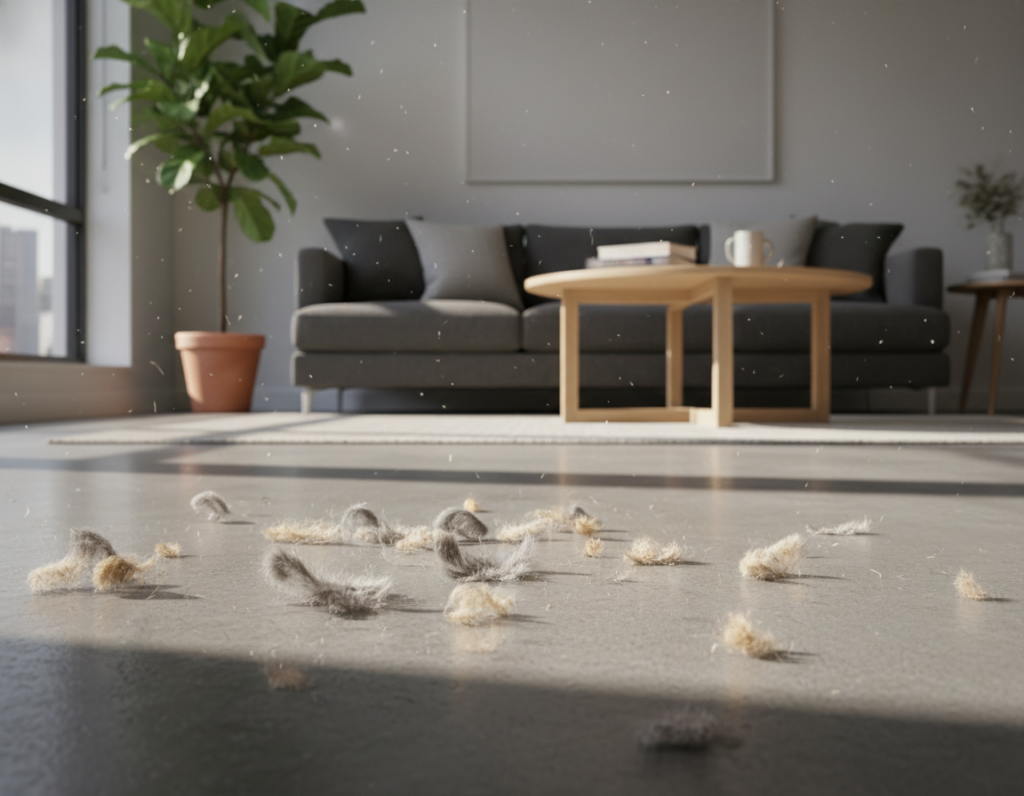
A steady grooming and cleaning routine keeps loose fur from overtaking shared living areas.
Daily grooming removes loose hair at the source. Brushing a cat two to three times a week cuts shedding dramatically and helps prevent fur from settling on furniture and cords.
Vacuuming frequently is essential. Use a vacuum with strong suction and a HEPA filter to capture dander and fine hair.
- Vacuum all shared areas at least twice a week; increase frequency for multi-cat homes.
- Wash furniture covers often to protect upholstery and make cleaning easier.
- Keep the litter box area clean to reduce tracked litter and stray fur across the space.
Adding an air purifier with HEPA filtration helps trap airborne dander and improves overall air quality. When owners keep favorite lounging spots tidy, cats are more likely to stay in those areas instead of on beds or sofas.
Consistent maintenance makes the home feel fresher and keeps both people and pets comfortable. Small daily steps add up to a cleaner, calmer space for everyone.
Providing Environmental Enrichment to Prevent Boredom
A lively environment offers outlets that keep animals engaged and out of trouble. Enrichment reduces boredom and lowers the chance they will target cords, plants, or furniture.
Interactive Toys
Interactive toys give pets a structured way to play and burn energy. Puzzle feeders turn mealtimes into a challenge and encourage natural hunting behavior.
Rotate toys weekly to keep interest high. Using Wellness® wet food during play or offering Wellness® Lickable Treats builds trust and adds variety to feeding routines.
Safe Chewing Alternatives
Safe chews satisfy nibbling instincts without risking household items. Silvervine sticks and cat grass are recommended options that are non-toxic and engaging.
Place chews in visible areas and near vertical spaces or a sunny window so animals choose those over hazardous plants or loose cords.
- Provide puzzle feeders to mix mental work with food rewards.
- Offer silvervine sticks or cat grass as approved chewing substitutes.
- Keep a rotation of toys and perches to maintain motivation and health.
- Remove toxic plants and secure loose cords so enrichment remains safe.
“A varied environment keeps behavior constructive and preserves home furnishings.”
Conclusion
Simple, consistent actions over time make a measurable difference in safety and comfort.
Creating a cat-proof home is rewarding. Securing cords, windows, and doors helps keep a furry friend safe in small apartments. Owners should make sure furniture has protection and a dedicated place for scratching and play.
Manage the litter box and clean regularly to support health and peace of mind. With steady effort, the living space stays stylish and functional.
When a project feels big, professionals like Mr. Handyman offer proven help. A well-prepared apartment is the best foundation for a long, happy life with a beloved pet.