Healthy routines make a big difference for a feline’s long-term wellness. Owners in the United States can reduce obesity risks and improve behavior by offering regular chances to play and move.
The species is crepuscular, so they are most lively at dawn and dusk. Short, consistent play sessions mirror that natural rhythm and provide essential mental stimulation.
Regular exercise helps maintain a healthy weight and keeps pets agile across their lifespan. Consistent engagement prevents boredom and many common behavior problems.
Practical layouts give a companion predictable ways to burn energy without relying on long free-roaming time. Intentional design from owners ensures every animal receives daily activity, whatever the home size.
1. Morning and evening play aligns with natural activity peaks.
2. Structured, short sessions support weight control and mental health.
Understanding the Importance of Daily Movement
Most felines show bursts of energy at low-light hours, so scheduling short sessions around those windows helps make each effort count. Regular activity supports weight control, reduces boredom, and delivers crucial mental stimulation and enrichment.
Crepuscular Activity Patterns
Their natural rhythm favors dawn and dusk. Aligning play with these peaks increases engagement and makes exercise more effective.
Recognizing Play Signals
Owners should watch body language closely. If a cat pants or breathes heavily, that is a clear cue to pause. If it walks away, it is not interested in play right now.
- Schedule short sessions of about 10–15 minutes to match endurance levels.
- Older cats usually benefit from two to three sessions per day; kittens may need up to ten short bursts.
- Consistent interactive play is one of the best tips for long-term behavioral health.
“Short, regular playtime gives pets the physical and mental stimulation they need each day.”
Optimizing Your Indoor Cat Movement Setup
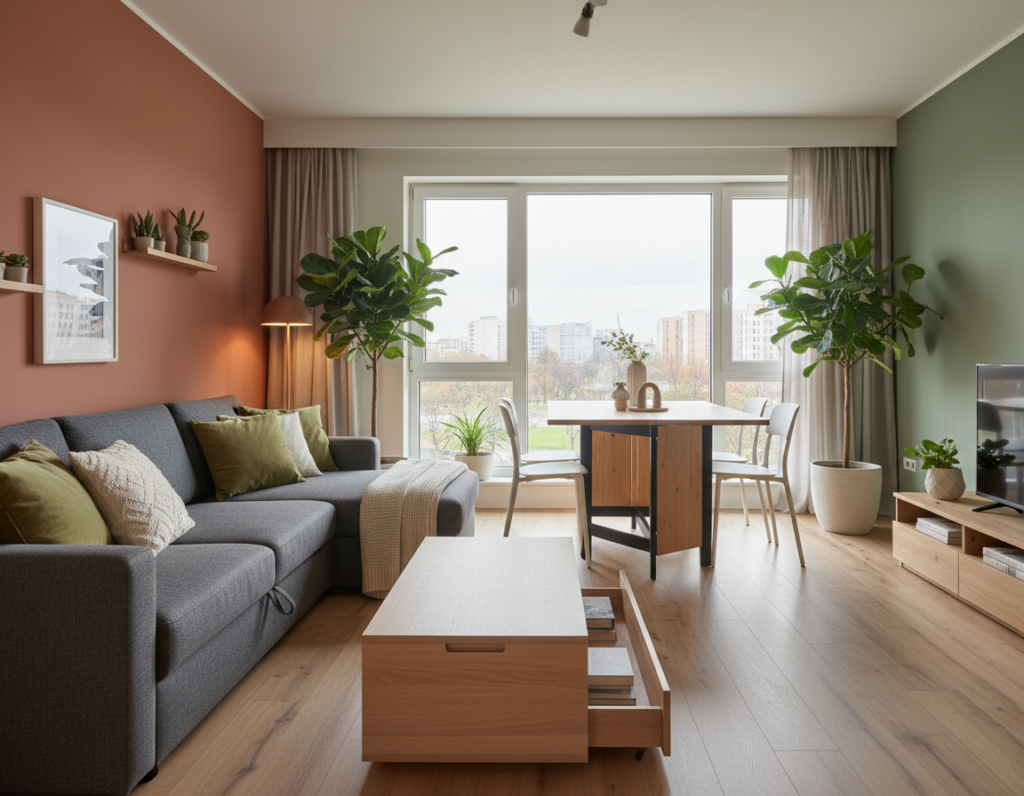
Apartment living often feels tight for natural explorers. Simple changes make a big difference in how a pet uses available space.
Start by mapping usable zones. Measure floor and vertical space, then assign areas for play, rest, and feeding. Placing food in a second room nudges cats to travel more during the day.
- Use a large cardboard box or a bathtub as a makeshift “Kitty Coliseum” for agility drills.
- Shift chairs and shelves to create safe pathways and jumping platforms.
- Rotate toys and hide treats to keep exploration fresh and rewarding.
Every pet deserves a layout that supports instincts. Even small homes can become active environments with thoughtful placement and steady routines.
“Strategic design turns tight space into meaningful exercise opportunities.”
Utilizing Vertical Space for Climbing
Using height in a home adds fresh play opportunities without needing more floor area. Vertical elements let pets jump, hide, and rest at safer vantage points.
Installing Cat Trees
Cat trees create essential vertical territory. A well-placed tower encourages climbing, scratching, and short bursts of exercise.
Many models include integrated scratching posts to support healthy claws and focused activity. Place a cat tree near a window so a pet can watch the world outside while staying secure.
Wall-Mounted Climbing Havens
Wall routes save floor space and work well in smaller rooms. Shelves, ramps, and platforms form a safe climbing circuit.
- Install staggered shelves to encourage jumping and exploration.
- Add sisal posts to protect furniture and support scratching habits.
- Even a simple cardboard box on a high shelf becomes a valued perch.
“High perches satisfy natural instincts and reduce stress.”
Incorporating Interactive Food Puzzles
Interactive feeding tools turn mealtime into a short, rewarding challenge that engages instinct. These puzzles offer mental enrichment while slowing eating and encouraging natural hunting behaviors.
Petstages food puzzles are highly effective for keeping a cat’s mind sharp. Using one lets owners dole out dry food slowly, which keeps a pet engaged and prevents rapid eating.
Rotational Feeding Strategies
Rotational feeding means switching proteins, brands, and textures. This approach helps prevent picky eating and can reduce the risk of food sensitivities.
- Stimulate hunting instincts: Puzzle toys turn kibble into a game and support hunting skills.
- Slow feeding: Petstages-style devices reduce gulping and promote steady intake.
- Variety matters: Rotate proteins and textures to keep meals interesting and balanced.
- Hide treats: Scatter small treats around the home to encourage scent tracking and exploration.
- Mix puzzle types: Offer multiple toy designs so cats receive consistent enrichment while working for food.
“Feeding as enrichment supports mental health by mimicking the challenge of hunting.”
Engaging Felines with Wand and Teaser Toys
A quick wand session simulates hunting and taps into a pet’s chase instincts. Short bursts of guided play encourage jumping, pouncing, and focused attention. That motion mirrors birds or small rodents and keeps energy levels healthy.
The SmartyKat Hidden Hijinks Concealed Motion Teaser Wand delivers high-energy, automated action that can entertain for long stretches. Owners should pair electronic sessions with hands-on interaction to reinforce rewards and the satisfaction of a real catch.
- Wand toys let owners mimic prey and teach stalking and pouncing behaviors.
- Store feather teasers and fishing-pole toys out of reach when not supervising to prevent accidents.
- Using a wand to lead jumping routes over furniture creates a playful course that boosts agility.
- Dedicated interactive play time strengthens the bond between owners and their pets.
- End sessions by allowing the animal to capture or play with a small toy so it feels successful.
“The ultimate goal of a teaser toy is to let the animal feel the satisfaction of a successful catch.”
Creating a Stimulating Window Environment
A sunlit sill can become a daily stage where wildlife provides endless fascination. A safe viewing spot gives reliable mental stimulation without extra gear. It suits owners who need simple ways to enrich a pet’s day.
Wildlife Watching Stations
Placing a small perch near a window turns outside activity into a natural show. Bird and squirrel feeders within sight offer real-time entertainment that can last for hours.
- Provides mental engagement: Watching the outside world offers steady stimulation for indoor cats.
- Leave enough space on the sill so the cat can sit or lie comfortably.
- Check local rules: Verify community laws about wildlife attractants before adding feeders.
- Secure perch: Anchor a cushioned ledge so cats feel safe while observing.
“A well-placed window view keeps pets engaged and reduces boredom during the day.”
Implementing Safe Outdoor Adventures
Taking a pet outside safely gives them new sights and scents without exposing wildlife to risk. Controlled outings and enclosed patios let owners add enrichment while protecting birds and mammals.
Harness Training Basics
Start harness training indoors. Let the animal wear the harness for short, calm sessions so it learns to relax.
Practice leash walks in quiet areas. Reward steady behavior with treats and praise.
- Fit first: Ensure the harness fits snugly but comfortably.
- Build trust: Gradually increase time outside once the animal is calm.
- Always ID: Microchipped and wearing an identification tag before walks adds a safety net.
Building a Secure Catio
A catio provides a safe, enclosed outdoor environment for exploration. It ranges from a balcony enclosure to a freestanding structure.
- Choose sturdy mesh and secure latches.
- Add perches, shade, and climbable elements for stimulation.
- Remember the stakes: free-roaming cats kill an estimated 1.3–4.0 billion birds and 6.3–22.3 billion mammals annually in the USA.
“Enclosed outdoor spaces let pets enjoy nature without the harms of free-roaming.”
Training Your Cat for Mental Stimulation
Training sessions transform ordinary moments at home into opportunities for enrichment and bonding. Teaching simple tricks like sit, stay, or a high-five provides clear mental stimulation and strengthens the owner–pet relationship.
Use positive reinforcement with small treats or tiny bits of food so lessons stay rewarding. Short lessons of five to ten minutes work best; they keep focus high and avoid fatigue.
To mimic natural hunting, hide treats around the home. This encourages scent work and exploration without extra gear. Rotating locations keeps the challenge fresh and mentally engaging.
- Simple tricks: Sit, stay, and high-five are useful starter behaviors.
- Positive reinforcement: Reward success immediately with treats or praise.
- Simulated hunting: Hide treats to promote foraging and scent use.
- Learn more: Resources like Cat School offer step-by-step videos and guides.
“Consistent, short training sessions prevent boredom and give pets a clear routine.”
Introducing Exercise Wheels for Cardio
A running wheel offers a predictable, low-impact way for high-energy pets to get daily cardio.
The PawHut Cat Exercise Wheel is a popular option that creates a steady outlet for sprinting instincts. It works well when floor space is limited and traditional play routes are constrained.
Some felines need time to accept a large wheel. Owners should use short training sessions and tasty treats to spark curiosity and reward progress.
Supervision is important at first. Watching initial runs ensures the pet stays confident and helps prevent mishaps.
- Benefit: Provides reliable cardio for an active indoor cat and supports weight control.
- Acclimation: Gentle training with treats speeds acceptance.
- Space-smart: A wheel fits where long chases are impossible.
- Safety: Supervise early sessions until the feline friend is steady.
“Every feline deserves chances to burn excess energy; a wheel gives a consistent, safe way to do that.”
Leveraging Catnip and Sensory Play
Scent-based play often sparks fast, joyful reactions and can turn dull afternoons into active minutes.
Catnip works well to boost interest in favorite toys and to encourage short, energetic sessions. Catnip-infused bubbles add a playful twist; many pets chase and pop them, creating quick bursts of exercise.
Growing small pots of wheatgrass supplies a safe, edible green that satisfies a nibbling instinct. It also serves as a low-effort form of enrichment that owners can refresh weekly.
- Use variety: Rotate catnip kickers and other toys so interest stays high.
- Try bubbles: Catnip-infused bubbles create movement and sound to entice chasing.
- Provide greens: Wheatgrass offers a natural focus for sniffing and nibbling.
“Simple sensory changes keep environments engaging and support daily activity.”
Managing Play Sessions and Safety
A few simple safety steps make play both fun and risk-free for everyone at home.
Supervision and careful toy management lower the chance of choking, ingestion, or costly emergencies. Owners should plan short, supervised sessions and tidy toys when time ends each day.
Avoiding String Ingestion Hazards
String and small parts pose real danger: swallowing threads or tiny pieces can cause severe obstructions that need emergency surgery.
One owner reported that their pet needed surgery to remove nearly 40 items after accessing unsupervised toys. That extreme case underlines why vigilance matters.
- Always supervise interactive play to prevent wand toys or loose strings from becoming choking hazards.
- Store all wand toys and stringed items securely at the end of each day so they are not available unsupervised.
- End sessions by allowing a safe catch so the animal feels successful and less likely to forage for toy parts later.
- Choose toys without detachable small parts when unsupervised time is expected.
“By being vigilant about the toys provided, owners can protect their pet from unnecessary medical emergencies and keep them healthy.”
For more guidance on safe, rewarding routines that support daily activity and enrichment, see resources on keeping your cat exercised and mentally.
Conclusion
Small, consistent changes at home can yield big gains in a pet’s daily life. By combining cat trees, food puzzles, and varied toys, owners give their feline friend reliable outlets for play and focus.
Regular exercise, window watching, and rotational feeding are simple tips that improve mood and reduce problem behaviors. Many people report brighter energy and calmer habits after applying these ways.
Choose safe, sturdy trees and quality puzzle feeders. Keep sessions short and rewarding so the friend learns to enjoy playtime every day.